



After an eight-year wait, the historic third Michelin star that chef and co-owner Val Cantú and his team at San Francisco's Californios craved is theirs. It's a first for any Mexican restaurant worldwide. So it's understandable he and his 40-person staff have more swagger.
"It’s been just really rewarding to see the team kind of like, carry a little bit more confidence in their step,” Cantú told The Associated Press. "Maybe I’ve got some new confidence too.”
The feat caps a trajectory that began with Cantu getting his first star right out of the gate when Californios opened in 2015. He got a second one in 2018. At a June ceremony in San Diego, Cantú, with his wife Carolyn by his side, received his third star and a crisp white Michelin chef's jacket.
The accolade feels like validation not just for Californios but for the notion that Mexican food in Mexico and across the diaspora can be an elevated experience.
Similar to fine dining Chinese restaurants just a few miles away from Californios, Mexican American restaurants have dealt with criticism for daring to charge more and offering tasting menus.
Meanwhile, few bat an eye at French and Japanese restaurants with similar prices.
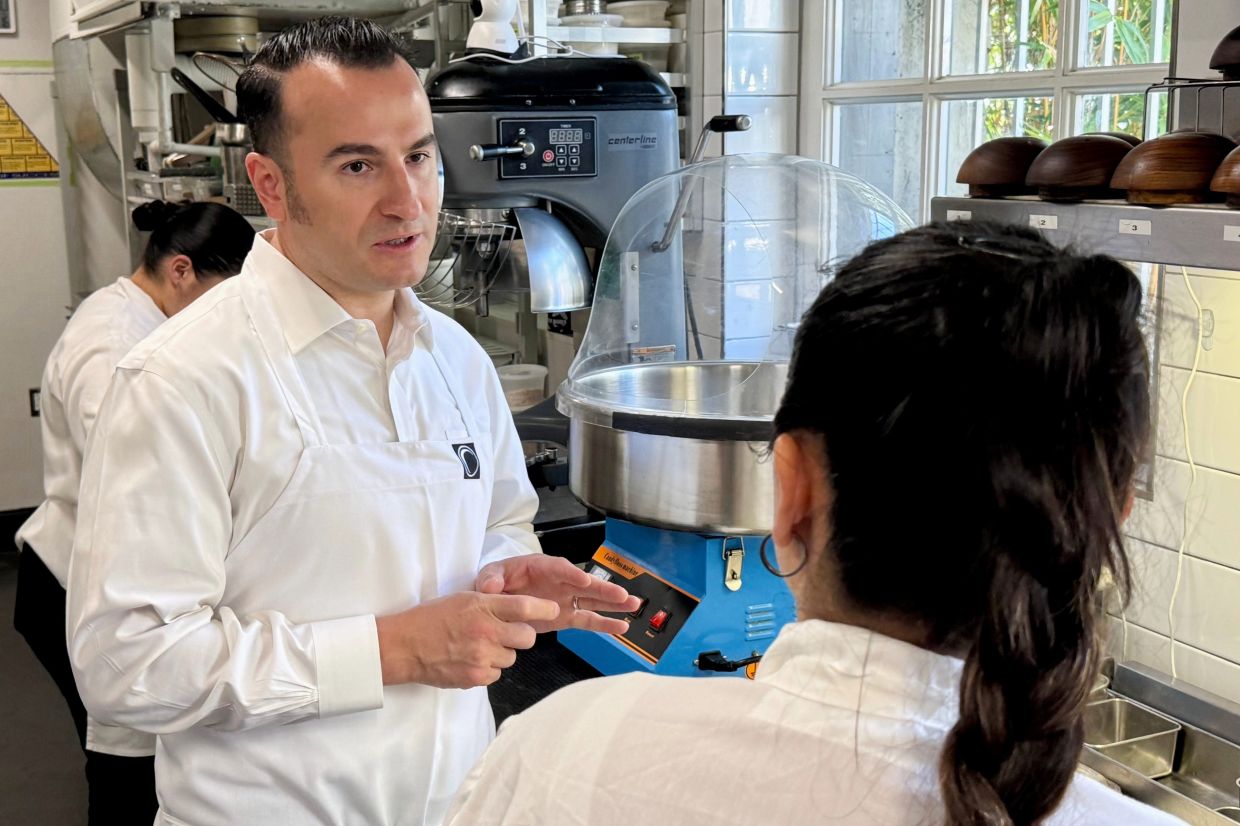
The Michelin Guide, started in 1889 by French brothers Andre and Edouard Michelin, created a star-ranking system in the 1920s. Today, the guide has ratings for over 40,000 restaurants.
To evaluate a restaurant, Michelin sends undercover inspectors posing as regular diners. They said Californios ascended the ranks because it has never been "afraid to cross borders” on the plate, according to Michelin’s website.
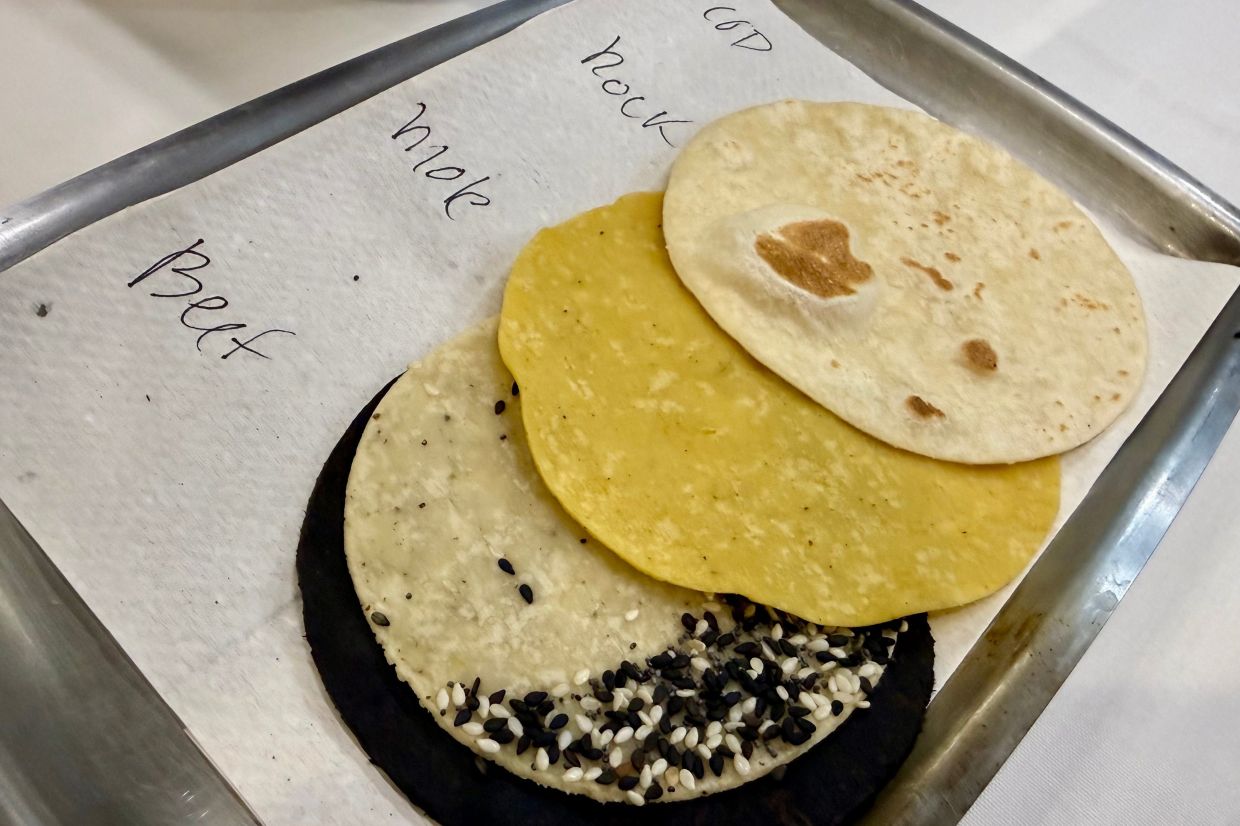
From the first bite, Californios patrons experience the Texas-born Cantú's blend of Mexican culture with California ingredients. He starts a meal with a sope, a small hand-formed masa cake made with white corn and beans from a farm in nearby Santa Rosa. Then, with a spatula, caviar made in partnership with a Sacramento sturgeon farm is carefully placed on top.
"It’s just really, really delicious and kind of feels like a warm hug,” Cantú said. "It feels comforting.”
Michelin inspectors agreed.
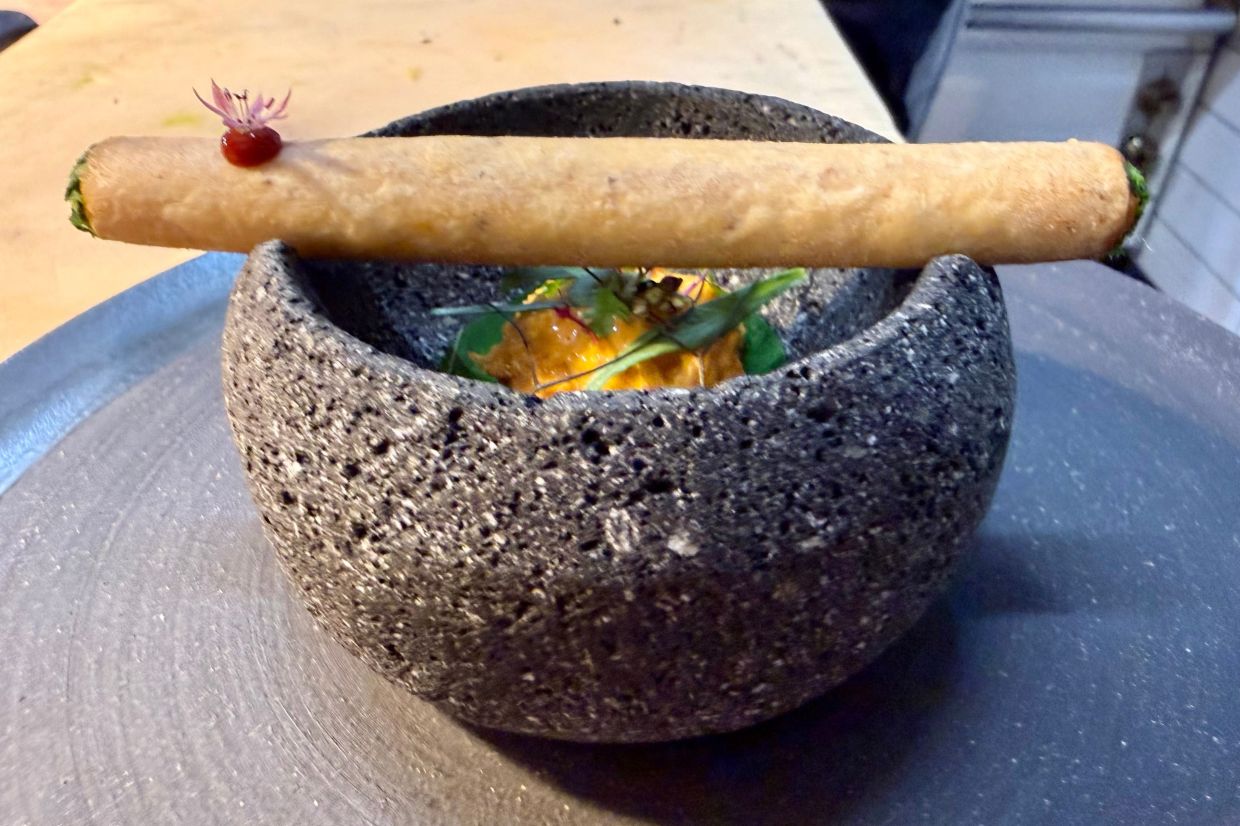
Californios deserved a three-star promotion, one of five anonymous inspectors said, for dishes consistently "executed with such precision, refinement and clarity without losing the Mexican identity - things like kombu or the matsukasa yaki fish taco.”
Sometimes Cantú and his team would try to guess if a diner could be an inspector. That turned out to be a good reminder that "every guest gets the same quality of presentation and hospitality,” the chef said.
Growing up, Cantú watched his father and uncle in Texas run a Mexican restaurant and tortilleria. As a chef working at high-end establishments in Austin and San Francisco, he found himself asking, "Why is no one doing Mexican cuisine and treating it with like extreme care?”
Inspired by the Bay Area, he settled on the name Californios. It's a nod to descendants of Spanish and Mexican settlers who settled in the 1700s and 1800s in what would become California.
Californios started with a US$57 four-course tasting menu. The pushback was immediate.
"There was ton of like, ‘This is not Mexican cuisine,’” Cantú said. "Even from our families, you know, trying to explain a contemporary cuisine to a lot of people is totally foreign because people kind of think that cuisine exists in a cookbook and that it doesn’t change.”
Californios is at the forefront of what some call "alta California” cuisine, where the children of Mexican immigrants or immigrants themselves use classical chef training with Mexican flavours.
The term refers to the former Spanish province north of Baja California; Arellano describes it as an "ideology” that originated in California and has spread across the U.S.
Raised flavour profiles and prices ultimately raise skepticism. Arellano argues people think this way partly because they're trying to keep Mexican food in a box.
"There's always going to be a knee-jerk reaction,” Arellano said. "It goes to this myth that Mexican food should be cheap because Mexicans, all of us are supposedly working class that cannot afford higher-end stuff. That's classist.”
Cantú plans to keep bringing attention to his Mexican-California brand of fine dining. A cookbook is in the works.
"Mexican cuisine is one of the most diverse and complex cuisines in the world,” Cantú said, "and there’s countless Mexican immigrants in the United States and Latin immigrants who have their own ideas and concepts of what things can be.” – AP
