
Zucchini's pros – its neutral flavour, high water content and ubiquity — are also its cons.
That neutral flavor could be boring, or it could be a thrilling blank canvas for sauces, toppings and whims.
Its moisture can make for some soft, soggy zucchini, or it could add juiciness and tenderness.
And that it’s everywhere, growing like weeds in fields and heaped at grocery stores, can be overwhelming or an opportunity.
Let’s choose to bring out its best, every time. Here are seven ways to make this year’s crop of zucchini better than last year’s.
Avoid any chance of mushy zucchini by not cooking it at all. Raw zucchini is crisp, juicy and snappy, but still sturdy.
Cut the zucchini into cubes, half-moons, long batons, thin ribbons, or smash it into chunks, and then add it to salads or snack on it on its own.
Think of it as a firmer cucumber. And, just as it does to cucumbers, a pinch of salt will mute any bitterness and bring out sweetness.
On the other end of the spectrum, lean into zucchini’s mushy potential and cook it way past the point it can be recognised.
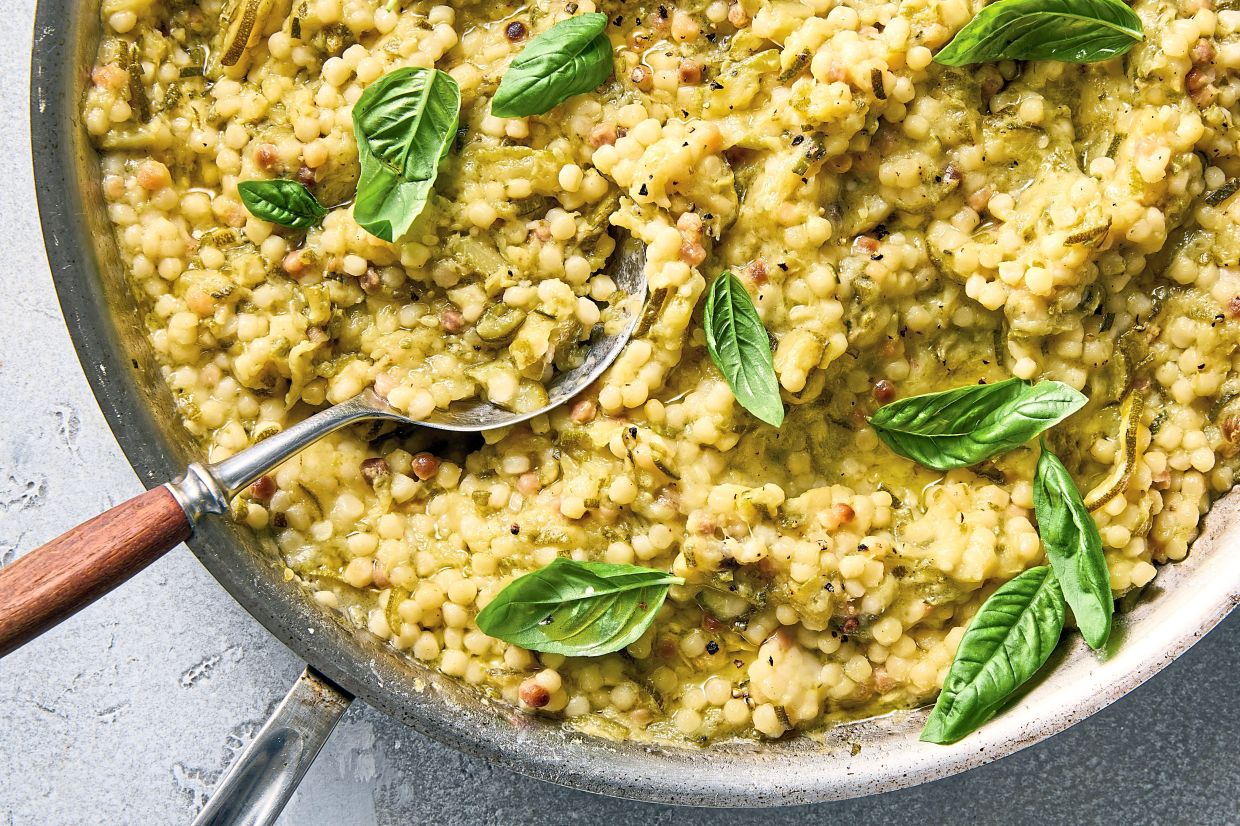
As the zucchini melds with the oil and flavourings, like garlic or basil, its sweetness concentrates, and it melts into a jammy sauce that can coat pasta or beans, or be swiped onto toasted bread.
Zucchini’s moisture adds tenderness to everything it touches. Grated or cut into small pieces, it can slip into batters for okonomiyaki, pajeon and more — just as potato can, while contributing a greener, lighter flavor.
It can do the same for baked goods, too, including muffins and loaf cakes.
Even something as simple as how you cut zucchini can serve as an upgrade. Try slicing it in half, from tip to tip.
When the zucchini is cut into such big pieces, you can cook it over high heat and maintain its structure while also getting enough contact with the heat so that the inside becomes soft (but not mushy).
Plus, those long planks are like a runway for sauces and flavorings. Slather it with miso, seasoned butters, cheese and more.
Whether you’re making meatballs, dumplings or burgers, a little zucchini will do some good.
As it cooks, its moisture turns to steam and keeps any meat from drying out, promising a juicier result without imparting unwanted flavor. (This is especially helpful for lean meats like ground turkey.)
The saying “what grows together, goes together” could be tomato and zucchini’s tagline. They hit their peaks around the same time and naturally complement each other.
Whereas fresh summer tomatoes are bold, tangy, sweet and acidic, zucchini is more subdued, happy to support tomato’s star. And tomatoes relinquish their juices willingly so zucchini can happily soak them up.
Zucchini has so much water that it almost can’t help itself. Contrast its natural essence with something crunchy, like nuts or seeds.
It will make that softness feel intentional and welcome, even if it isn’t. – © 2026 The New York Times Company
Serves 4
In this vegetarian rendition of classic salt and pepper shrimp, zucchini is pan fried with a coating of panko, giving it a golden brown exterior and tender interior.
Zucchini’s mild nature makes a perfect backdrop for big salt and pepper flavour, the spiciness of jalapeño, and the sweetness of sautéed onion.
Though the seasoning is packed with salt and pepper, granulated sugar is what brings balance to the dish.
This recipe does ask for a bit of time and effort, as frying is laboUr intensive by nature.
However, it makes an impressive vegetarian main dish or appetizer at a summer cookout and can upgrade your “Meatless Monday.” If desired, prepare the zucchini a day ahead by freezing it after breading.
Place the pieces in a single layer on a parchment lined sheet tray, freeze until completely solid (about three hours), and then fry them — without thawing — when ready.
Fried zucchini is best when eaten hot, so prepare any sides you may be serving ahead of time. This dish pairs well with cooked rice (sushi rice would be particularly nice) or a big, leafy salad.
- 1 kg zucchini
- 1 tbsp garlic powder
- 1/2 tbsp granulated sugar
- Salt
- Freshly ground black pepper (fine to medium grind)
- 2 large eggs, beaten
- 2 cups panko breadcrumbs
- Vegetable oil, for frying
- 1 small white onion, sliced (about 1 cup)
- 1 small jalapeño, thinly sliced
- Cooked rice, for serving
Cut the stem ends off the zucchini, then cut off the round bottoms. Cut the zucchini crosswise into thirds, then stand the pieces up and cut into 1/4-inch-thick planks. Set the slices aside.
Mix the garlic powder, sugar and 1 tablespoon each of salt and pepper together in a small bowl. Transfer half of the spice mixture to a large bowl for tossing with the zucchini. Set both bowls aside.
Make a dredging station by filling a shallow bowl with the beaten eggs, a medium bowl with panko and lining two sheet trays with paper towels. Dip a piece of zucchini in the eggs then coat completely in panko; apply a bit of pressure with your hand to help pack on the panko. Place the breaded piece on one sheet tray. Repeat until all the zucchini is breaded. (It’s OK if the zucchini slices overlap.)
Heat 1cm of oil in a medium frying pan over medium high until the oil is about 160C (the oil is ready when it begins to shimmer and a piece of panko bubbles immediately when dropped into the pan). In batches, fry the zucchini until golden brown, two to three minutes, flipping halfway through. Transfer the cooked pieces to the second sheet tray to drain. Repeat until all the zucchini has been fried. If necessary, use a small mesh strainer to lift out stray breadcrumbs in between batches so that they don’t burn.
Pour the spent oil into a heatproof container to discard later, then wipe the pan out with a paper towel. Add 1 tablespoon of oil to the pan, then cook the onion and jalapeño together over medium high heat, stirring occasionally, until the vegetables are slightly softened, about three minutes.
In two batches, toss the zucchini in the larger seasoning bowl and coat evenly. Transfer each piece to a serving platter, top with the cooked onion and jalapeño and sprinkle a few pinches of the reserved seasoning. Serve immediately with rice. — By Kia Damon