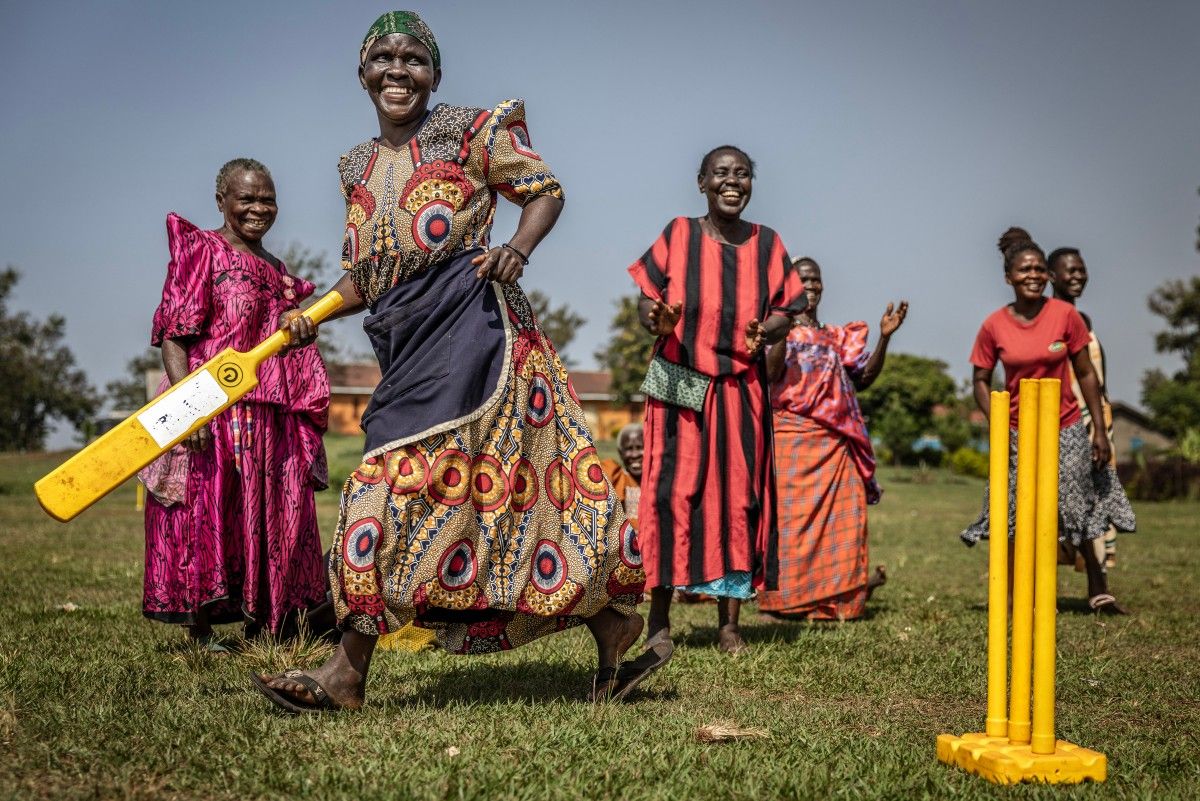
Giggles and songs ripple across a field in rural eastern Uganda where elderly women swing cricket bats as a way to reshape what ageing, health and sports can look like in later life.
The so-called "cricket grannies" are bound together by a growing love of a game they initially knew nothing about but is now helping them manage age-related health conditions, stress and loneliness.
Clad in floor-length dresses and mostly barefoot, the women, aged 50 to 90, gather weekly at a playground in Jinja district, about 80 kilometres (50 miles) from the capital, Kampala.
Each swing draws cheers from teammates as the women turn Saturday morning practice into a lively spectacle.
"With the exercises I've been doing, my legs used to hurt, but they no longer do," Jennifer Waibi Nanyonga, 72, told AFP.
"I spent the whole of last year without seeing a doctor for my back, yet it had previously been paining me," added the grandmother of 29.
The initiative began in 2025 with just 10 grandmothers in the remote village of Kivubuka and has since grown more than tenfold.
The programme was initially aimed at children, but when cricket coach Aaron Kusasira realised their caregivers had little knowledge of the game and often kept them from joining, he decided to involve the elderly women, too.
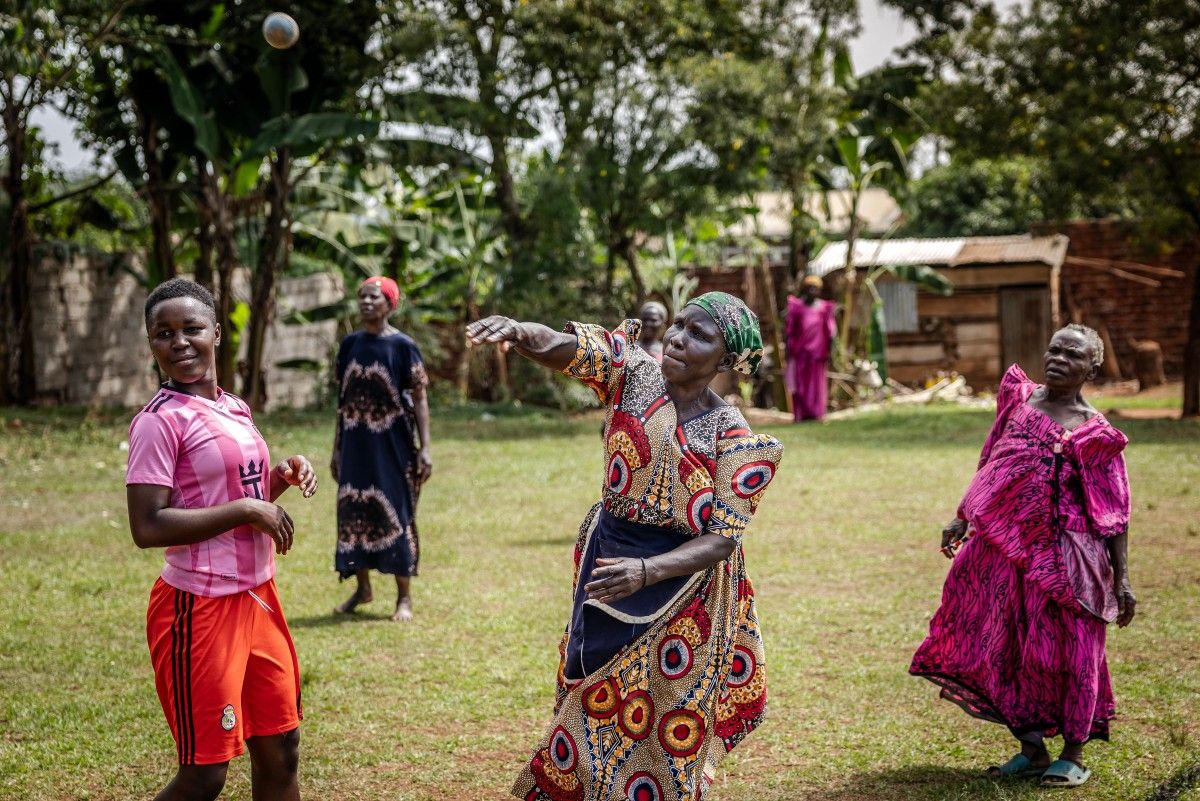
"We come here, we jog, we move around, we do some stretches," Kusasira, 26, said.
They "unknowingly have to run because they have to compete," he added.
Physical inactivity is a leading risk factor for deaths from noncommunicable diseases and, according the World Health Organization, it is more common among women globally.
International health data estimates that sedentary lifestyles are costing public health systems roughly US$27bil (RM106.36bil) per year, and will continue to rise if activity levels are not improved.
Fresh start
Beyond physical activity, cricket has also fostered a sense of community among the Ugandan grannies.
"When at home, you have no company and spend your time buried in your thoughts," said an elderly woman who only gave her first name, Patriciah.
For others, the weekly meetings have proved cathartic.
"When I arrive here and see my friends, we get together and talk about our problems, we counsel each other," said Jennifer Waibi Nanyonga.
"By the time we return home, everyone is lighter and with a fresh start," she added.
For coach Kusasira, training the women has been a win-win, giving him the opportunity to coach children in the area without opposition.
"From the kids to the elders, provided I see the smiles... it's enough. I know that is a day well spent," he said. – By Mary Kulundu/AFP