

A stone's throw from Kibera, Kenya’s largest informal settlement, a young woman glides down a spotlit catwalk, her delicate white dress at odds with the fake blood splattered across it and the tape covering her lips reading: “Stop, silence, genderbased violence.”
The annual “Mr and Ms Kibera” pageant in Nairobi, gleefully attended by hundreds, is about more than just the contestants’ looks – it provides a much-needed platform for expression and protest.
For many of those taking part, the cool evening was a chance to voice support for youth-led demonstrations and freedom of speech or to condemn violence against women.
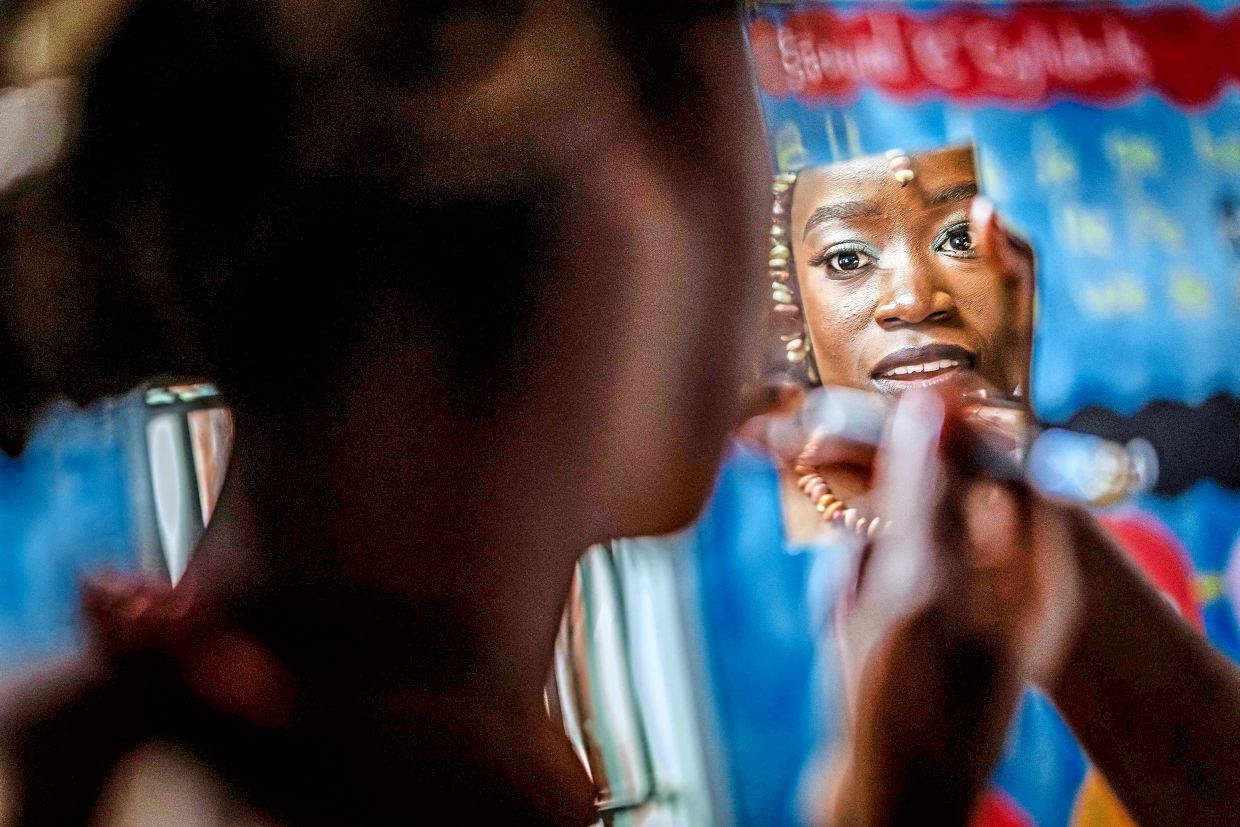
Gender-based violence in the east African country has been labelled a “femicide” by activists, who have urged the government to act.
Waves of anti-government demonstrations have also taken place – the latest in June and July killing 65 people – with rights groups alleging police brutality, a long-running issue in Kenya.
At the pageant, one contestant’s tank top simply read: “Stop killing us.”
Their speeches and protest acts are as key to their success in the contest as their appearance.
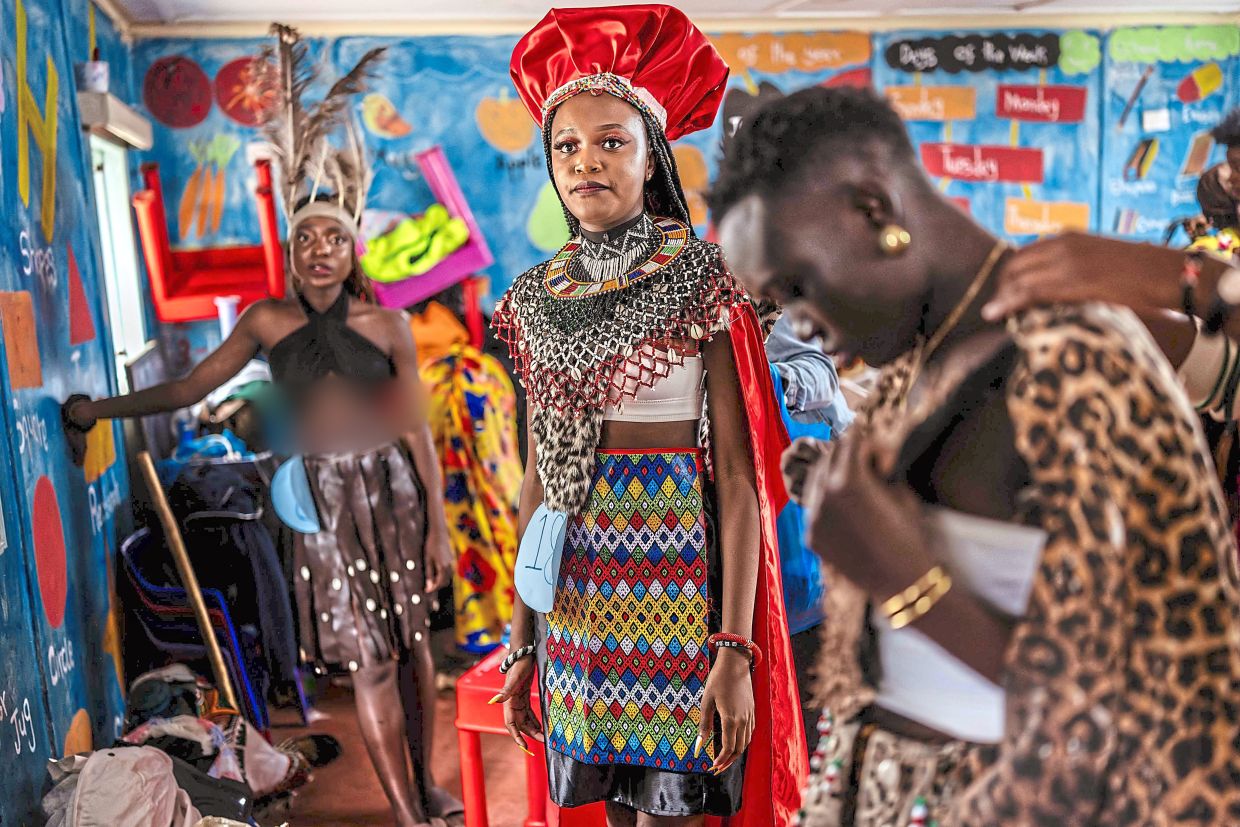
Now in its 20th year, the pageant has offered scores of young people from the neighbourhood – where many still lack clean water and regular electricity – the chance to step out of a cycle of poverty, violence and crime.
“Many people don’t see anything positive coming from a slum,” said founder Ben Ooko.
“Yet, there are hidden gems in our community just waiting to be discovered.”
The pageant teaches participants how to express themselves in public and build self-confidence, he said.
“We are looking at young people who are able to stand up and speak for the challenges of other young people,” he added.
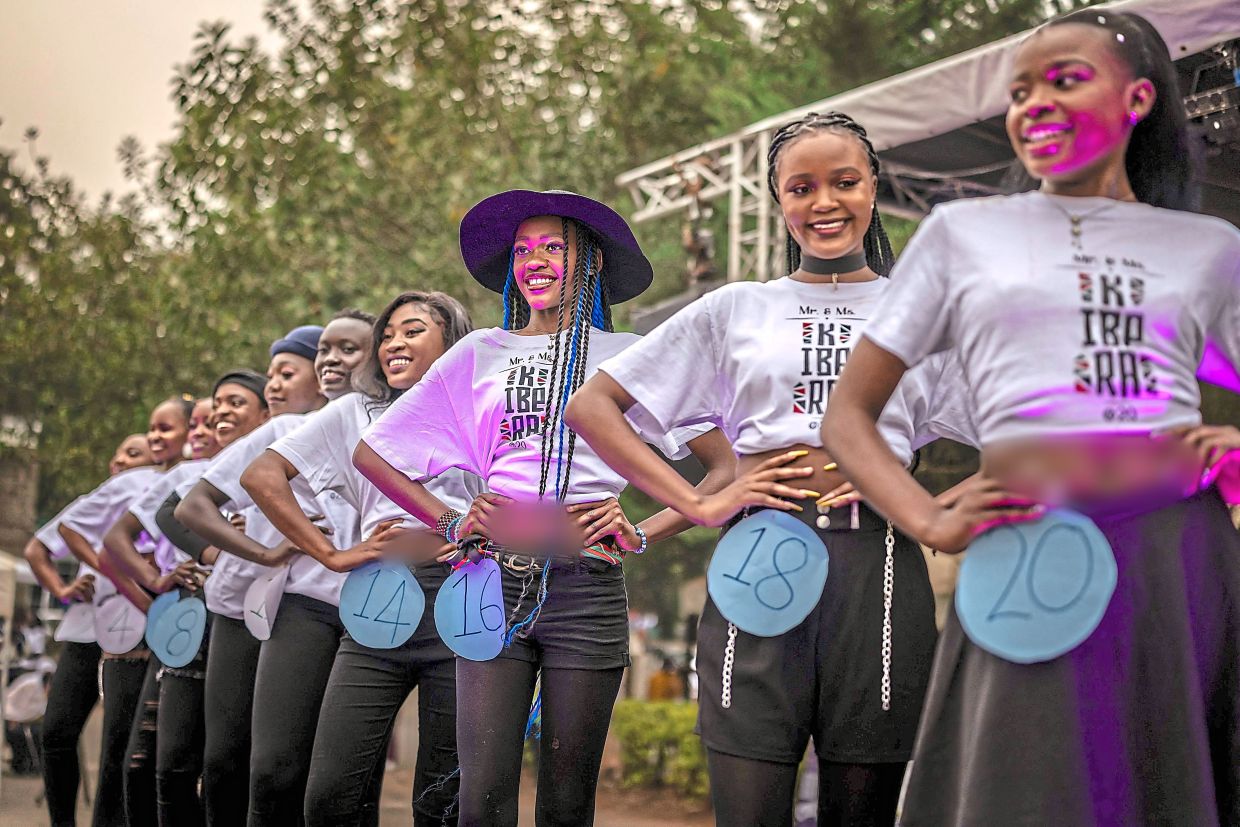
Building their life
Twenty years ago, Kepha Ngito became the first Mr Kibera.
Thanks in part to a scholarship from the pageant, Ngito was able to move off the streets and is now a development consultant.
Despite no longer living in Kibera, he still comes back to help young people stuck in what he calls an “environment of indignity”.
The pageant offers people a chance to demonstrate their potential, he said.
“We want to show the world that we have our own definition of beauty and that definition is resilience,” he said.

Another former participant Pauline Akiniyi, 30, who took part in 2016, has gone on to open a women’s shelter in Kibera.
Towards the end of the evening, the winners are announced, with the crown going to 21-year-old Rozelda Kim.
“It’s not just a beauty pageant ... It’s a microphone to speak louder,” she said.
The nursing student will use her victory to help her community, changing perceptions about an often-maligned part of the capital.
“Your social background doesn’t define you,” Kim said. – AFP
