



High above the Himalayas, where the air grows thin and the risks rise, a drone roughly the weight of a baby yak, but with rotors instead of hooves, is starting to change the way Mount Everest is climbed.
Developed by Chinese manufacturer DJI and operated by Kathmandu-based Airlift Technology, the FlyCart 30 cargo drone flew supplies between Base Camp and Camp I this season, supporting Sherpa teams.
That reduced the number of trips through the deadly Khumbu Icefall — long considered one of the most treacherous sections on the world's highest peak.
The drones were used "in carrying ladders, tents, ropes and oxygen cylinders. Work that otherwise takes seven hours for Sherpas took seven minutes. It's much easier”, says Raj Bikram Maharjan, CEO of Airlift Technology, which operates two drones.
Climbers like them too, saying they are quieter than the helicopters often used in the area.
"It's like being on a motorway when helicopters fly up and down," says German mountaineer Jost Kobusch.
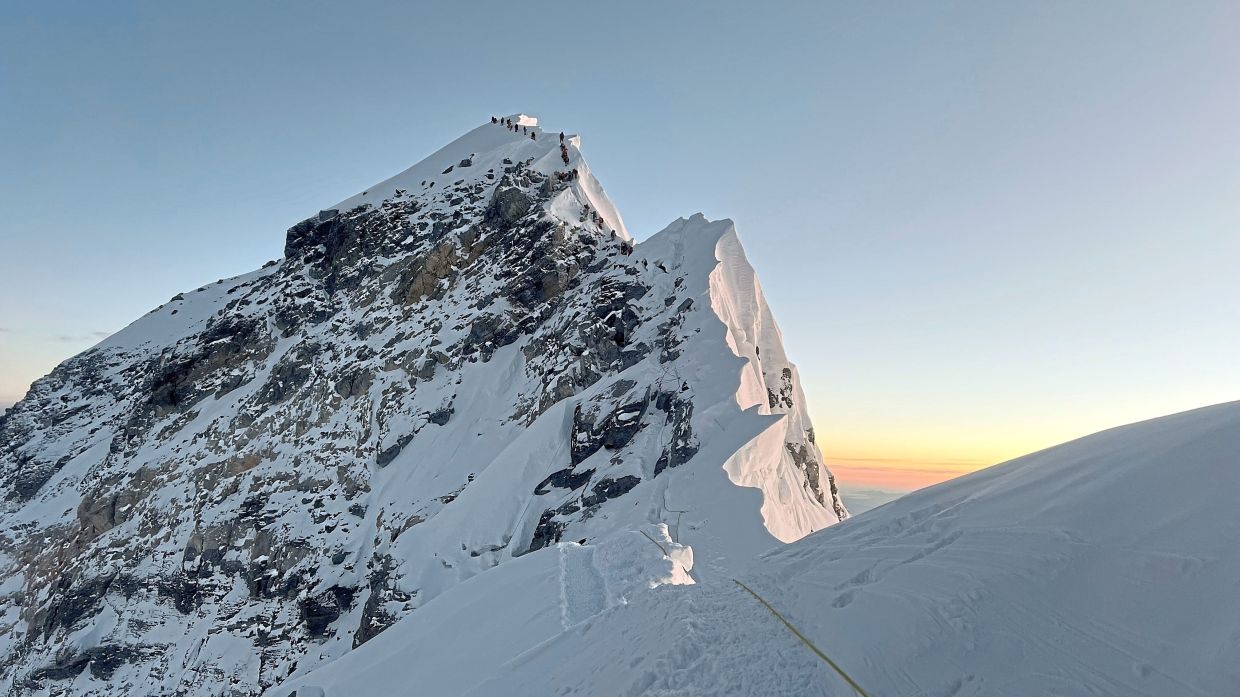
Introduced in 2024 through a partnership with Khumbu Pasang Lhamu rural municipality and DJI, the drone was initially intended for waste management.
Following a successful trial phase last spring, the drone was formally handed over to Airlift Technology. The municipality supported operations alongside the Sagarmatha Pollution Control Committee (SPCC), a non-profit responsible for maintaining the Khumbu glacier route and managing waste on Mount Everest.
"When we signed the MoU with DJI in 2024, waste management was in our mind. Since the pilot project started, we have brought hundreds of kilogrammes of waste from Everest and Ama Dablam,” says Mingma Chhiri Sherpa, mayor of Khumbu Pasang Lhamu rural municipality, the home to Mt Everest and several other renowned peaks.
But, he says, drones were used to do other jobs too.
The drone can carry up to 40kg of cargo for nine minutes in single-battery mode, or 30kg for 18 minutes using dual batteries.
With a full payload, its safe ceiling is around 3,000m, say operators. Everest Base Camp sits at 5,300m.
Even so, the impact of the technology is growing. In the 2024 spring climbing season, the drones carried oxygen cylinders to Camp I and brought back hundreds of kilogrammes of waste.
In November, drones brought 700kg of garbage from nearby Ama Dablam, 6,812m.
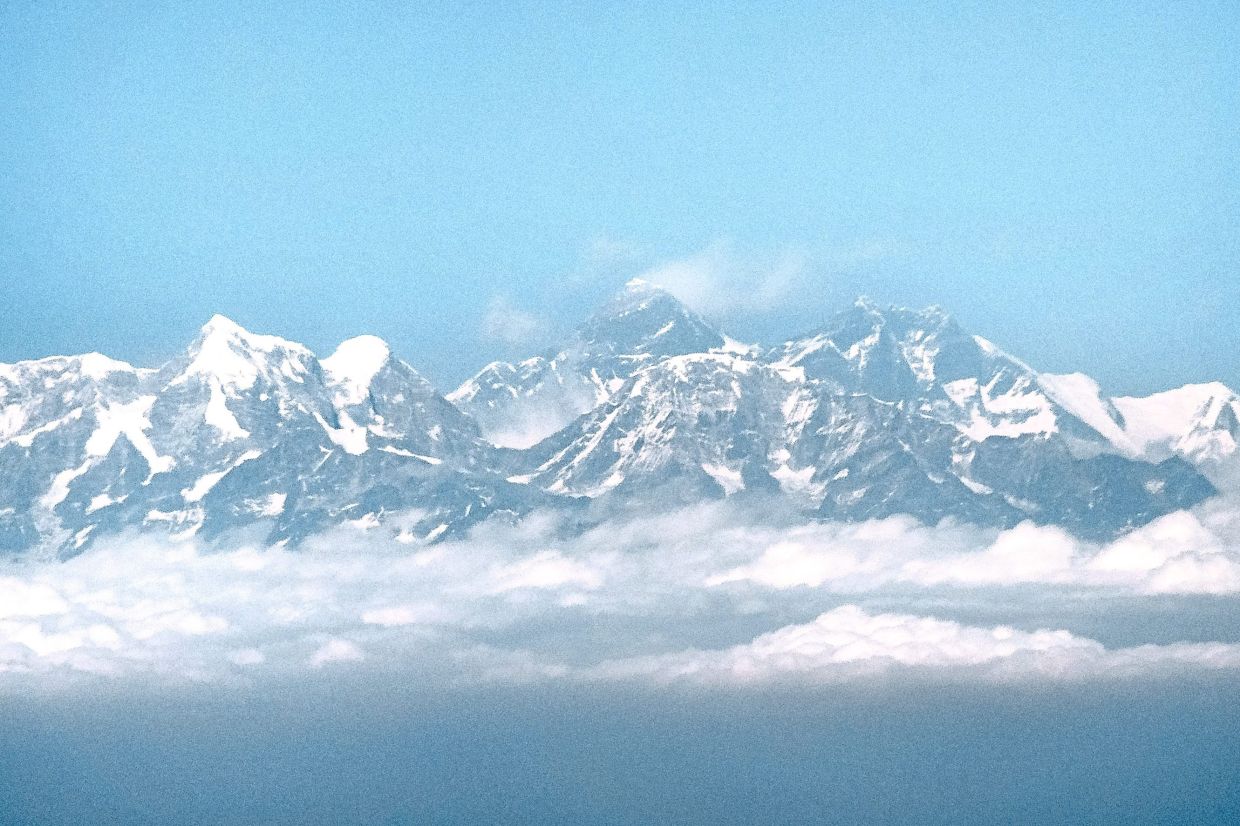
This year, drones were also used to map the Khumbu Icefall to aid in route-finding, a crucial task for the route used by 468 fee-paying climbers who attempted Everest from the Nepal side during the 2025 season - along with their guides and many porters.
"Now we can take 3D mapping of the area and find out where and how deep crevasses are," says Maharjan, a trained aeronautical engineer. "This makes work faster and easier.”
Laying fixed ropes and ferrying loads through the Khumbu Icefall is a gruelling, repetitive task that often requires Sherpa climbers to make multiple dangerous trips through what is considered the most lethal section of Everest’s southern route.
From 1953 to 2024, there were 227 fatalities on the southern side of Mount Everest in Nepal. Nearly one-third of the deaths occurred in and around the icefall, with the majority involving Sherpas.
"Before beginning our work, we were a little concerned," he says. "But Sherpas were very happy. Due to the dangerous nature, not many want to work in the Khumbu Icefall. They are happy to give that work to drones.”
For more than a century, mountaineers attempting Everest - 8,849m - have relied on a traditional mode of transport involving animal and human labour to move through the Himalayas' harsh terrain.
Beyond Base Camp, mainly porters carry the loads needed for climbing.
Despite the increasing use of helicopters in recent years, this age-old transport system remains vital even today, given the regulatory restrictions on air transport and pushback from local communities.
Expedition operators also welcomed the technology, saying the drones save lives.
"Every load they can carry up saves a rotation through the dangerous Khumbu Icefall for a high-altitude worker,” said Lukas Furtenbach, owner of Furtenbach Adventures, which organises expeditions from the northern side in Tibet, where drones have been used in expeditions for some years.
"The drones don’t take jobs of Sherpas. We pay our Sherpas the same salary even if we use drones additionally. The drones make the job of the Sherpa safer.”
Still, high costs limit access to the technology. Each drone costs around US$50,000 (RM211,650), making it prohibitive for many small expedition agencies.
This year, only two drones were used for transport. But other companies and individuals also use drones for filming, research or surveys.
As demand for cleaner, safer climbs grows and clients pay anywhere between US$35,000 (RM148,155) and US$100,000 (RM423,300) for an Everest summit attempt, the role of drones may expand.
“Drones have a bright future on Everest and the rest of the Himalayas. It could make mountaineering safer and cleaner,” Maharjan says. "We are also working with BYD, the electric company, to clean up Everest.” – dpa

