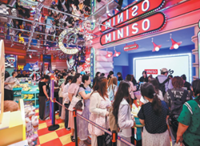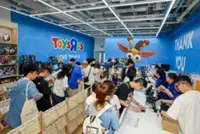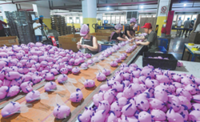
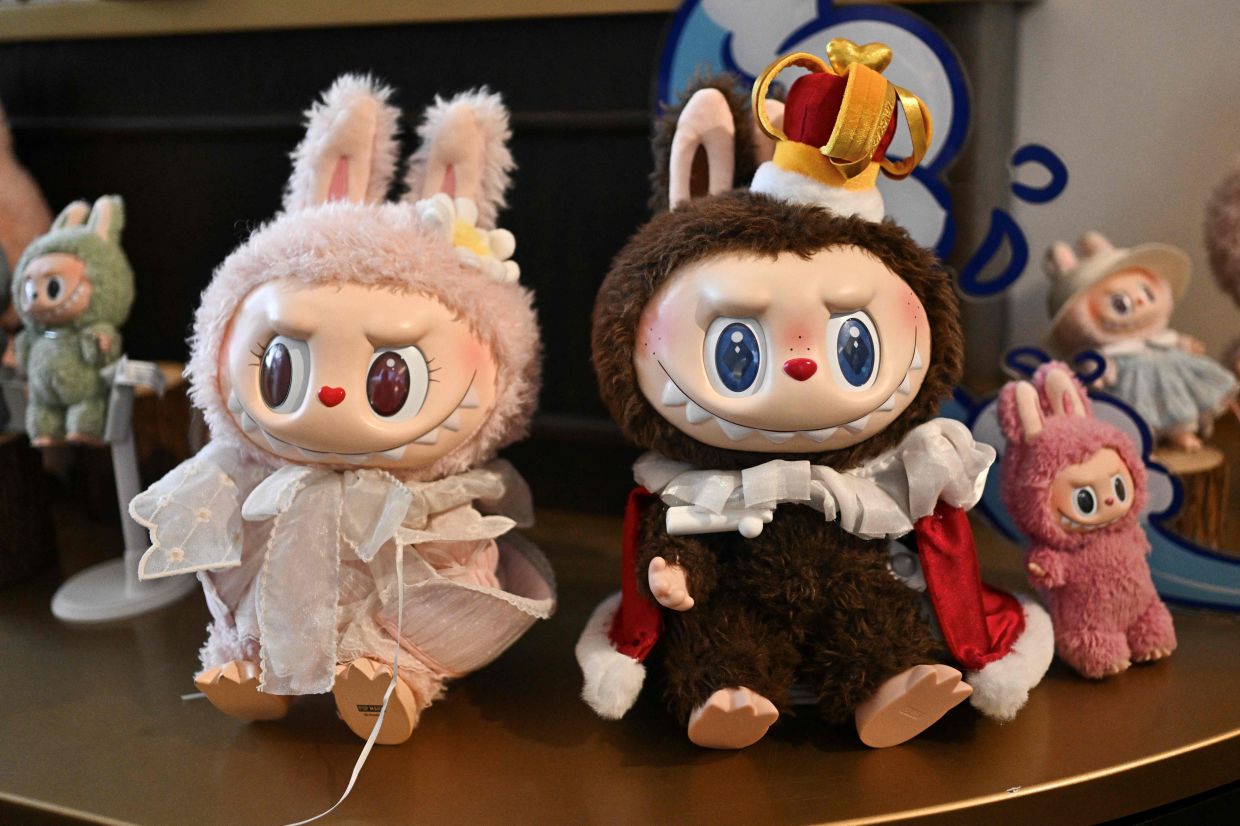
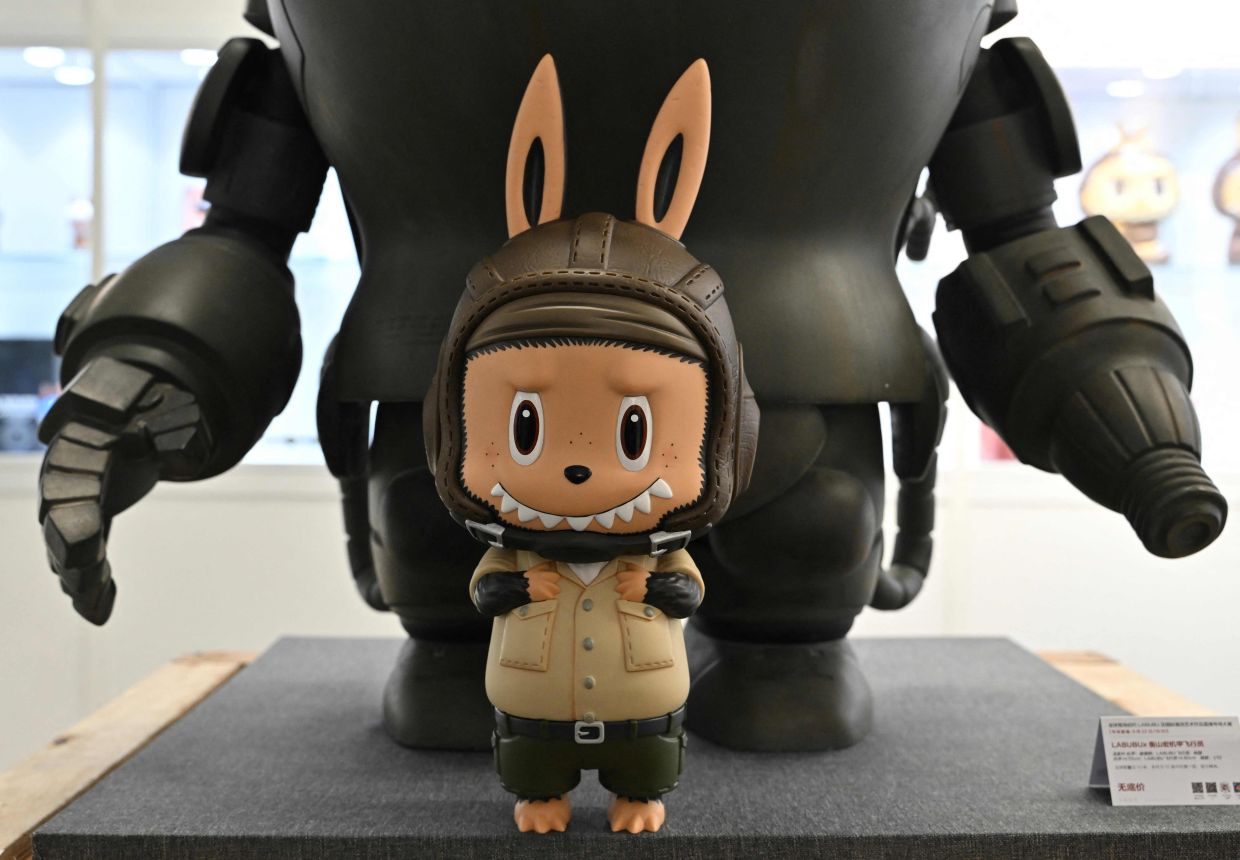
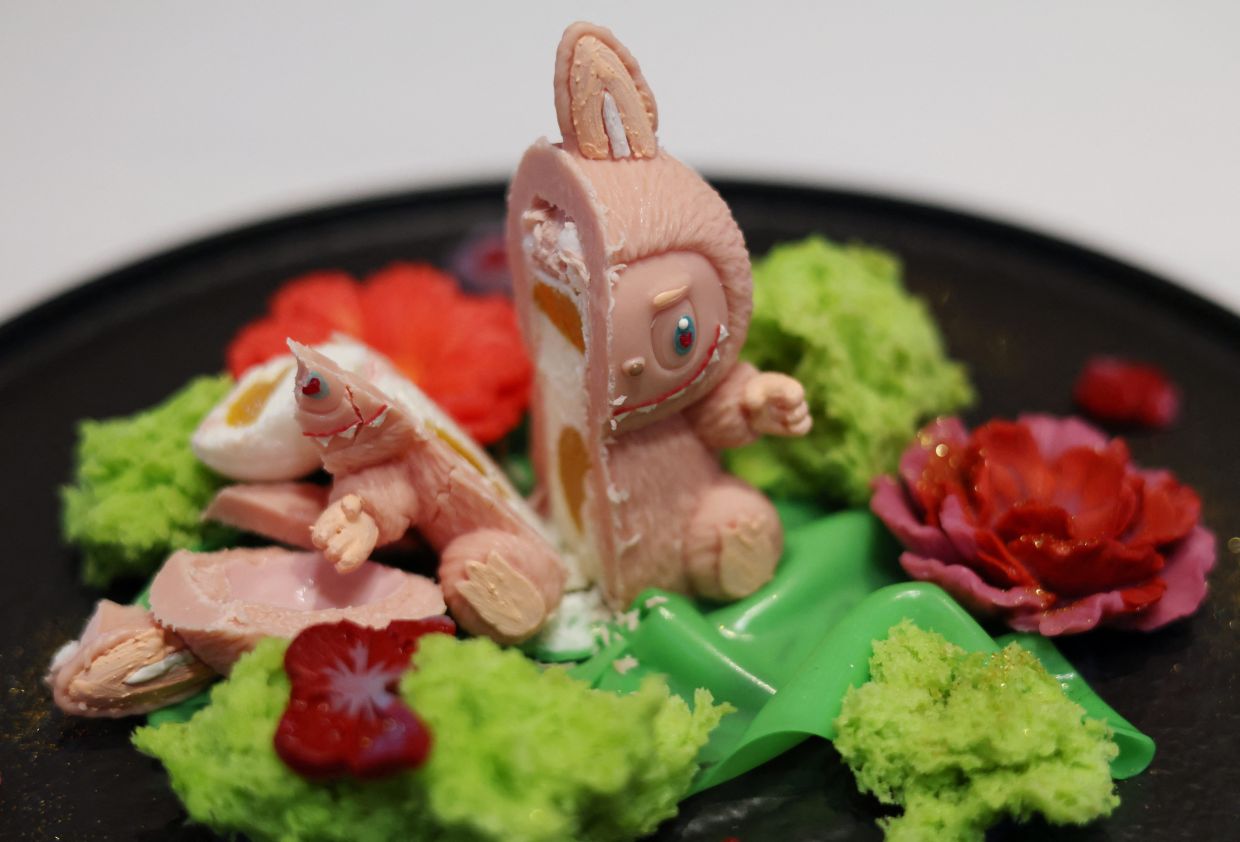
Small, fuzzy and baring sharp teeth, Chinese toymaker Pop Mart's Labubu monster dolls have taken over the world, drawing excited crowds at international stores and adorning the handbags of celebrities such as Rihanna and Cher.
Beijing-based Pop Mart is part of a rising tide of Chinese cultural exports gaining traction abroad, furry ambassadors of a "cool" China even in places associated more with negative public opinion of Beijing such as Europe and North America.
Labubus, which typically sell for around $40, are released in limited quantities and sold in "blind boxes", meaning buyers don't know the exact model they will receive.
The dolls are "a bit quirky and ugly and very inclusive, so people can relate", interior designer Lucy Shitova told AFP at a Pop Mart store in London, where in-person sales of Labubus have been suspended over fears that fans could turn violent in their quest for the toys.
"Now everything goes viral... because of social media. And yes, it's cool. It's different."
While neighbouring East Asian countries South Korea and Japan are globally recognised for their high-end fashion, cinema and pop songs, China's heavily censored film and music industry have struggled to attract international audiences, and the country's best-known clothing exporter is fast-fashion website Shein.
There have been few success stories of Chinese companies selling upmarket goods under their own brands, faced with stereotypes of cheap and low-quality products.
"It has been hard for the world's consumers to perceive China as a brand-creating nation," the University of Maryland's Fan Yang told AFP.
Pop Mart has bucked the trend, spawning copycats dubbed by social media users as "lafufus" and detailed YouTube videos on how to verify a doll's authenticity.
Brands such as designer womenswear label Shushu/Tong, Shanghai-based Marchen and Beijing-based handbag maker Songmont have also gained recognition abroad over the past few years.
"It might just be a matter of time before even more Chinese brands become globally recognisable," Yang said.
TikTok effect
Through viral exports like Labubu, China is "undergoing a soft-power shift where its products and image are increasingly cool among young Westerners", said Allison Malmsten, an analyst at China-based Daxue Consulting.
Malmsten said she believed social media could boost China's global image "similar to that of Japan in the 80s to 2010s with Pokemon and Nintendo".
Video app TikTok -- designed by China's ByteDance -- paved the way for Labubu's ascent when it became the first Chinese-branded product to be indispensable for young people internationally.
Joshua Kurlantzick from the Council on Foreign Relations (CFR) told AFP that "TikTok probably played a role in changing consumers' minds about China".
TikTok, which is officially blocked within China but still accessible with VPN software, has over one billion users, including what the company says is nearly half of the US population.
The app has become a focus of national security fears in the United States, with a proposed ban seeing American TikTok users flock to another Chinese app, Rednote, where they were welcomed as digital "refugees".
A conduit for Chinese social media memes and fashion trends, TikTok hosts over 1.7 million videos about Labubu.
Labubumania
Cultural exports can "improve the image of China as a place that has companies that can produce globally attractive goods or services", CFR's Kurlantzick told AFP.
"I don't know how much, if at all, this impacts images of China's state or government," he said, pointing to how South Korea's undeniable soft power has not translated into similar levels of political might.
While plush toys alone might not translate into actual power, the United States' chaotic global image under the Trump presidency could benefit perceptions of China, the University of Maryland's Yang said.
"The connection many make between the seeming decline of US soft power and the potential rise in China's global image may reflect how deeply intertwined the two countries are in the minds of people whose lives are impacted by both simultaneously," she told AFP.
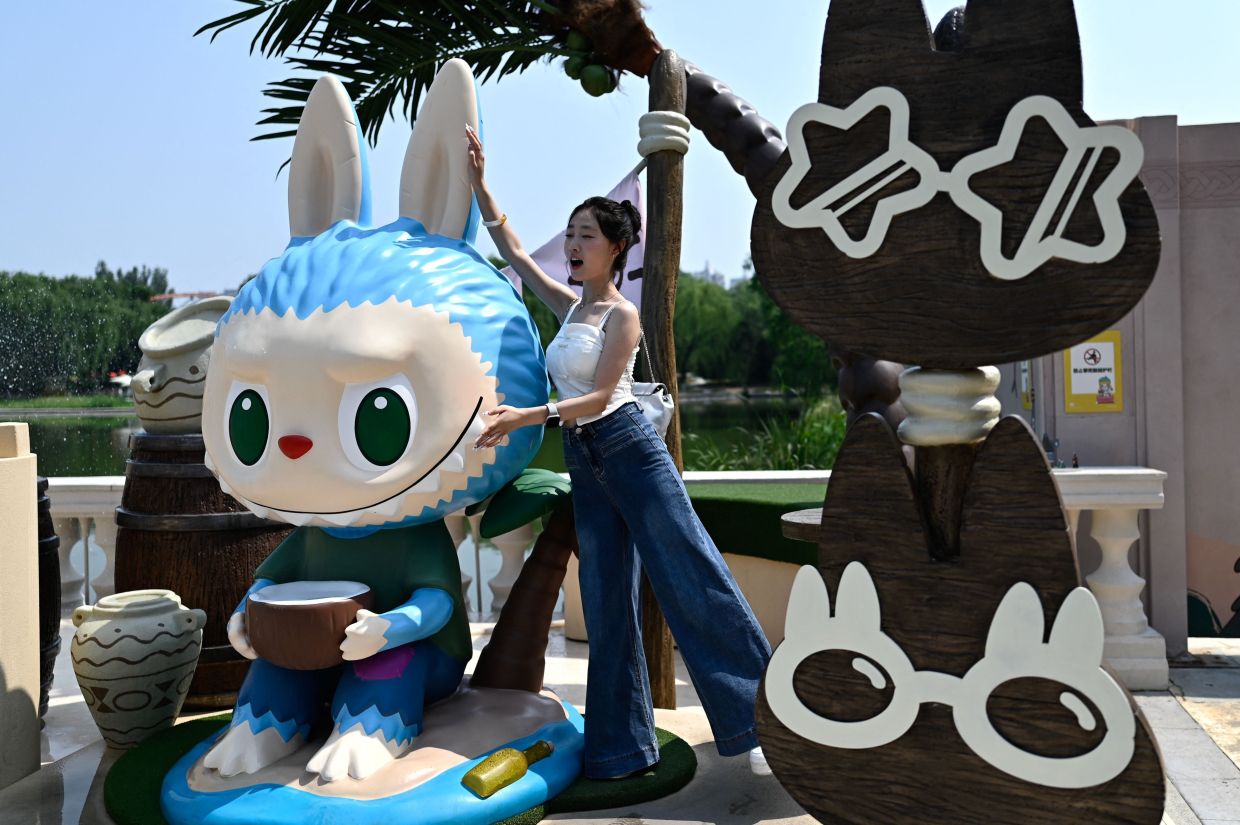
At the very least, Labubu's charms appear to be promoting interest in China among the younger generation.
"It's like a virus. Everyone just wants it," Kazakhstani mother-of-three Anelya Batalova told AFP at Pop Mart's theme park in Beijing.
Qatari Maryam Hammadi, 11, posed for photos in front of a giant Labubu statue.
"In our country, they love Labubu," she said.
"So, when they realise that the origin of Labubu is in China, they'd like to come to see the different types of Labubu in China." – AFP