
In 1996, Kat Albrecht was a police officer and bloodhound handler in Santa Cruz, California.
Her dog, AJ, had been a part of many search and rescue efforts, sniffing out and locating lost people in the woods.
But when AJ escaped Albrecht’s yard, there was no team of expert animal rescuers to turn to. So she sought help from a friend who had her own tracking dog, a golden retriever named Kea.
“We knew that Kea understood, ‘Smell this pillowcase and follow the scent trail of this missing person,’” Albrecht recalled. “Would she understand, ‘Smell this stinky blanket and find my stinky bloodhound?’”
Within 20 minutes, Kea found AJ lounging on a stranger’s porch. For Albrecht, it was a turning point.
“We have all kinds of detection dogs: drug-detection, bomb- detection, termite-detection,” she said. “Why don’t we have cat-detection dogs? Why aren’t we training dogs to follow the scent trail of lost dogs?”
Albrecht decided to do just that, forging an unlikely career as a lost-pet detective.
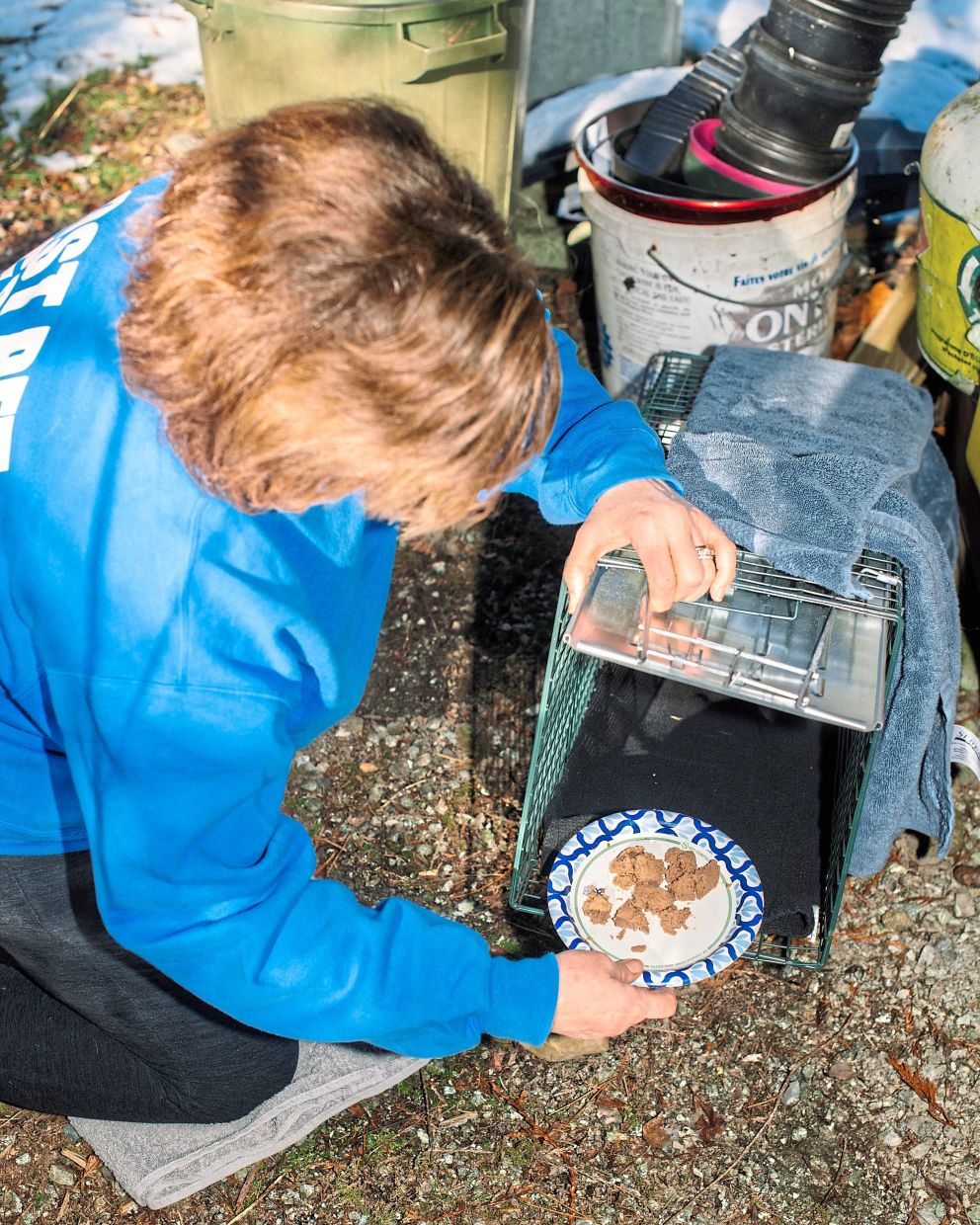
Along the way, she has worked with researchers to study the behaviour of missing cats and founded the Missing Animal Response Network, which trains people to locate lost pets and assists panicked pet owners. She no longer searches for lost pets herself, but trains others to follow in her footsteps.
Albrecht spoke with The New York Times about her work. This conversation has been condensed and edited for clarity.
A: One of the most fundamental things is the analysis of lost-pet behaviour. Dogs and cats are like apples and oranges. They behave differently from each other when lost.
Cats will hide when they’re afraid, sick or injured. And it’s often within their territory – in your yard or one of your neighbour’s yards. It’s fine to post your missing cat on the internet, but you have to get permission from your neighbours to go into their yards to do a slow, methodical search. Because that is where studies have shown that cats are most likely to be. They’re close, but they’re silent and they’re hidden.
Other techniques and tactics would be the use of cat-detection dogs.
We choose dogs that want to get the kitty but not “get” the kitty. I can share a story on one of those recoveries.
The handler’s name was Karen, and her dog’s name was Halo. An indoor, skittish cat had escaped. Halo tracked from the escape point to a neighbour’s house and then alerted: There’s a cat under this deck.
When the owner crawled under the house, she couldn’t see the cat. But Karen was so confident in her dog. She said, “My dog is insisting there’s a cat under here.” So the owner crawled farther back, and she found Miso, the cat.
A: That’s exactly what Miso did. He moved farther back under the house. Once Karen knew that the cat was under that deck, she put Halo in the car. So, yeah, there’s a risk. But the ability of the dog to tell us there’s a cat under this house or in this wood pile is a very important clue.
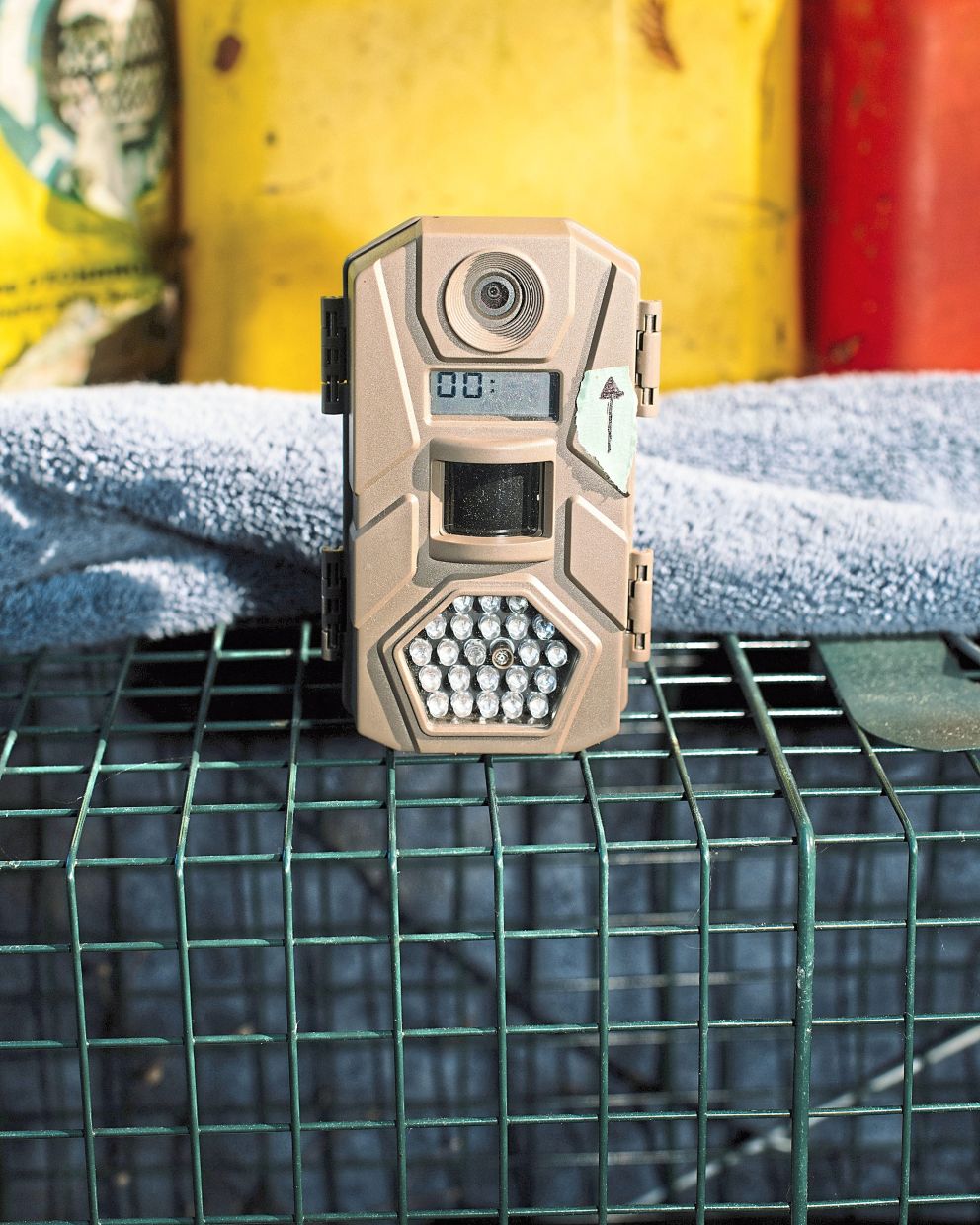
Let me back up and say: A lot of people think that a search dog is the answer to finding their missing pet. It’s only one tool. We use cameras to monitor traps and feeding stations.
We’ve also used amplified listening devices. It’s just being innovative in seeing what technologies are out there.
A: We have had cases where dogs have hidden, like when there’s fireworks going off. But in general, dogs run.
The interesting thing about dogs is, their recovery is more dependent upon the behaviour of people. When people see this dog trotting down their sidewalk, are they thinking this is a lost dog?
A dog that is found in a rural area – people assume that it was dumped. They don’t realise that this dog may have escaped from its home or been involved in a rollover car accident.
So even if it has an ID tag, they won’t call the number on there, because they’re thinking that if the owner cared about this dog, they wouldn’t have let it run loose.
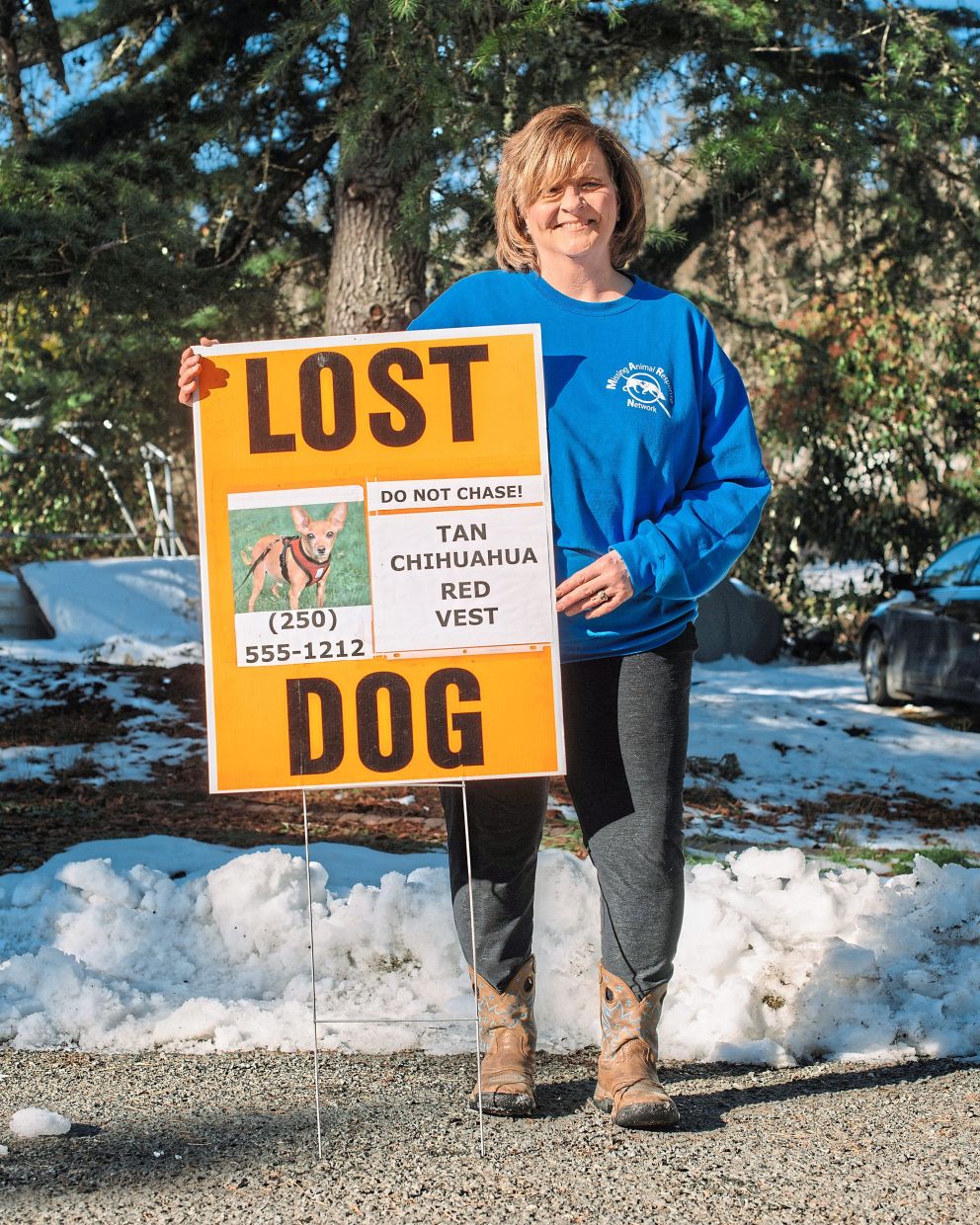
A: You’ve got to get out there and broadcast it. So you’re doing things like posting on Facebook, making big, neon posters. We have what we call the five-plus-five-plus-55 rule: You want to use five words that people can read in five seconds if they’re travelling at 55 miles (88.5km) an hour.
For example: “Lost black poodle, blue collar.” And you put these at major intersections.
You also need to do a physical search of your own property. Because we’ve just had so many cases where the owner thinks the dog is missing and the dog is right there.
A: It’s a process to recover a missing dog or missing cat. Don’t give up too soon. – ©2025 The New York Times Company