
Accelerating Malaysia’s transition to renewable energy (RE) so we can fulfil our international pledge of achieving net zero carbon emissions by 2050 will require significant effort and investment in areas of electrification, public-private partnerships, and energy efficiency, says Seda Malaysia.
“Malaysia has a huge potential to achieve RE acceleration and meet its objective. However, achieving these targets will require significant effort and investment,” it says in an email replying to queries from The Star.
Seda, the Sustainable Energy Development Authority of Malaysia, is a statutory body set up to, among other objectives, promote and implement national policy targets for RE.
Another of its key roles is to administer and manage the implementation of the feed-in tariff mechanism (FiT), which pays a company or individual money for the power they create using RE systems that they sell to a grid.
Currently, the upfront costs of installing RE systems such as solar panels, especially for residential and small-scale systems, can still be too high for many households and businesses, says Seda.
“The cost of solar panels and other RE equipment has been steadily declining in recent years, making them increasingly competitive with fossil fuels.
“However, there is still room for further cost reductions, particularly in the areas of energy storage and grid integration, which are critical for the widespread adoption of RE,” it says.
Although lower prices of equipment can certainly help to accelerate the adoption of RE, Seda explains it is also important to address other factors and to implement comprehensive policies and programmes.
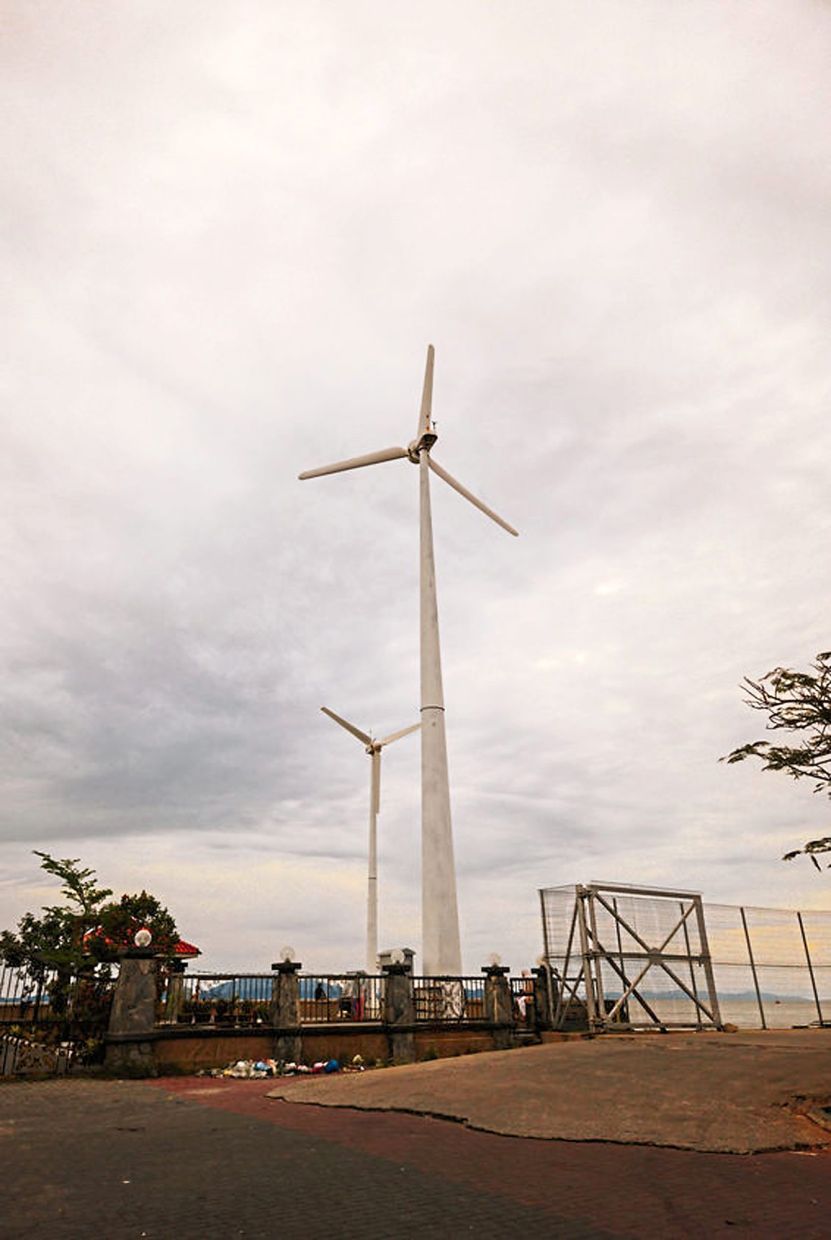
“Overall, while some of our RE programmes – the FiT and Net Energy Metering implemented by Seda – can help incentivise the adoption of RE, they may not be enough to overcome all of the barriers to adoption,” it says, adding that another barrier is the lack of public awareness.
To accelerate the development of RE projects, the government, Seda says, must encourage partnerships between the public and private sectors.
“Malaysia needs to continue investing in RE infrastructure, including for solar, wind, and hydroelectric power. This will require significant funding and political support, as well as the involvement of private sector partners.
“Plus, this country needs to invest in research and development to improve the efficiency and reliability of RE technologies. This will help to drive down costs and make RE more competitive with traditional sources of energy,” it says.
RE development, Seda says, must go hand-in-hand with the eventual wider adoption of electrification across economic activities and processes as Malaysia recognises the importance of a future-proof energy system that is modern, reliable and affordable.
“By addressing these key factors, Malaysia can accelerate its transition to renewable energy and achieve its objectives.
“However, this will require a sustained effort and a commitment to long-term planning and investment,” it says.
Pointing to the Malaysia Energy Transition Outlook report – which is jointly developed by the International Renewable Energy Agency and the Natural Resources, Environment and Climate Change Ministry – Seda says the findings indicate that transitioning to RE will save Malaysia between US$9bil and US$13bil (RM39.6bil and RM57.2bil) annually by 2050 in avoided energy, climate, and health costs.
Referring to the latest report by the International Renewable Energy Agency that Malaysia is falling behind regionally on RE production, and that it now needs to invest US$375bil (RM1.7 trillion) on transitioning, Seda admits that the country is still playing catch-up with our neighbours.
“Regionally, Malaysia’s RE production is lower than some of our neighbouring countries, such as Thailand and Indonesia.
“However, it is important to note that the level of RE development and adoption varies greatly among countries, with several factors that may contribute to this disparity, such as natural resources, infrastructure, and government policies,” it says.
Nevertheless, Malaysia has set ambitious targets and, through Seda, has published the Malaysia Renewable Energy Roadmap (MyRER), which is a strategic framework aimed at achieving the country’s emissions reduction targets.
To allow for the higher integration of renewables in a cost-effective manner, Malaysia needs to improve its system flexibility, says Seda.
“Ambitious and long-term planning must emphasise solutions to overcome the current challenges of grid integration and to create grid flexibility.
“That is why Malaysia’s energy transition pathway sees the power sector and grid-related investments accounting for over 70% of the total investment requirement, which is at least US$375bil.”
Already a subscriber? Log in
Get 20% OFF The Star Digital Access
Cancel anytime. Ad-free. Unlimited access with perks.