
A woman in her late 40s wakes up with aching joints after another night of disrupted sleep.
By the time she reaches work, her muscles feel stiff, sitting through a long meeting is uncomfortable, and fatigue clouds her concentration.
World Menopause Day (observed annually on Oct 18) was observed yesterday and there are plenty of reasons why we need to make this often-invisible experience visible.
The International Menopause Society has chosen “Chronic Pain at Midlife” as its 2026 theme, drawing attention to an issue that remains under-researched and inadequately addressed in healthcare.
Menopause is often portrayed through its most familiar symptoms, particularly, hot flushes and night sweats.
Yet for many women, especially in Asia, muscle aches, joint discomfort and fatigue are much more common and may be among the most disruptive symptoms.
Menopause is not a single event.
Perimenopause, the transitional period leading to menopause, can last several years as hormone levels fluctuate.
Menopause itself is reached only after a woman has gone 12 consecutive months without menstruation.
Postmenopause begins thereafter, although symptoms may persist for years.
Many women experience menopausal symptoms for between five and 10 years.
These may include sleep difficulties, exhaustion, anxiety, irritability, poor memory, heart palpitations, bladder problems, psychological and emotional distress, and vaginal dryness, in addition to muscle and joint discomfort.
Menopause might be a universal biological transition, but the experience is often unique to each individual.
The types, duration and severity of symptoms differ substantially from one woman to another.
Emerging evidence suggests that patterns of symptoms may also vary across racial and ethnic groups.
Importantly, not every pain experienced at midlife is caused by menopause.
Persistent pain can have many origins, including osteoarthritis, autoimmune disease, injury and other health conditions.
Women should not self-diagnose menopause, nor should serious symptoms be casually attributed to hormonal changes.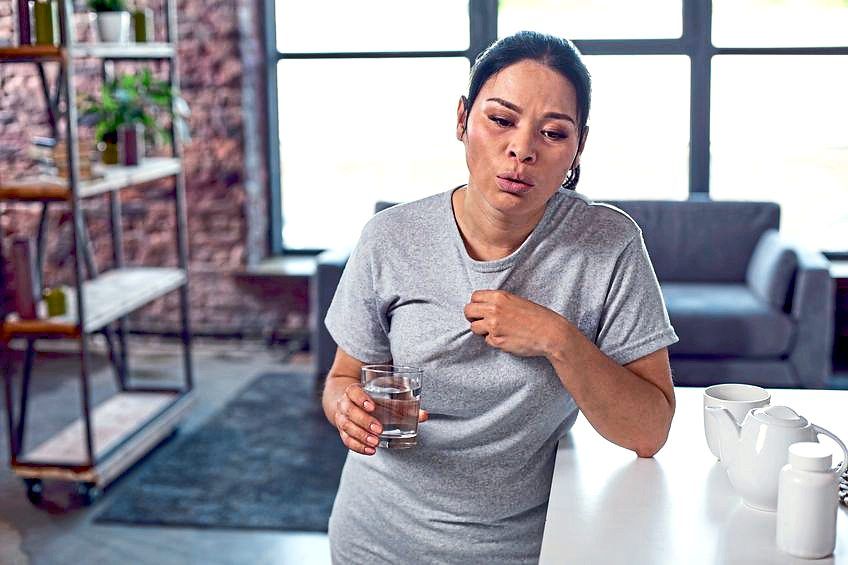
Appropriate medical assessment is essential.
At the same time, menopause can coincide with, exacerbate, or alter the experience of pain.
Poor sleep may increase fatigue and sensitivity to discomfort.
Pain may reduce physical activity, while inactivity can contribute to stiffness and poorer health.
Together, these experiences can make everyday life – and everyday work – more difficult.
For some women, the consequences may extend beyond discomfort.
Symptoms can affect attendance, concentration, working hours and willingness to take on new responsibilities.
If women reduce their participation in work or leave employment altogether, they may also face longer-term consequences for income, financial independence and career progression.
Yet much of our current knowledge about women’s experiences during perimenopause and menopause is derived from Western studies, often based predominantly on data from women from WEIRD (Western, Educated, Industrialised, Rich, and Democratic) countries.
The experiences of Asian women remain comparatively under-researched.
The questions we need to ask are therefore broader than how to manage symptoms: How is menopause understood and discussed across different cultural and organisational contexts in Asia?
How does it intersect with women’s performance, career progression and leadership?
And what must change within organisations, public policy and society to create more menopause-inclusive workplaces?
These questions matter because menopause often coincides with women’s peak professional years.
By their 40s and 50s, many women have accumulated substantial expertise, organisational knowledge and leadership experience.
Yet chronic pain, fatigue and disrupted sleep can make everyday work more difficult – particularly when women feel compelled to conceal what they are experiencing.
The consequences extend beyond individual well-being.
Some women choose to reduce their working hours, take more sick leave, turn down promotion opportunities or leave employment altogether.
When experienced women withdraw prematurely from the workforce, employers lose valuable talent and weaken their leadership pipelines.
This makes gender equality, especially at senior levels, even more difficult to achieve.
What workplaces can do
A menopause-inclusive workplace does not require employers to make assumptions about every midlife woman or to treat menopause as an illness.
It requires managers to recognise that employees may experience significant symptoms and to respond respectfully when support is requested.
Practical adjustments can be modest.
Flexible scheduling or hybrid work may help an employee manage difficult mornings, medical appointments or disrupted sleep.
Ergonomic assessments, opportunities to move during the working day and appropriate rest breaks may assist those experiencing muscle and joint discomfort.
Access to occupational health services and clear information about available support can also make it easier for women to seek help.
Workplace uniforms also deserve attention.
Employers could offer women a choice of uniform styles and fabrics, including lightweight, breathable materials and layered options that can be adjusted easily.
Such flexibility can help women remain cool and comfortable when experiencing hot flushes or sweating, while maintaining a professional appearance.
Managers need guidance as well.
Supportive conversations should focus on what an employee needs to work effectively, rather than requiring personal medical information.
Confidentiality is crucial.
No woman should be disadvantaged, stereotyped or overlooked at work because she discloses her menopausal symptoms.
Organisations should also avoid creating policies that exist only on paper.
Formal support must be accompanied by manager education, inclusive workplace practices and a culture in which employees can raise health concerns without embarrassment or fear of adverse career consequences.
Above all, we need to stop treating pain at midlife as something women should silently endure.
Recognition does not mean assuming that menopause explains every ache.
It means respecting women’s health, taking women’s experiences seriously, encouraging appropriate medical care and ensuring that manageable symptoms do not unnecessarily derail their careers.
By 2030, more than 1.2 billion women worldwide are expected to be perimenopausal or postmenopausal.
Menopause is therefore not a niche concern – it is a major health, workplace and gender-equity issue.
Malaysia has an opportunity to engage in the growing global conversation on menopause and broaden its focus – from hot flushes to chronic pain, and from individual experiences of silence and endurance to the workplaces, healthcare systems, and policies that shape women’s lives at midlife.
The real question is not simply what the symptoms are and how women can tolerate them better.
It is what it would take to ensure they do not have to choose between managing their health and participating fully in work.
When women at midlife are properly understood and supported, they do not merely remain at work.
They continue contributing, leading and thriving throughout their working lives.
Dr Zen Goh is a senior lecturer at Monash University Australia’s Department of Management and Dr Jane Terpstra-Tong is a former professor of management at Monash University Malaysia. For further information, email starhealth@thestar.com.my. The information provided is for educational and communication purposes only, and should not be considered as medical advice. The Star does not give any warranty on accuracy, completeness, functionality, usefulness or other assurances as to the content appearing in this article. The Star disclaims all responsibility for any losses, damage to property or personal injury suffered directly or indirectly from reliance on such information.