
Here are a few dishes most Malaysians love and simple swaps to make them more heart-friendly:
Nasi lemak is a beloved Malaysian staple that can be enjoyed at any time, but some ingredients can be less friendly to heart health and our cholesterol levels.
One simple change is the rice.
Coconut rice is higher in saturated fat because it is cooked with coconut milk, which contributes to its saturated fat content.
For a healthier nasi lemak, swap coconut rice for brown rice, or use pandan leaves to add flavour without coconut milk.
Reduce the portion and choose lower-fat options when possible.
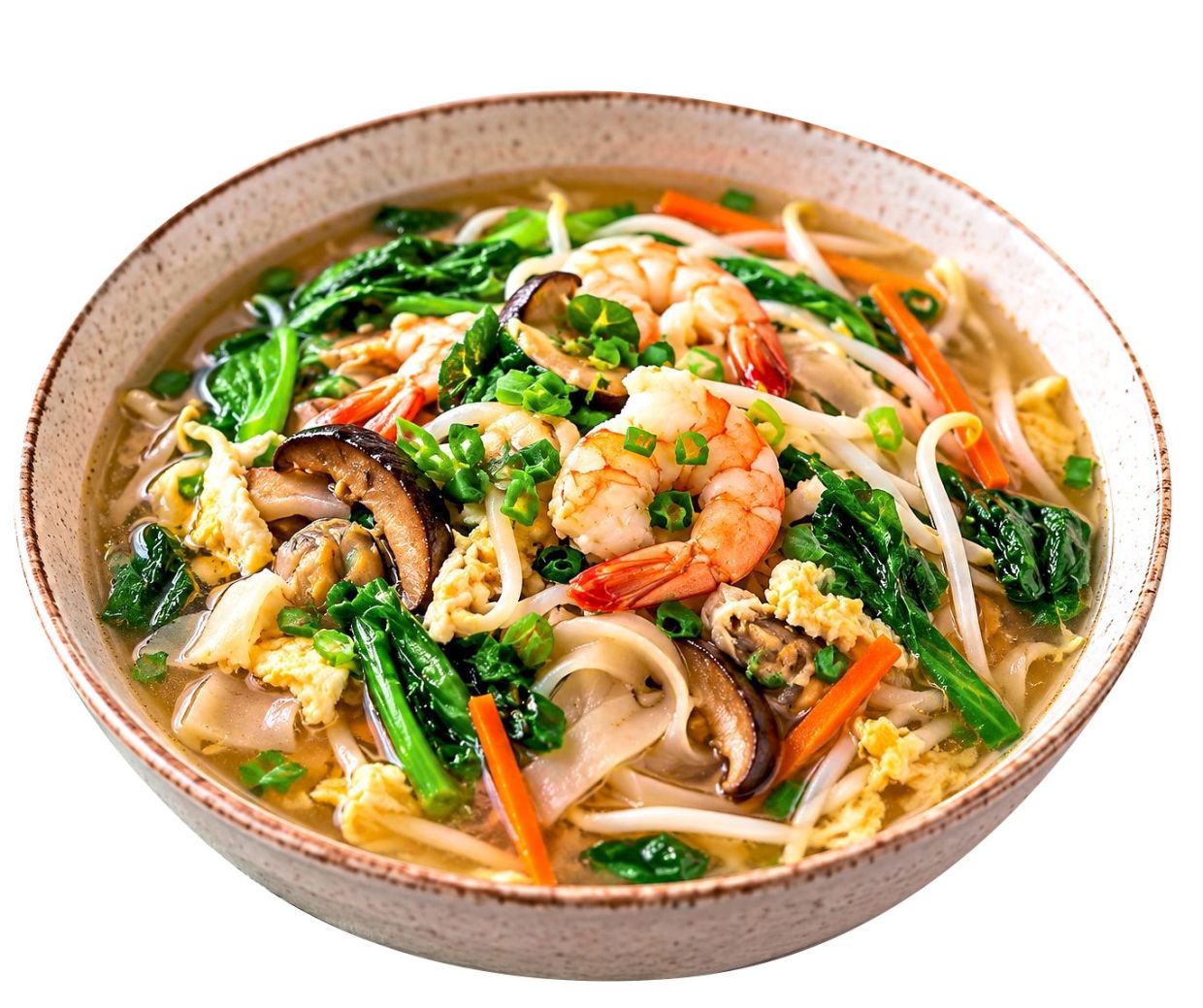
It is also typically cooked with more oil compared with meehoon, while vegetables are limited, with bean sprouts and spring onions being the main additions.
For a healthier option, try a soup-based noodle dish instead of a fried one, add more vegetables for extra fibre, and choose preparations that use less oil.
It is also best to have fried dishes less frequently and in smaller portions.
Instant noodles are a convenient go-to when there is little time to cook.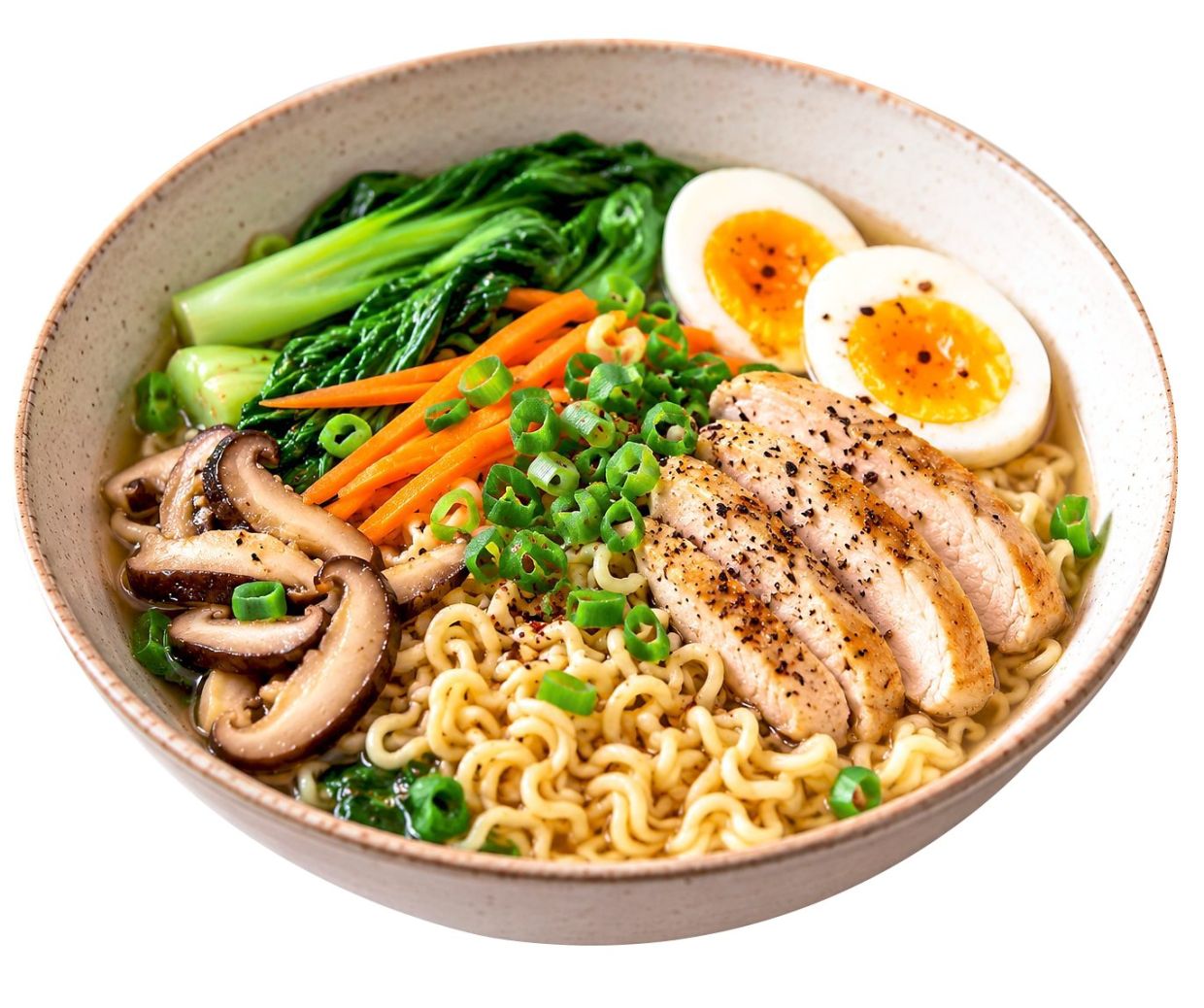
For a more balanced meal, add protein and vegetables, rather than eating just the noodles.
You can also cut back on the flavouring and sauce, which can be high in salt.
Use only a small amount of the seasoning or add sesame oil, instead of the entire seasoning packet.
Economy rice, also known as mixed rice, is a meal where you choose different dishes to go with a serving of rice, allowing you to make healthier choices based on what you add to your plate.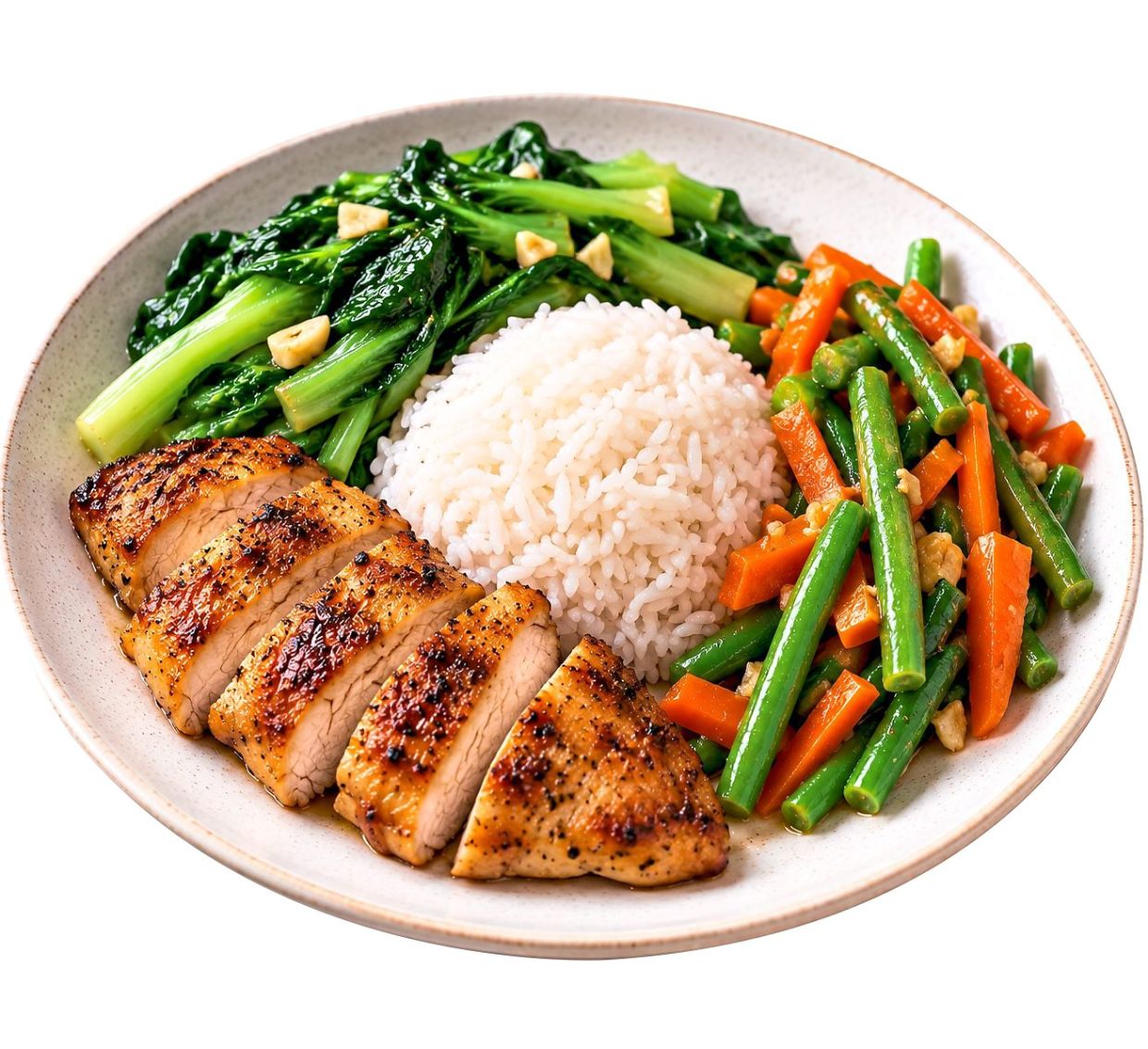
Aim for two types of vegetables and one protein, which can be animal- or plant-based.
When choosing the sides, opt for less or no gravy and avoid deep-fried dishes.
Choose pan-fried or stir-fried options that are not coated in batter or flour.
It is important to balance this dish with enough protein, more vegetables and less noodles.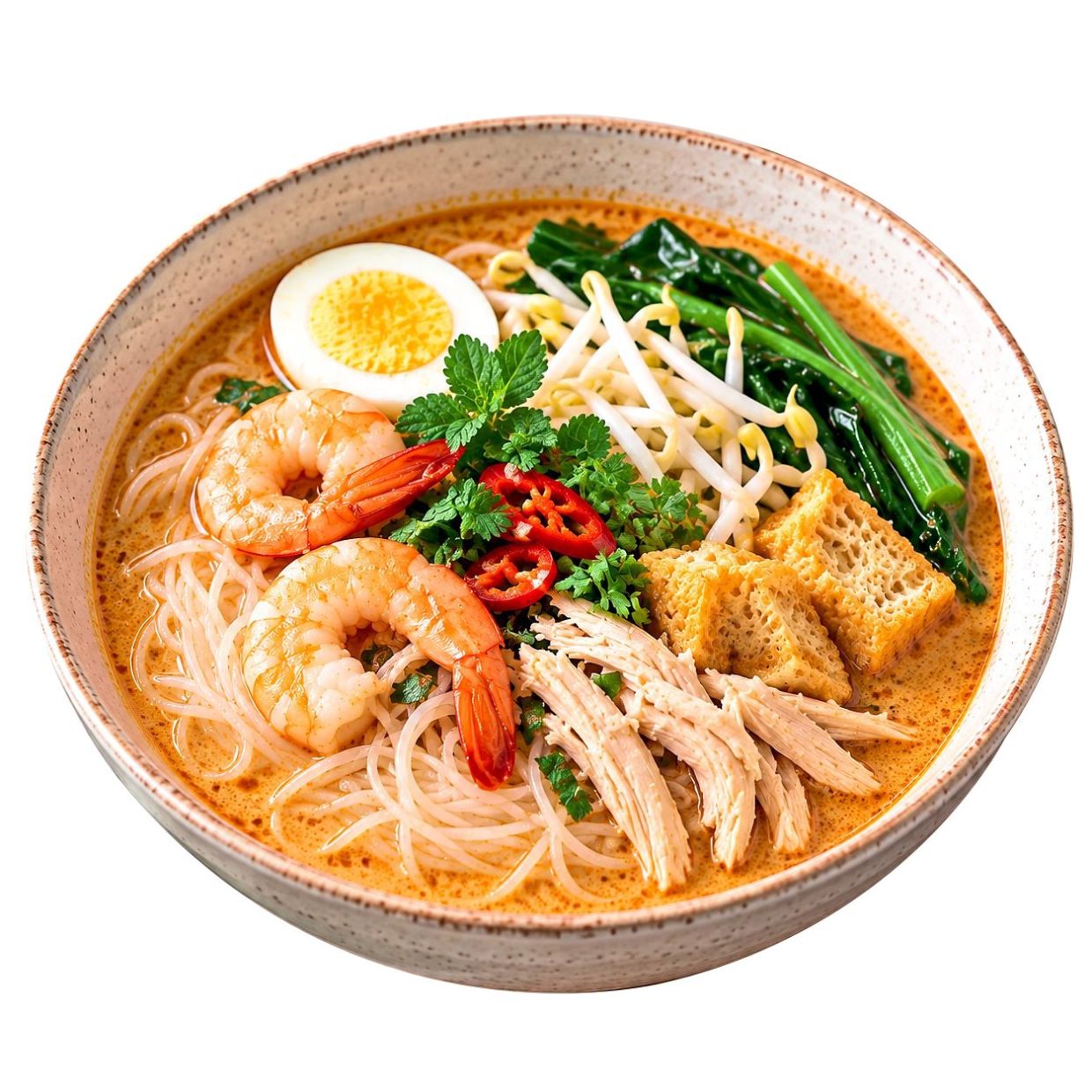
Choose a mix of animal- and plant-based proteins, and add on the vegetables.
You can also replace coconut milk with evaporated milk, and remove any visible layer of oil.
When choosing between yellow noodles and meehoon, opt for meehoon, which is typically made from rice flour rather than wheat flour.
Source: Clinical dietitian and Sunday Medical Centre Dietetics & Nutrition Services assistant director Celeste Lai