
For many people today, checking the phone has become almost automatic.
A quick scroll through social media before bed often stretches into hours, leaving many feeling emotionally drained, rather than rested.
Speaking at the StarLive workshop “Managing Burnout and Imposter Syndrome in the Digital Era” on May 23 (2026), Nyawa Organisation co-founder and advocacy lead Jernell Tan explained how digital platforms are designed to compete for one of the most valuable things people possess today: their attention.
“Social media platforms rely on algorithms that monitor engagement, interests and viewing habits before continuously feeding users content designed to keep them scrolling,” she said.
She compared social media addiction to the psychological principles behind casino machines, explaining that both rely on what is known as “intermittent rewards”.
“In gambling machines, players do not receive rewards every time they play,” she said.
“They may lose repeatedly before suddenly winning on the fifth, seventh or tenth attempt.”
According to Tan, social media platforms operate in a similar way, keeping users engaged through unpredictable moments of entertainment, validation or stimulation.
“You never know what you’re going to find when you open it,” she said.
An emotional escape
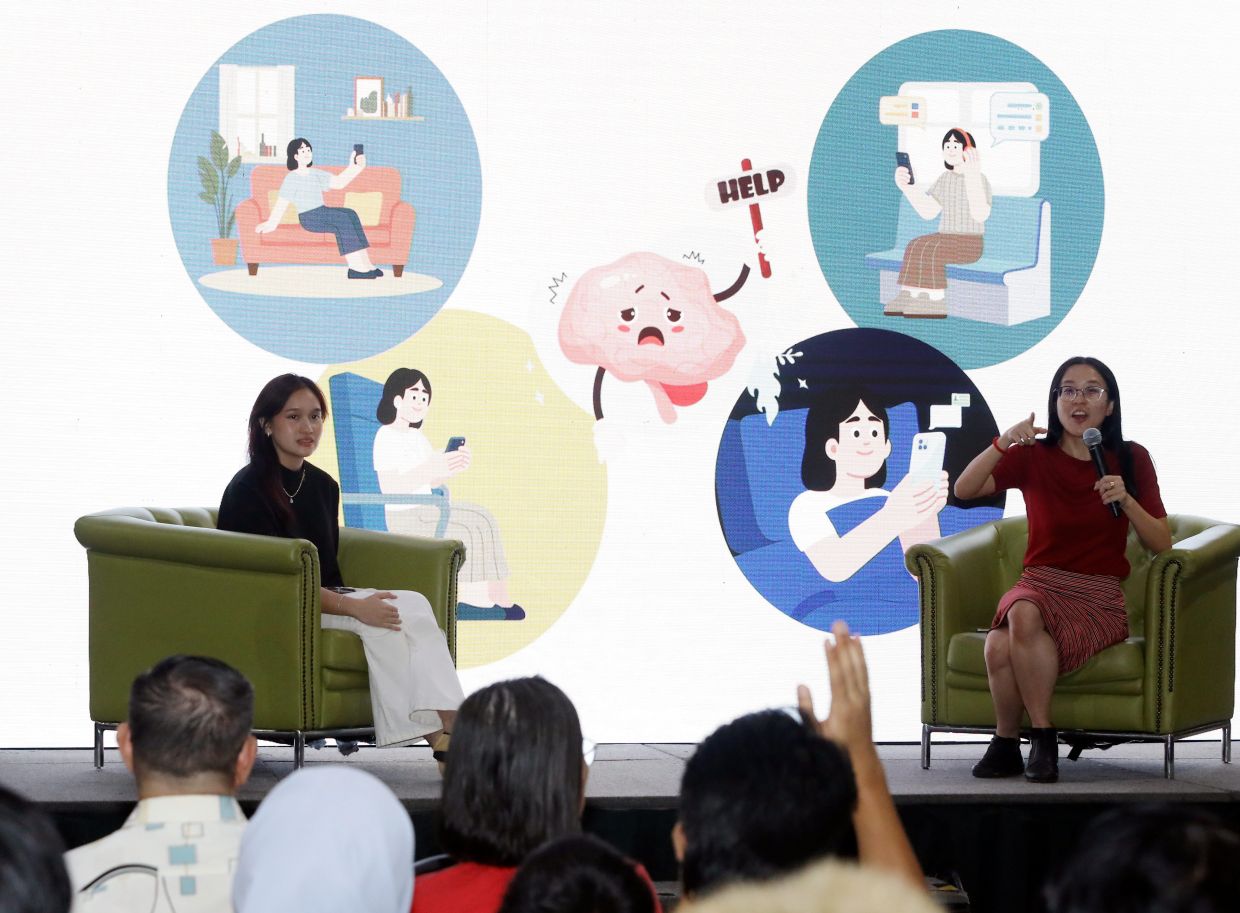
Doomscrolling is often less about relaxation and more about mental exhaustion.
After spending entire days navigating academic pressure, workplace demands, relationships and emotionally-taxing interactions, many people turn to their phones as a form of low-effort escape.
“At that point, your brain becomes tired and you no longer want something that requires effort – you want something rewarding and easy,” Tan said.
“It’s easy to just grab your phone and open social media, so instinctively, you turn to it.
“When this happens repeatedly over days or weeks, it eventually becomes a habit.”
However, she warned that mindless scrolling does not actually help people recover from tiredness.
Instead, blue light exposure from phones stimulates the brain and keeps it in a heightened state of arousal.
Depending on the type of content consumed, social media may also keep the brain trapped in a cycle of stress and anxiety, particularly when people are exposed to negative content.
The result is a pattern where people feel mentally fatigued, seek relief through scrolling, only to become even more emotionally exhausted afterwards.
ALSO READ: How to stop that doomscrolling
More than workplace burnout
Beyond doomscrolling, the speakers also challenged the misconception that burnout only stems from work. 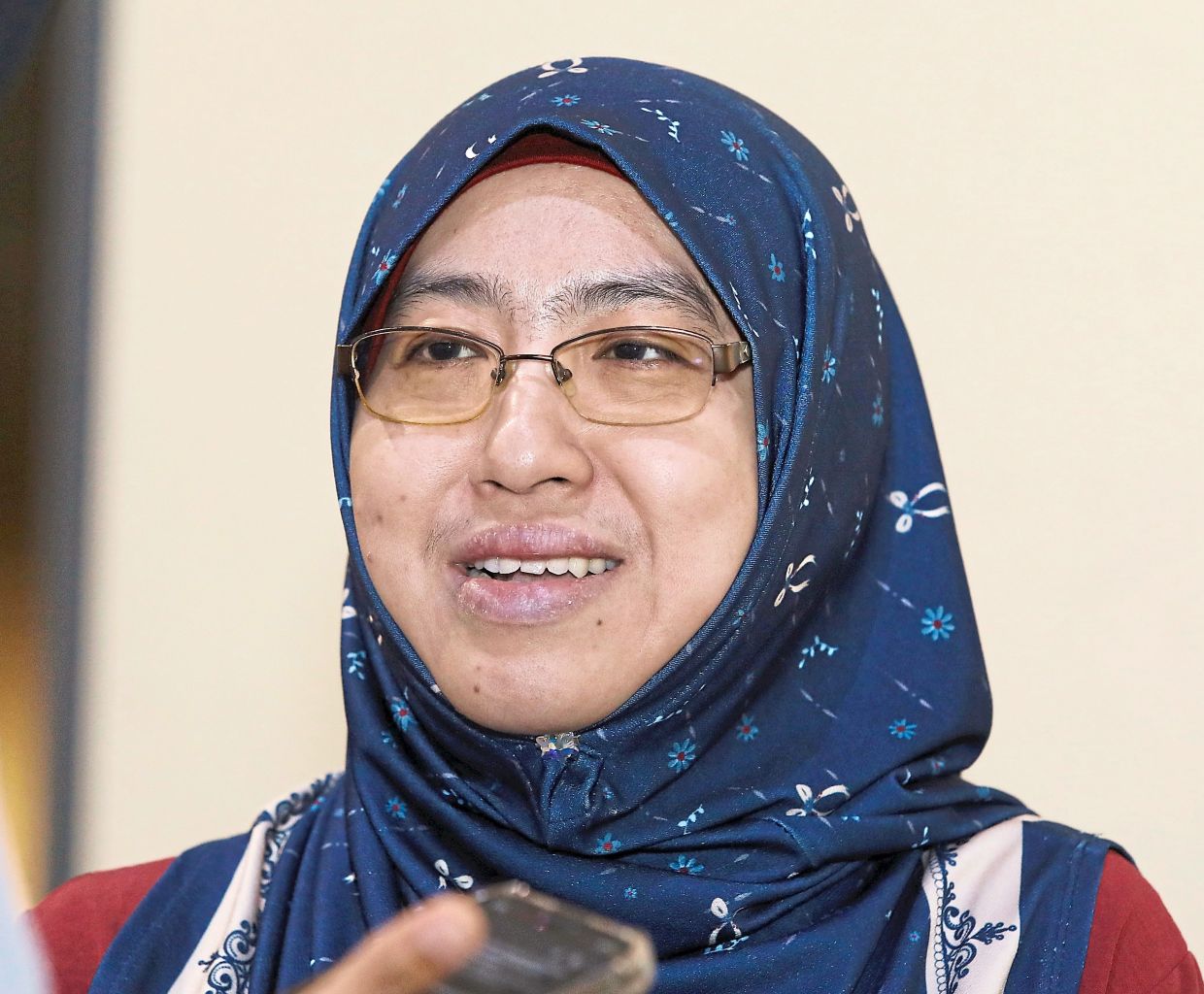
“Burnout can also come from family environments, especially when there are toxic communication patterns,” Tan explained.
“It can stem from constantly dealing with financial stress or other chronic pressures in life.”
In many cases, constant exposure to social media posts, news and online content may prolong stress and negatively affect emotional well-being.
“That is why it is so important to use social media and technology intentionally,” she said.
“The way we engage with digital platforms can either help maintain our emotional well-being or negatively affect it further.”
She also warned against allowing social media to define self-worth through likes, social status, achievements or financial success. “These online metrics should not define our self-worth,” she said.
A bit of distancing
To help build healthier digital habits, Tan and her colleague Nyawa Organisation admin lead Elysya Syazani Mohd Zaini introduced several practical strategies aimed at encouraging more intentional technology use, rather than complete disconnection.
Elysya shared a simple concept called “pause and think”, which encourages people to briefly stop and reflect before instinctively opening apps or responding to notifications.
Questions such as “Why am I opening this app?”, “How will this make me feel?” and “Would it make us feel better or are we on autopilot?” were encouraged to build greater self-awareness around digital habits.
“Based on research, if we pause and wait for about 60 to 90 seconds, the intensity of the impulse may naturally decrease,” she said.
Other recommendations included creating phone-free zones at home.
Tan explained that while it may not be realistic for some people to place their phones in another room while sleeping, especially if they use them as alarms, small adjustments can still make a difference.
“For instance, instead of placing the phone right beside your bed, put it slightly further away and keep it on silent mode whenever possible,” she said.
“That way, your attention and sleep are less likely to be disrupted.”
She also encouraged people to spend time without gadgets during walks, commuting or exercise.
“When we are fully present in the moment, our attention is less likely to be hijacked by constant external stimulation,” she said.
Be aware of stress
Besides reducing digital distractions, the speakers also highlighted the importance of becoming more aware of physical signs of stress.
Elysya noted that stress often appears in the body before people consciously recognise it.
“Your shoulders may feel tense or stiff, you may clench your fists while walking, your feet may feel sore, or your jaw may clench without you noticing,” she said.
“These are often signals that our bodies are carrying tension or prolonged stress.”
However, she noted that many people only acknowledge stress when it becomes overwhelming.
To help manage this, she introduced a technique called Progressive Muscle Relaxation (PMR), which aims to reduce stress and anxiety.
“Sometimes, we do not realise how much stress we are carrying until we intentionally release it,” she explained.
During the session, participants were guided through a short breathing and muscle relaxation exercise involving the shoulders, legs, feet and hands.
“The purpose is first to tense the body and then intentionally release that tension,” she said.
“That release is what helps relieve the physical tension stored in the body.”
Participant reflections
Fresh graduate Saif Ali Shaikh attended the session to better cope with anxiety and imposter syndrome.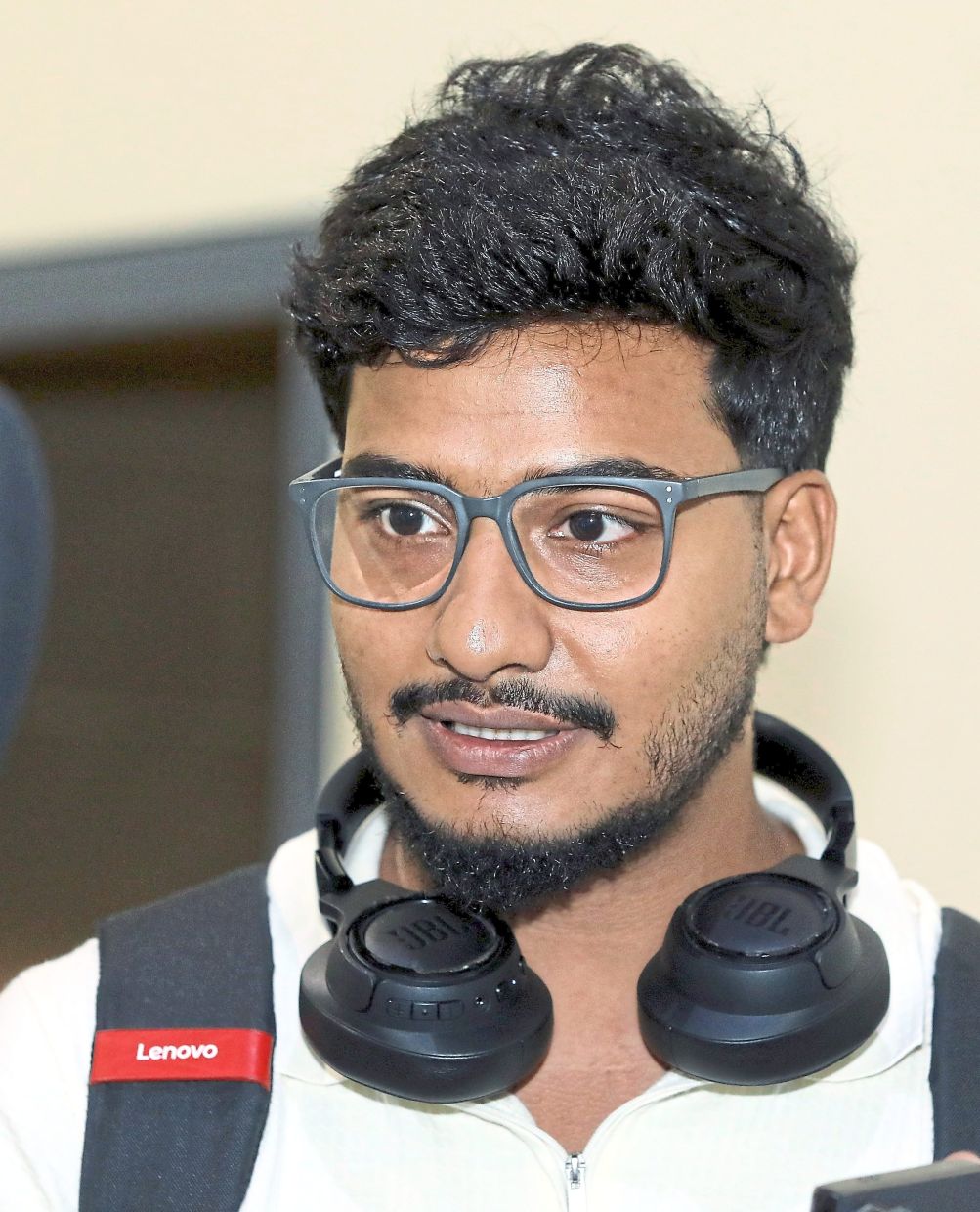
“I wanted to hear suggestions and coping strategies from the panellists, and they shared some really wonderful insights,” he said.
The 26-year-old particularly related to the advice on staying calm during stressful situations.
“Even when you are experiencing burnout or stress, it’s important to stay calm, breathe deeply and not panic,” he said.
He also found the PMR exercises introduced during the session practical and useful for managing future stressful situations.
Meanwhile, Universiti Malaya student Teow Zhong Zhen shared that balancing academic responsibilities and extracurricular activities could often be overwhelming.
“We deal with multiple assignments at the same time, a lot of multitasking, and that itself becomes very stressful,” he said.
“On top of academics, we also have projects, events and activities outside the classroom.
“So I think learning how to manage stress is important not only when entering the workforce, but even before that.”
The 21-year-old said the discussion surrounding doomscrolling resonated strongly with him.
“Before continuing to scroll endlessly or picking up the phone repeatedly, we should pause and think: is this content actually important or useful to us, or are we just scrolling for entertainment?” he said.
For teacher Adnin Ishak, 45, the session served as a reminder that burnout can affect people at different stages of life and work.
Having worked in education for more than 20 years, she shared that she previously experienced severe burnout more than a decade ago.
“That’s why I came here; to refresh my mind, learn new perspectives and discover new approaches to managing stress and burnout,” she shared.
Adnin recalled taking a two-year study leave at the time to recover.
“That period helped me recover and reset myself,” she said.
She added that similar programmes should be expanded to schools and educational institutions, as burnout remains common among teachers and education staff.
“If programmes like this could be organised for schools or educational institutions, I believe it would really help,” she said.
Organised by the Star Media Group in partnership with the Nyawa Organisation, the workshop was held during the MyStarJob Fair at the Mid Valley Exhibition Centre in Kuala Lumpur.