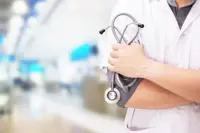
Getting rid of your expired medicines properly


Please don't just throw away your unwanted or expired medicines in the rubbish bin as it can harm the environment. — 123rf.com

Malaysians are a wasteful bunch.

Whether it is plastic, food, chemicals or other discards, the majority of us do not give too much thought as to how and where we dump our litter.

This is despite knowing its harmful effects on the environment.

The same goes for throwing medications – if we no longer need them, we carelessly toss them into rubbish bins or flush them down the toilet.

When unused or expired medications are discarded into landfills or sewage, their active ingredients may eventually leak into surface water, contaminate the environment and disturb the ecosystem.

Many studies have shown that the effect of “medicating the environment” is causing a gender change in the next generation of amphibians.

Male frogs are turning female from being exposed to higher levels of oestrogens.

To assess public knowledge on safe medication disposal, a nationwide pilot study was jointly conducted in June by the International Medical University, Monash University Malaysia and Alpro Pharmacy.

Out of the 482 respondents surveyed, preliminary results reveal that:

  • 83.2% were aware that improper medication disposal had effects on the environment and ecosystem
  • 68.9% admitted to disposing medications in rubbish bins
  • 66.4% had never been told how to dispose of medications properly, and
  • 63.5% thought community pharmacies were a convenient place to dispose of unused medications.

The respondents, who averaged 41.2 years old, were asked to fill up a questionnaire when they walked into the participating pharmacy.

The full results of the study are expected to be published early next year (2022).

Expensive effort

“From this result, we know that most Malaysians are aware that improper medication disposal has negative effects, but they just don’t know the correct way of disposing them.

Having medication disposal bins in community pharmacies is one way of making it easier for consumers to get rid of their unused medications properly, rather than having to go to a public hospital. — Photos: Alpro Pharmacy

“Despite the increase in medication consumption year by year, medication disposal is an issue that has been neglected by all parties – from the government to non-governmental organisations, pharmacies and the community,” says pharmacist and Malaysian Community Pharmacy Guild (MCPG) deputy president Lee Yin Chen.

In 2010, the Health Ministry’s (MOH) Pharmaceutical Services Division implemented the Return Your Medicines Programme where medicines that were no longer needed could be returned to the pharmacy counter or medicine return boxes provided at all MOH hospitals and health clinics.

However, the current status or success of the programme is not known as attention has since been diverted to other concerns, such as the raging Covid-19 pandemic.

“The problem with this programme is that there is no proper publicity or education on how to do this,” Lee points out.

“Some MOH hospitals only take medications dispensed by them, i.e. if you bring the medication which you obtained from somewhere else, they don’t accept it, so the patient just ends up throwing it in the trash.

“Some people pour liquid medicines down the drain or into the toilet, but remember that waste water treatment does not remove medication residue in sewerage.

“You’re not supposed to just throw medications, but burn them under a controlled environment, in an incinerator.”

One of the reasons very few organisations are taking the initiative to spearhead safe medical disposal practices is due to the cost.

“It is not cheap,” he shares.

“For every kilogramme disposed, the price is about RM5 to RM8, so if you have a lot of medicines to dispose, the cost is going to be huge.

“For the government, it is their responsibility, but for private organisations, there are no commercial benefits, so no one wants to do it.”

Every month, more than 50 tonnes of pharmaceutical products are collected for disposal by hazardous waste management expert Kualiti Alam Sdn Bhd.

The company owns and operates the sole hazardous waste management centre in the country, located in Bukit Pelanduk, Negri Sembilan.

These waste products include medicines, syringes, blood bags, tubes, urine bags and more, from pharmaceutical companies and public and private hospitals nationwide.

Not recyclable

The most used type of drugs in Malaysia are those that treat high blood pressure. — TNS


According to MOH’s 2016 statistics, the top three utilised drugs/chemical substances in the public/private sector were for high blood pressure (hypertension), diabetes and heart failure.

However, many patients fail to adhere to their prescribed drugs and it ends up in the trash.

Among the factors that contribute to excessive medicines in a patient’s keeping are:

  • A change in treatment
  • Stopping of treatment
  • Non-compliance to medications
  • Death of patient, or
  • Obtaining the same medicines from various sources (i.e. poly- pharmacy).

Unlike food, paper and other items, unused and non-expired medicines cannot be recycled.

Lee says: “If we don’t use it, it’s really a waste.

“Medicines are sensitive to heat, light and humidity.

“When the patient keeps medicines at home, we don’t know the environment they are keeping them in – it could be a refrigerator (this is wrong), in a bag, in a box, in the car – all this will affect the efficacy of the drugs, and we cannot take a risk and offer it to someone else.

“That’s why we have to dispose them – safely.”

Many people are under the impression that if medicines are refrigerated, they will last longer.

This is a fallacy.

He explains: “Unless specified on the box, you should never put syrups and tablets in a refrigerator, but store them in a cool place protected from light, heat and humidity.

“If you refrigerate, then just take out the needed amount of syrup; the tendency for Malaysians is to keep the bottle out in room temperature for a while so that it’s not too cold in the mouth.

“Our humid air will cause condensation inside and outside the bottle; this brings unnecessary contaminants into the syrup so its expiry date will actually shorten.”

Once the bottle is opened, you should finish it within seven to 14 days and discard it thereafter, even if the expiry date is a long way off.

“The same thing goes for eye drops, and we should be even stricter in how we store and use it, as our eyes are fragile and can become infected easily,” says Lee.

“For tablets: they will absorb moisture from the air and soften if you keep taking them in and out of the refrigerator.

“The chemical structure of the drug will change.”

Joint effort

Three years ago, MCPG collaborated with about 30 pharmacies in Penang to carry out proper medication disposal.

Customers found this was easier to do than to cart their unwanted medicines to a hospital, which could be inaccessible.

However, Lee, who is also Alpro Pharmacy’s director of branding, promotion and trade marketing, says response has not exactly been overwhelming as there is no incentive from the government to support ongoing efforts by community pharmacists.

Therefore, continuing the project is proving to be challenging.

But after the pilot study, the pharmaceutical community feels that they have a social responsibility to provide this service.

“Even before the study, we thought of this, but the study reaffirms we should do something.

“We all think it is common sense to dispose of medications properly, but for a lot of people, it isn’t common – especially since there are no proper avenues to do this.

“The government should work with the community pharmacies instead of only offering the service at public hospitals,” he says.

Hence, to bridge the gap, Alpro Pharmacy, which is the country’s biggest prescription pharmacy, started providing this service nationwide last month – around 140 of its outlets are now equipped with medication disposal bins.

All you need to do is scratch out your name from the label, remove the boxes and strips – as they are space-consuming – and drop them inside the bin.

Supplements and vitamins can also be disposed here as they might contain minerals that can be destructive to the environment.

Don’t do this

Lee recommends that patients, especially the elderly, do a medication review with a pharmacist at least twice a year to ensure that they are utilising the right medications correctly.


All consumers and healthcare professionals have a role to play in this matter.

Lee offers some advice for consumers: “Do a medication inventory check at home every month.

“Often, we never check the expiry date and medications may remain in their storage place for years!

“Do not keep unused medicines at home without proper storage as medicines can be dangerous to kids, pets and the elderly.

“Label them properly with the patient’s name and what ailment it is for.”

Accidental exposure to medicine in the home is also a major source of unintentional poisonings.

This could involve accidentally taking another person’s medicine, especially if it is not labelled correctly, or accidental swallowing by children below five years of age.

“Malaysians have a bad habit of med-sharing.

"The prescription is for one child, but the parent gives the same medicine to another child when he or she falls sick.

“I even see cases where the husband has hypertension, and now the wife is also diagnosed with the same ailment, and he says, ‘Why don’t you try my medicine and see if it works’,” he says in disbelief.

Sharing is definitely caring, but in this instance, it could cause a lot of confusion and complications.

Patients, especially the elderly, need to do a medication review with the pharmacist at least two or three times a year.

They can either bring all their western/traditional medicines and supplements, along with their medical reports, to the pharmacy, or the pharmacist can go over to their homes.

Lee says: “We find that many of them are not currently taking certain medicines, but they don’t know what to do with them.

“If you ask them to throw their medicines away, they don’t know where to throw them, plus they think it’s a waste because they may have paid for these drugs or feel they might need them in future.

“But the fact is, they don’t even know what the medication is for!”

Public hospitals usually provide medications for three months, so a lot of patients bring back large amounts of drugs, but they don’t follow the regime prescribed by their doctor.

Instead, they become their own doctors and change dosages, so they end up having a balance before their next appointment.

“They will never tell the healthcare professional they have extras for fear of being scolded and just continue taking their supply,” he says.

“When they realise they have too much, they will give it to others or throw it away.

“If you don’t need much medication, then please don’t take them, even if they are free – it’s not the case of the more the merrier!”

For doctors, Lee suggests they prescribe medicines only when they are truly needed.

“They should also educate patients by telling them how to handle their medications and proper disposal methods,” he says.

Generally, no one should have an ample stock of medicines at home – so stop hoarding!

A healthy individual should only keep cough, cold, fever and pain medications, in addition to a first aid box for simple wound care.

But don’t forget to check their expiry dates regularly, and dispose of the expired dugs properly!

Get 20% OFF The Star Digital Access

Monthly Plan

RM 13.90/month

RM 11.12/month

Billed as RM 11.12 for the 1st month, RM 13.90 thereafter.

Best Value

Annual Plan

RM 12.33/month

RM 9.87/month

Billed as RM 118.40 for the 1st year, RM 148 thereafter.

Follow us on our official WhatsApp channel for breaking news alerts and key updates!
Medicine , drugs

Next In Health

When water takes lives�
What is a head spa?
How elections can affect our emotions
Nutrition during the golden years�
When you're trapped by an earthquake
No, creatine won't make you go bald
Doctors, please treat the woman, not just her cancer
Rabies reemerges in Europe due to disruptions in wildlife vaccinations
Pack these essentials when you're working out outdoors
Faking an illness to gain sympathy

Others Also Read