
Based in China, Malaysian designer Philip Yap aims to propel our local furniture design industry to the global level using Malaysian timber resource.
To regular visitors, the showcase called Designing With Malaysian Hardwoods set out on the main stage at Putra World Trade Centre in Kuala Lumpur last week, might look like any other collection.
However, delving deeper, the showcase holds much more purpose and beauty.
The creative work of China-based designer and business consultant Philip Yap, the N°1 Collection in the showcase, is a collaboration between him, the Malaysian Timber Council, and the Malaysian International Furniture Fair (MIFF) 2015.
“N°1” represents “new” or the “first” collection, although Yap humbly adds that it doesn’t necessarily represent the “best”.
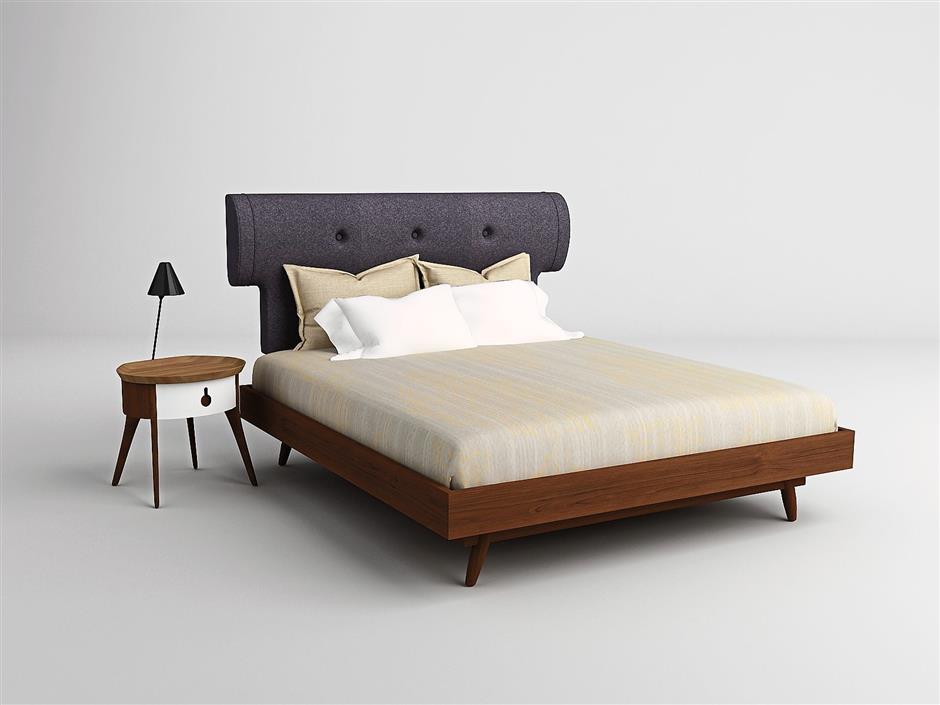
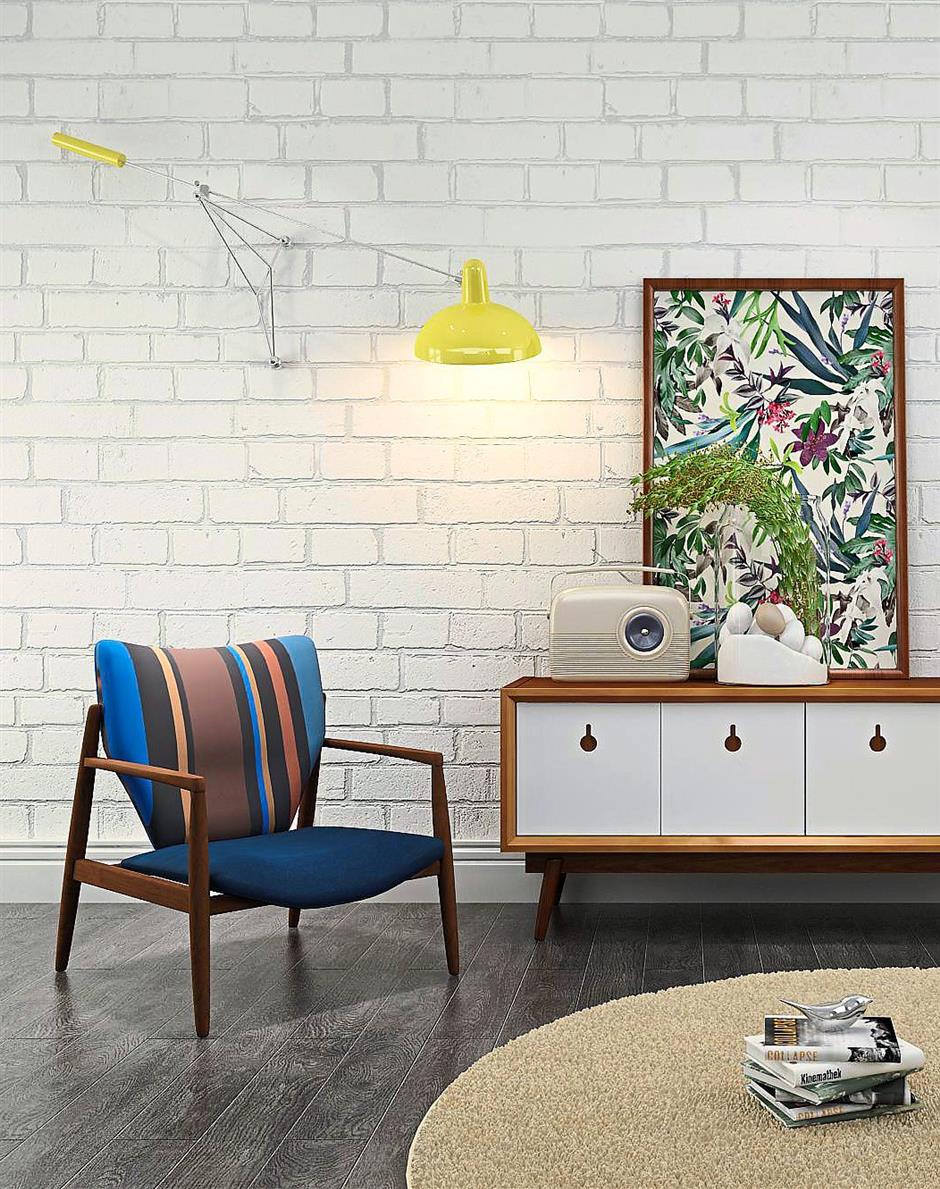
The collection, which utilises local Sepetir hardwood, is influenced by mid-century Scandinavian style. The furniture pieces feature colourful, broad-striped fabric and geometric-designed textile for its chairs and sofas.
“We are presenting designs with a retro, Scandinavian influence but with nice Malaysian timber in almost pristine condition. Many consumers who like products of such range will appreciate this natural, unspoilt condition of the material. It’s important for Malaysian designers to introduce our resources at their fullest (potential),” says Yap, 49, when met at the MIFF 2015 in Kuala Lumpur last week.
Mid-century, namely the 1950s and 1960s, was the period when the Scandinavian region began prominently influencing the furniture industry.
“In the collection, we added modern finishings like front panels with simple handles to reflect a retro yet current style combination. So the title of the collection is ‘The Return to the Recent Past’. We still see those designs in our minds, in the environment, in movies, magazines, and so on,” says Yap, who is also the chief judge in the MIFF Furniture Design Competition 2015.
“This style appeals to the younger generation and has the essence of simplicity and timelessness,” says Yap, who owns design studios in Shanghai and Zhongshan and intends to launch the collection as the house collection there.
He adds that Malaysian designers need to introduce the unique species of tropical Malaysian hardwood resources and blend them with stylish designs in their work.
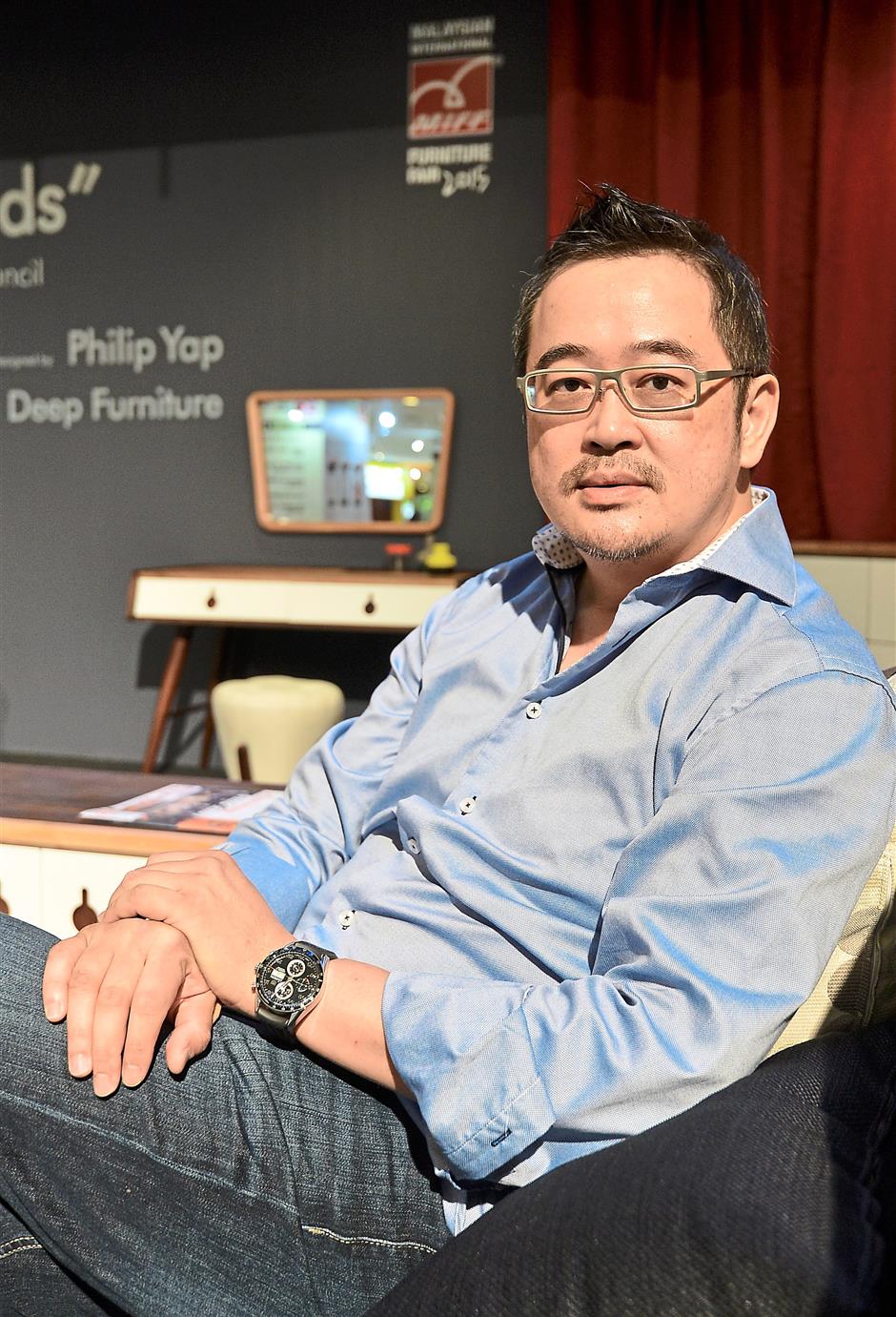
“Malaysian-made furniture has been very much associated with rubber wood, or rather low-range material, but on the other hand, we are exporting quality timber for other countries to make good products. It is time for Malaysia to introduce global designs with Malaysian resources,” he emphasises.
He feels strongly that Malaysian designers have an edge in design because of their multi-cultural environment.
“As a designer, I don’t restrict myself to one style of design. Once an Italian designer friend asked me, ‘Philip, what is your style?’ I said my style is to challenge different styles.
“We grew up in a multi-cultural society. We are very sensitive to other people’s cultures. In school, we had friends from different ethnic groups. As adults, when we travel, we can adapt to other people’s cultures much easier than those from single ethnic group communities.
“That’s why I believe Malaysia should not have any shortage of good designers, as we come from this multi-racial background. Being well-versed in different languages also helps us live in and enjoy, even for a short while, different cultures, which gives us an understanding of important elements to design various styles of furniture. And that is something uniquely Malaysian,” he adds.
In 2012, Yap’s company was named the Top 10 Excellent Furniture Design Firm by the China National Furniture Association. In 2011, he was also accorded the Top 10 Design Contributor by the Guangdong Furniture Association.
“The requirement to come up with good collections these days is no longer limited to just one single, disciplinary design practice in furniture design.
“We are not just introducing a table, but a collection that comes with a certain lifestyle which creates atmosphere to home living. This means interior designing comes into the picture.
“In fact, when it comes to selection of fabric and colour, people with a fashion design background tend to give better, more exciting choices,” says Yap, who has been based in China since 2004.
As chief judge for the design competition for the second year at MIFF, Yap has tuned the competition to the theme, Living Furniture, Global Perspective.
“The reason is to encourage young talents to build their relationship with furniture, before they even embark on design,” says the visiting professor at Beijing’s China Academy of Art.
“It is not so much about research or technicality. First, you have to have this intimate relationship with furniture, inculcate a sensitive touch to material, and know how to enjoy the level of comfort you are creating, hence the words, ‘Living Furniture’,” says Kuala Lumpur-born Yap, adding that designers also have to now design for the global market in mind.
The Malaysian Institute of Art graphic design graduate gave his view about this year’s MIFF Design Competition, in its sixth edition, which is open to designers under the age of 30.
“There is definitely passion from all the entries and I think we are on a better track of grooming young designers towards designing global styles, rather than having a Malaysian identity in furniture.
“We want to make designs that sell, and we want to train students to see what sells and what doesn’t, to blend aesthetics with marketibility. That’s the purpose of the competition,” shares Yap, who, prior to going to China, was an advisor to the Furniture Design Training Centre, which is supported by the Malaysian Furniture Promotion Council (MFPC) and Malaysian Furniture Industry Council (MFIC).
He reiterates that Malaysia needs to make better use of its rich natural timber resource for the mid- to high-end market, adding that Malaysia is 60% covered with timber and has many types of plantation wood such as acacia.
“We have to go up. We cannot keep producing price-competitive furniture, as there will be little room for design investment, preventing the design industry from flourishing, and discouraging designers in making a career out of it.
“Malaysia has the potential to break the barrier, to develop our own brands, market the product ourselves, and move from OEM (original equipment manufacturer) to OBM (original brand manufacturer). I also see the potential for more Malaysian products building up new market segments and business models in China, the largest consumer market in the world,” he says.
Already a subscriber? Log in
Get 20% OFF The Star Digital Access
Cancel anytime. Ad-free. Unlimited access with perks.