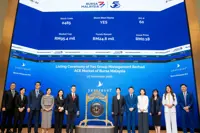
KUALA LUMPUR: Syarikat Takaful Malaysia Keluarga Bhd (Takaful Malaysia) expects growth prospects for the takaful and insurance industry to remain positive despite external headwinds, with further growth opportunities in selected market segments.
The group said inflation and cost-of-living pressures remain key factors influencing consumer spending decisions, while ongoing conflicts in the Middle East and their impact on oil prices continue to pose risks to the global economy.
In the healthcare segment, the launch of MediAsas in early 2027 is expected to remain on track.
The group said it would participate in the initiative, which aims to provide medical coverage to the public at affordable entry prices.
"The group's strategic objectives are aligned with the emerging considerations in the takaful industry, where price and value are top of mind for consumers," it said in a filing with Bursa Malaysia.
Takaful Malaysia said its family regular contribution business has recorded growth of more than 30% and is increasingly becoming a significant source of new business growth.
Meanwhile, its digital platform, Kaotim, has expanded the group's digital distribution capabilities and market reach since its launch three years ago.
The group remains focused on maintaining a strong capital position to support its growth plans.
In the third quarter ended Sept 30, 2026, Takaful Malaysia's net profit rose 10.8% to RM127.9mil from RM115.4mil a year earlier.
Revenue increased 25.2% to RM1.32bil from RM1.05bil, while earnings per share rose to 14.66 sen from 13.25 sen previously.
For the nine-month period, Takaful Malaysia's net profit rose 8.1% to RM317.7mil from RM293.8mil, while revenue increased 12.9% to RM3.6bil from RM3.19bil.
Takaful revenue grew 14.3% to RM3.14bil, while family takaful revenue increased 13.8% to RM1.85bil, mainly driven by higher contribution releases from the employee benefits segment and higher amounts charged for takaful coverage.
Profit before zakat and taxation increased 6.4% to RM497.8mil from RM468mil, mainly supported by stronger takaful service results from its short-term businesses.
The improvement was partially offset by weaker investment performance and financing costs arising from its sukuk issuance.