PETALING JAYA: Malaysia’s growing focus on medicine security is expected to support long-term growth for local drugmakers, as an ageing population and rising healthcare demand put greater pressure on the country’s medicine supply.
In a report, CGS International (CGSI) Research said the government’s emphasis on strengthening domestic manufacturing capabilities, securing medicine supplies and improving healthcare affordability could create a more favourable operating environment for local pharmaceutical companies.
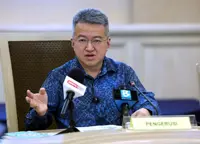
The research house said it had turned “more positive” on the industry’s long-term prospects following the Health Ministry’s PharmaView Expert Series 2026 on Oct 13, which brought together policymakers and industry players to discuss medicine security, affordability and healthcare innovation.
It said the government’s efforts to expand domestic pharmaceutical manufacturing were particularly encouraging for Duopharma Biotech Bhd , which is undertaking two facility expansions scheduled to begin operations in the financial years 2029 and 2030, respectively.
The expansions are expected to strengthen the country’s pharmaceutical supply capacity, CGSI Research said.
However, CGSI Research noted that the Health Ministry had no immediate plans to localise the production of active pharmaceutical ingredients (APIs), despite Malaysia’s heavy dependence on imported inputs.
It said this reliance had become more apparent amid geopolitical tensions in the Middle East, which could affect the supply of petroleum-derived APIs and related pharmaceutical products.
“We appreciate that current policy efforts appear to give more urgency towards expanding domestic downstream pharmaceutical manufacturing capacity rather than upstream API production,” it noted.
These efforts include closer collaboration with industry participants, healthcare professionals and investors to attract investment and increase local production.
Meanwhile, CGSI Research said wider adoption of generic medicines and biosimilars would be crucial to keeping healthcare affordable as demand for treatment continues to rise.
Against this backdrop, the research house said the Health Ministry had emphasised value-based procurement, risk-sharing arrangements and alternative financing mechanisms to balance patient access with prudent resource allocation, while ensuring healthcare remained affordable over the long term.
It maintained its positive outlook on the pharmaceutical industry, in line with its “overweight” call on the broader healthcare sector. It said the growing emphasis on medicine security, supply resilience, healthcare affordability and wider generics adoption reinforces the importance of domestic pharmaceutical manufacturers.