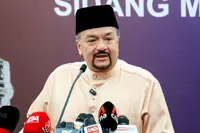
KUALA LUMPUR: Malaysia's monthly fuel subsidy bill climbed to as high as RM7.5 billion at one point in April, as tensions in West Asia pushed up global oil prices and heightened concerns over energy supplies, Finance Minister II Datuk Seri Amir Hamzah Azizan said.
He said the subsidy bill had soared from about RM700 million a month in January and February to RM5 billion in March, before peaking in April, although the amount has since moderated following a decline in oil prices.
"But now with prices coming down and moderating, we're probably looking at about RM3.5 billion-RM4 billion of subsidies," he said during a session titled "Balancing Fiscal Focus with External Risks" at Invest Malaysia 2026 here today.
Amir Hamzah said the government's immediate priority was to ensure uninterrupted fuel supplies to support the economy.
"The economy cannot function if there's no supply," he said.
He noted that Malaysia had thus far avoided supply disruptions partly because it is a net energy exporter, while national institutions and oil companies were able to secure supplies through their global networks.
Amir Hamzah said reforms implemented over the past few years had also helped strengthen the country's ability to withstand external shocks and manage rising subsidy costs.
Without the reforms, the government would be facing subsidy costs higher than RM10 billion, he said.
He said the government has continued to balance fiscal sustainability with measures to protect vulnerable groups and maintain economic activity, while ministries have also undertaken more efficient spending practices to help manage public finances.
Speaking to reporters later, Amir Hamzah said subsidy pressures have begun to ease as global oil prices retreated from earlier highs.
He said oil prices had declined from about US$120 per barrel to between US$90 and US$98 this month, which helped to ease pressure on subsidy spending.
He added that the government will maintain the current quota and subsidised fuel price under the BUDI MADANI fuel assistance programme. - Bernama