
PETALING JAYA: Deal-making activities, including fund raising and mergers and acquisitions (M&As), have seen a slight slowdown in activity this year, largely due to companies taking a wait-and-see approach amid ongoing uncertainties.
This is according to Citi, which notes that although some of its clients were looking to raise funds, they were holding back on their exercises if they did not urgently need capital.
“Some clients that do not urgently need to raise capital are biding their time, waiting for the right window of opportunity and there was some of that at play during the first quarter (1Q).
“Also, the events in the Middle East did cause some transactions to be paused, which was pragmatic,” said Citi Japan, Asia North & Australia and Asia South head of investment banking Kaustubh Kulkarni.
According to GlobalData, a London-based data analytics company, the total number of deals (comprising M&A, private equity and venture financing deals) in the Asia-Pacific region contracted by 6% year-on-year (y-o-y) during the early months of 2026 amid heightened economic challenges and shifting investor priorities.
In terms of deal types, GlobalData said the total number of M&A deals announced in the Asia-Pacific region fell by 32% y-o-y in that period, while private equity deals volume reduced by more than half.
Meanwhile, venture financing deals volume registered a growth of 28% y-o-y.

Areca Capital Sdn Bhd chief executive officer Danny Wong said while deal activity is expected to remain steady looking ahead, it will be selective, in terms of sector focus and flight-to-quality.
Wong said the momentum last year was strong, but geopolitical tensions lately (especially in the Middle East) are slowing decision-making and extending deal timelines.
“This is due to factors like capital flows to this part of the world (partly from the Middle East and developed nations). Further, among Asean countries, funds are being reallocated toward more stable, execution-friendly markets,” he said.
Wong opined that Malaysia is well positioned to benefit from that trend, but must maintain policy consistency to capture those inflows.
“Higher oil prices benefit the country’s fiscal position and currency. The moderate approach is also another positive factor welcomed by foreign investors,” he said, adding that sectors like mid-market tech, data centres, healthcare and manufacturing/services M&As are gaining traction in Malaysia.
Despite the seemingly slowing deal activity in private markets, the domestic public market does not seem to be short of activity.
In the first few months of 2026 alone, RM4.19bil has been raised from the market from as many as 13 new initial public offerings or IPOs (excluding LEAP Market listings).
Among the larger listings include Sunway Healthcare Holdings Bhd and MTT Shipping and Logistics Bhd. Notably, consumer sector deal activity has been robust, as seen in the listing of Empire Premium Food Bhd.
More are in the pipeline, including ZUS Coffee and KK Mart Retail Bhd, where listings are also expected to facilitate shareholder exits.
Against the backdrop of the ongoing geopolitical unrest in the Middle East, Navis Capital Partners managing partner Nicholas Bloy said that it is “business as usual” in terms of fund-raising activity on Bursa Malaysia for the private equity firm, with some minor adjustments to their M&A activity.
“We continue to buy and sell as normal but of course our buying is more focused on defensive domestic sectors such as healthcare, food and education, rather than, say, companies exporting to the United States or the European Union which are facing some headwinds,” he told StarBiz.
While the near-term outlook looks cautious, Kaustubh is optimistic that deal activity will pick up in the 2Q of 2026. He said the group continues to see M&A interest from multinational corporations (MNCs) entering the region, as well as from the region’s growing breed of corporate champions looking to expand further.
“We have seen several billion-dollar transactions in recent weeks that Citi advised on, such as the Royal Challengers Bengaluru transaction in India. More broadly, we are advising clients to be ready and prepared to move fast if windows open that offer strong financing opportunities,” Kaustubh said.
The drivers of deal activity in Asean and Malaysia mirrors global trends, Citi’s Kaustubh said, particularly the focus on future-proofing businesses for the impact of artificial intelligence (AI) and ensuring supply chains are robust and diverse. This is creating opportunities across both financing and M&As.
“Malaysian MNCs continue to tap global capital markets too, for opportunistic cost-effective financing,” he said.
Comparing with regional peers like Indonesia, Vietnam or Thailand, with regards to investor appeal, Kaustubh said Malaysia is well positioned in the global tech supply chain where equipment makers, chip designers, testers, construction companies and power producers are benefitting from the inflow of foreign direct investment (FDI).
The country also plays a “very critical role” in benefiting from the need of massive AI compute in Asia. Kaustubh noted that companies are hugely scaling up data centres in Malaysia, necessitating a huge jump in financing requirements which will ultimately lead to more M&As.
“Despite ongoing uncertainties, I am confident of the future of this region. Malaysia is a key destination for FDI, with US companies being a main contributor. Several European and Asian countries have also been increasingly investing in Malaysia,” he said.
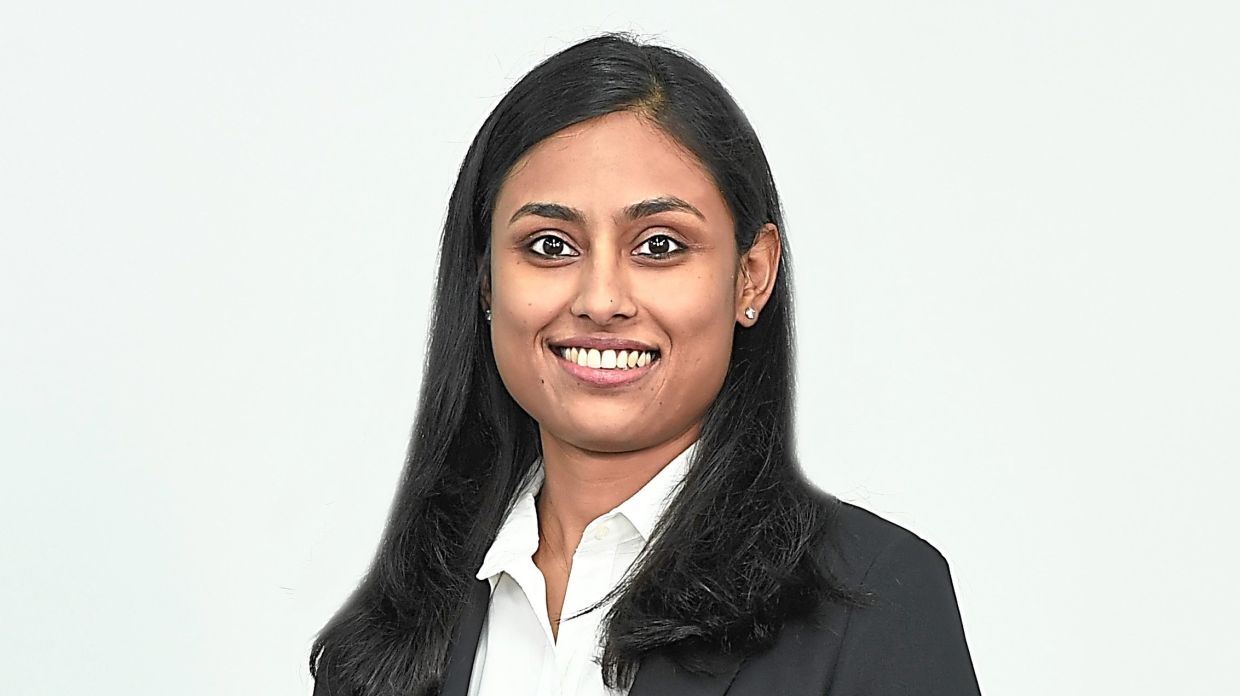
OCBC senior Asean economist Lavanya Venkateswaran said Malaysia’s appeal to investors is underpinned by its relative resilience, which puts the economy in a better position to weather the current geopolitical uncertainty from the Middle East.
In particular, Lavanya said the country’s reforms over the past three years are bearing fruit and have provided the authorities some fiscal space to manoeuvre, allowing subsidies to remain in place.
“For instance, Vietnam is in a similar position to Malaysia where reform momentum was strong prior to the onset of the energy price shock, giving authorities fiscal and monetary policies headroom to deal with the situation.
“By contrast, we see the Thai economy as vulnerable to the ongoing crisis. The authorities are focused on cost-of-living measures from 2023 to 2024, even as global oil prices were normalising, thereby losing an opportunity to create fiscal buffers. The policy room to deal with the ongoing situation therefore is limited,” she said.
Meanwhile, Kaustubh said many of Citi’s clients across South-East Asia are concerned about tariffs and the economic implications from macro events. More broadly though, companies are preparing for a fundamental shift in trade and capital flows.
Chiefly, global investors are recalibrating capital allocation within the region amid rising geopolitical fragmentation.
Kaustubh said for one, the China Plus One strategy has evolved into something “much more complex”. With the proliferation of tariffs, it is no longer just about having one alternative to China, but rather a “China and many more” approach. Malaysia and Asean have been clear beneficiaries of this trend.
“Trade and the macro environment are impacting both the markets and potentially the economy. As such, while market activity is busy, our advice now is stay liquid, be very prudent and keep your capital structure clean. Important opportunities will come up, and they will require financial flexibility and efficient decision-making,” he said.
PwC said in a report earlier this year that M&A is increasingly being shaped by AI-driven strategic considerations, as companies seek capabilities and infrastructure to support digital transformation.
However, the scale of AI investment may constrain dealmaking in the near term, as companies prioritise capital expenditure on AI over acquisitions, before driving a new wave of transactions over the medium term when companies accelerate transformation and seek acquisitions to build or scale AI capabilities.
For 2026, PwC said deal value is expected to remain elevated even as volumes remain muted.