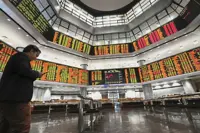
KUALA LUMPUR: Bursa Malaysia is expected to remain cautious this week, with the FBM KLCI to trade within a narrow range as investors evaluate key economic developments, according to an analyst.
UOB Kay Hian Wealth Advisors Sdn Bhd head of investment research Mohd Sedek Jantan noted that the resistance level of 1,590 will be a key threshold to watch, and a breakout above this level could signal renewed buying interest.
However, failure to surpass this level may lead to continued consolidation, he told Bernama.
Mohd Sedek also said economic data, both domestically and globally, would be pivotal in shaping investor confidence and determining the market’s direction.
“In Malaysia, attention will be on the release of the S&P Global Malaysia Manufacturing Purchasing Managers Index (PMI) for February, scheduled for today. This data will be closely monitored as it serves as a key indicator of Malaysia’s near-term economic outlook, especially amid ongoing global uncertainties,” he said.
On the international front, Mohd Sedek said China’s Two Sessions meeting, commencing on Wednesday, would be a key focus for global markets.
He said critical economic data, including China’s official PMI last Saturday, the Caixin PMI today and trade data on Friday, would provide valuable insights into China’s economic trajectory.
“Market dynamics are also anticipated to shift, with investor focus gradually transitioning from the technology and artificial intelligence sectors to real estate, industrials, and raw materials,” he said.
Additionally, investors will also be closely monitoring the United States’ non-farm payroll Friday, as stronger-than-expected data could heighten concerns that the US Federal Reserve may keep interest rates elevated for a prolonged period.
“Such a development could have wider implications for global investor sentiment, potentially leading to spillover effects on Malaysia’s financial markets,” he said.
For the trading week that ended last Friday, the FBM KLCI mostly declined, weighed by concerns over the US tariff policy set to take effect on April 4, raising fears about its impact on the global economy, inflation, supply chains, and investment plans. — Bernama