MANILA: US President Donald Trump claimed the Philippines had agreed to source all its agricultural and energy imports from the United States, but President Ferdinand Marcos Jr. clarified that the proposed deals were intended to diversify the country’s supplies, not replace its existing trade partners.
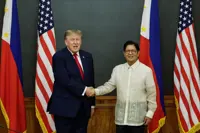
Trump said he pressed Marcos to buy American agricultural products and energy during their bilateral meeting in Manila on Nov. 18, describing the arrangement as part of efforts to eliminate Washington’s trade deficit with the Philippines.
Speaking at a news conference with White House reporters on Friday (Nov 20), Trump recounted his discussions with Marcos during his visit to the country.
“I said, ‘Here’s the deal: You buy 100 per cent of your agriculture from January 1st from our farmers,’” Trump said.
Trump also claimed the Philippines would stop relying on the Middle East for its energy supplies.
“I said, ‘Where do you buy your energy? Should we buy it from the Middle East?’ I said, ‘Not anymore you don’t. You’re going to buy 100 per cent of your energy from us,’” he said.
Trump said he and Marcos had reached a framework agreement aimed at eliminating the US trade deficit with the Philippines by reducing Philippine tariffs on American goods and increasing purchases of US products.
In 2025, the United States recorded a US$8.5 billion goods trade deficit and a US$3.6 billion services trade deficit with the Philippines, out of US$40.9 billion in total bilateral trade, according to the Office of the United States Trade Representative.
Marcos, however, offered a different account of the discussions, emphasising that the proposed arrangements were not commitments to buy all Philippine food and energy requirements from the United States.
Speaking to reporters in Shenzhen, China, on Friday, Marcos said the talks covered increased purchases of American agricultural products, including soybeans and wheat, as well as possible energy imports.
He said the details of the separate food and energy initiatives had yet to be finalised, with government officials coordinating on their implementation.
“The key takeaway there is that he (Trump) opened American markets to the Philippines when it comes to energy and food,” Marcos told reporters.
“Whereas we did not buy from them before, now those markets have been opened to us, allowing us to buy from them,” he added.
Marcos said the Philippines was looking for more affordable sources of food and energy amid supply disruptions and rising prices caused by global conflicts.
The proposed arrangements form part of Manila’s efforts to diversify its trading partners and strengthen the country’s food and energy security. - Philippine Daily Inquirer/ANN