
BEIJING: After spending more than 2 million yuan (US$300,000) on old flats and retiring at 30 on rental income, one young landlord’s decision to switch from rent to dividends has struck a chord across China.
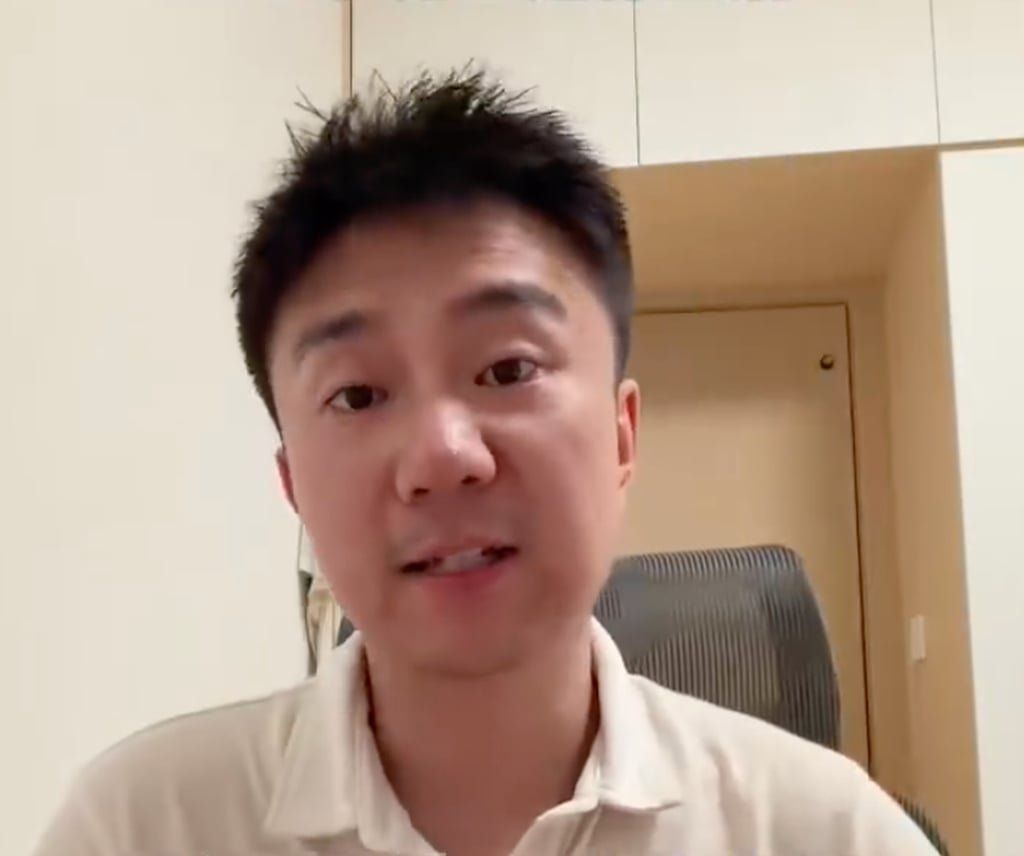
Fan Junjie, originally from Jilin in northeastern China, moved to Changsha for work, where he endured gruelling 18-hour days in internet healthcare sales, according to mainland media outlet Sanlian Life Laboratory.
Having grown accustomed to the high property prices in first-tier cities, he saw ageing flats in downtown Changsha – some costing as little as 300,000 yuan (US$45,000), including renovations – as a bargain.
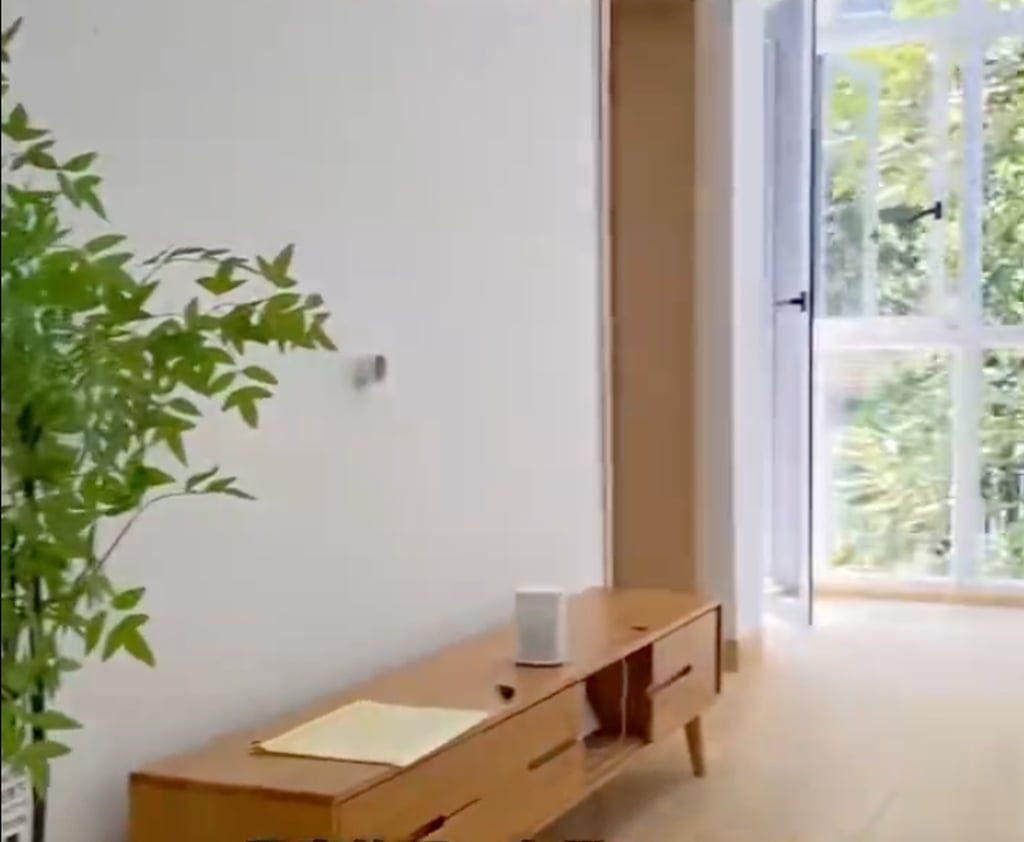
Starting in 2023, Fan embarked on an aggressive buying spree, acquiring 14 “laopoxiao” – cramped, decades-old flats with outdated facilities – for more than 2 million yuan over two years. Eleven are now rented out, generating an estimated 210,000 yuan (US$31,500) in annual income.
He focused on properties near Xiangya Hospital, standardising renovations and keeping spare parts on hand to make maintenance more efficient.
His cheapest flat cost 150,000 yuan and earns 1,700 yuan a month, while his most expensive unit – costing nearly 310,000 yuan in total, including taxes, agency fees and renovations – rents for 2,200 yuan a month.
By 30, Fan had achieved his goal of financial independence, retire early, or FIRE.
But the reality of being a landlord proved less passive than he had expected.
Agency fees, taxes, repairs and the demands of managing tenants gradually eroded the appeal, while falling property prices put his capital at risk.
On October 26, Fan announced online that he would no longer buy property, saying: “The prime window has passed.”
He plans to redirect his money into dividend funds and high-dividend stocks, effectively replacing rental income with investment payouts.
Fan sees little difference between collecting rent and receiving dividends: both generate cash flow from income-producing assets, though neither is free from capital risk.
The key distinction, he noted, is liquidity. Dividend funds can be sold within days, whereas renting out a flat can take weeks from listing to receiving the first payment.
His story has attracted more than 200 million views on mainland social media platforms, reflecting a broader trend among young Chinese investors who are turning to dividend investments to build retirement nest eggs and gain greater financial independence.
People born after 1995 accounted for nearly 40 per cent of dividend index fund users in the first half of this year, up 44 per cent year on year, according to Ant Fortune data.
“Once my dividend payouts exceed my salary, I can quit and live more freely,” one user wrote, describing the income as protection against a toxic workplace.
Still, some analysts caution against treating dividends as guaranteed income. Corporate payouts depend on earnings, while falling share prices can erode investment capital.
Fan has also diversified his finances.
He keeps emergency funds in Yu’ebao, Alipay’s money-market product, while placing money earmarked for expenses over the next one to three years in low-risk bond funds and bank wealth-management products.
Now living and travelling in Laos, Fan cautions that his strategy is not for everyone and that investment decisions should be tailored to individual circumstances.
One online observer commented: “Diversification is smart. Swapping concrete for ticker symbols may rattle older generations, but don’t put all your eggs in one basket.”
Another wrote: “Real estate and stocks share the same pitfall: bad timing can guarantee losses. There is no easy, passive windfall here – investing takes rigorous study.” - South China Morning Post