
Fiercely proud of its culinary traditions, India is increasingly open to foreign influences, with French cooking schools attracting students eager to make their mark on the country’s growing fine-dining sector.
“Ten or 15 years ago, there were far fewer young people dreaming of becoming chefs,” said Aabhas Jain, director of bakery and pastry training at Ecole Ducasse, a French culinary school operating in India.
“But with the rise of social media, today’s students have greater ambitions in this profession,” added Jain, 36, who is also part of the Indian School of Hospitality (ISH) in Gurugram, just outside New Delhi.
In the world’s most populous country, the need for high-end hospitality workers is immense, fuelled by economic growth and the rise of a middle class that travels more and increasingly eats at plush establishments.
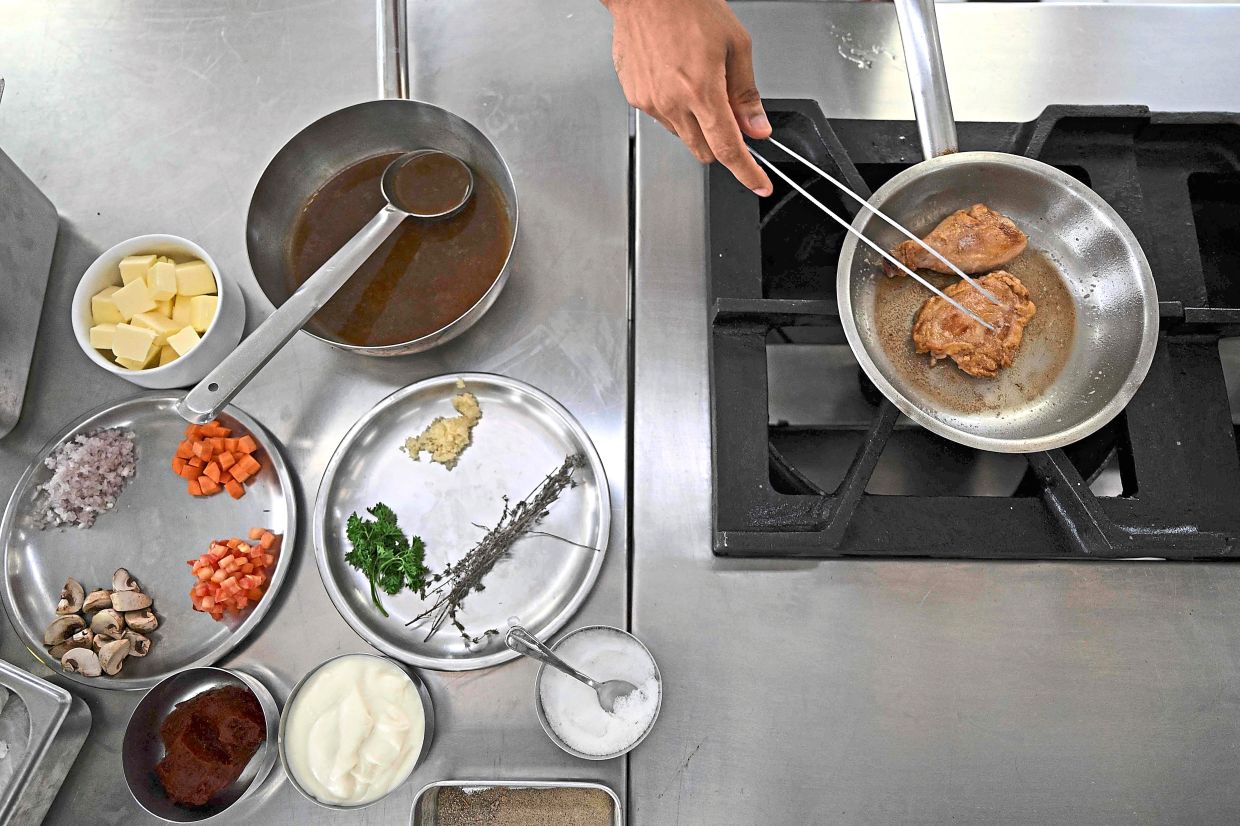
“There are plenty of job opportunities,” said Saurav Chhabra, head of French hotel school Vatel’s Indian campus, which has been based in Gurugram since 2015 in partnership with Sushant University.
“Employers’ expectations are very high, particularly in five-star hotel chains.”
Culinary and pastry courses, once relatively rare in India, have proliferated over the past decade, with foreign private schools helping drive its high-end hospitality sector.
Such is the enthusiasm that France is considering opening vocational schools, notably in Puducherry, the former French colonial port in India’s southeast.
Ecole Ducasse has more than 600 students, most from affluent backgrounds.
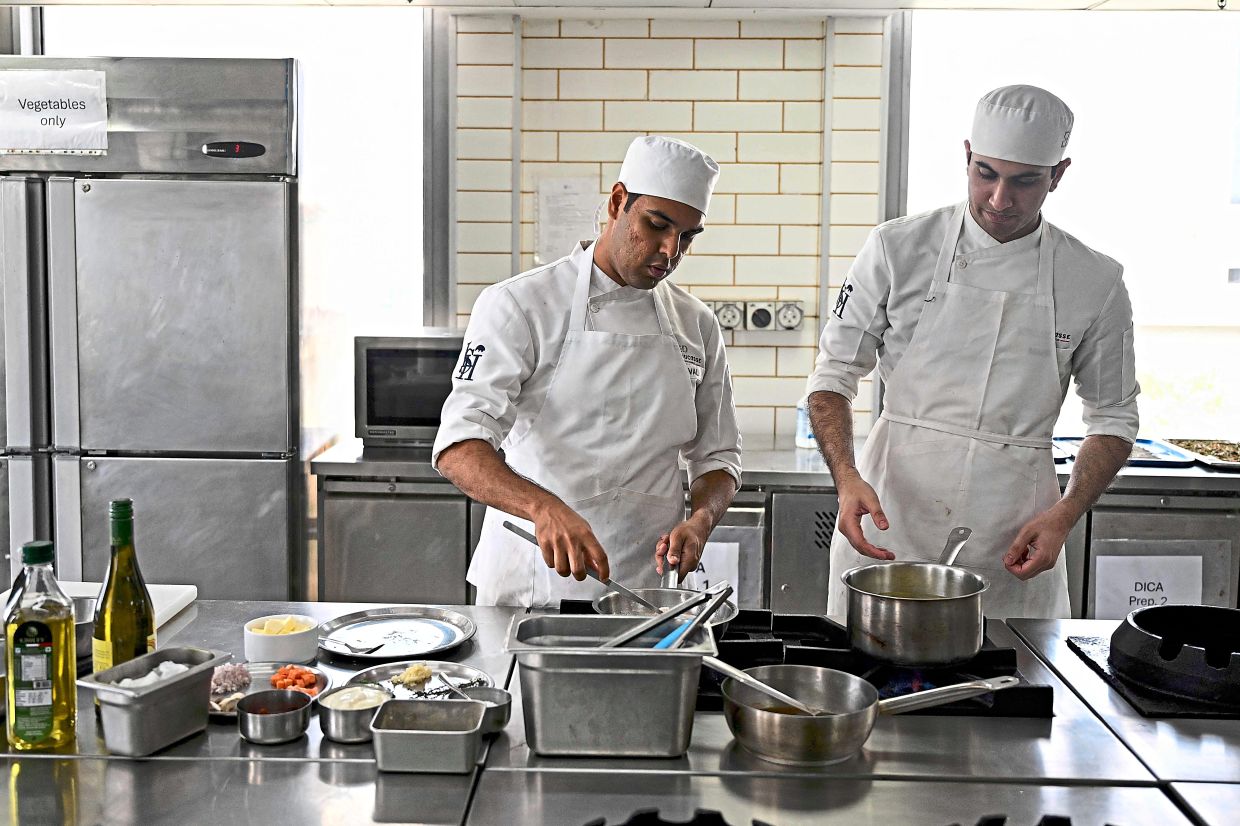
Indian chefs who have worked at prestigious restaurants, including overseas, teach their respective specialties: Indian, European, Mediterranean and Asian cuisine, as well as bakery and pastry-making.
Siddhant Marwah, a final-year student, joined the school to acquire “French techniques that represent the quintessence of culinary expertise”.
As Marwah puts the finishing touches to a gratin dauphinois – a dish of sliced potatoes baked in cream – he explains that French and Indian cuisines share techniques such as “braising, blanching and slow cooking in stews”.
While France boasts its beef bourguignon, India is not to be outdone with goat nihari, a meat dish cooked for hours in a spicy broth.
Drawn by the opportunities for travel and meeting people that a career as a chef offers, Marwah already dreams of opening his own restaurant in India.
Nearby, Amitabh Sukhwal, 18, has just enrolled at Vatel, whose tuition fees are considerably lower than those at Ecole Ducasse.
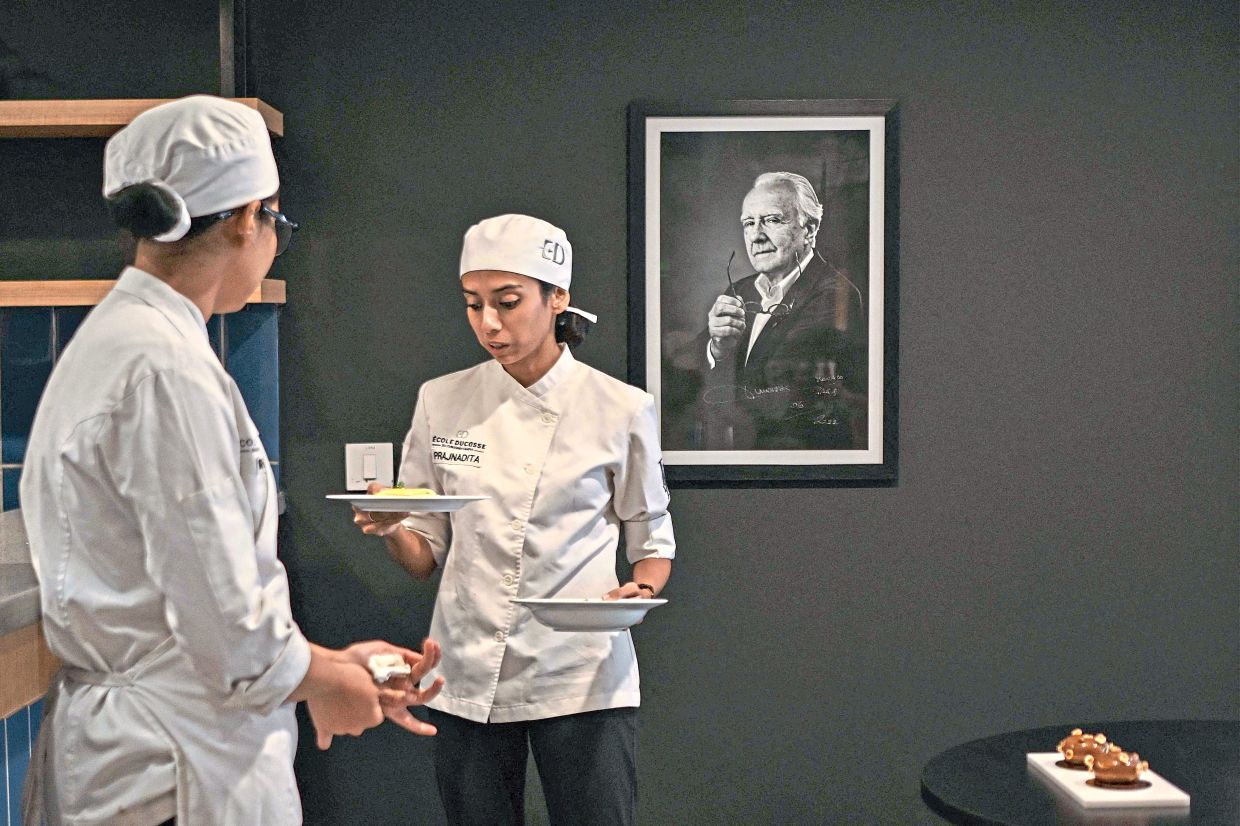
The school has around 120 students, many from modest backgrounds.
Sukhwal, who calls himself a “lover of the French language”, plans to go to France in four years to pursue a master’s degree, gain experience abroad and then draw on it to open his own hotel in India.
He learned French through interactions with guests at the small hotel run by his parents in Chittorgarh, Rajasthan, and is now honing his skills at his new school, where French-language classes are compulsory.
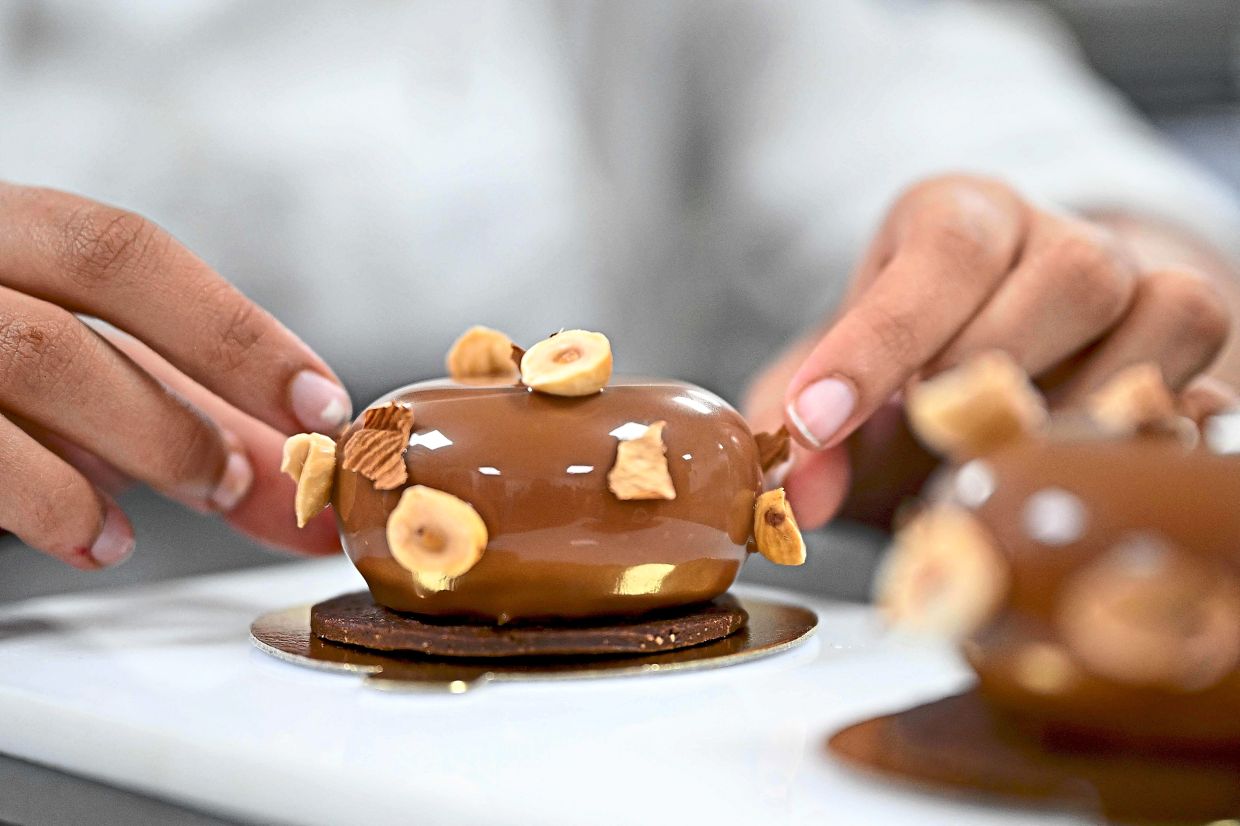
A majority of the students interviewed by AFP at the two schools plan to remain in India.
After working for many years in India’s luxury hotels, chef Shikha Gupta, who teaches bakery and pastry-making at Vatel, is pleased to see her classes have “as many men as women”.
“Over the past 10 to 12 years, attitudes have changed and many women have chosen to enter the culinary profession,” said Ecole Ducasse’s Jain.
“We now see near parity, or even a ratio of 60% women to 40% men.”
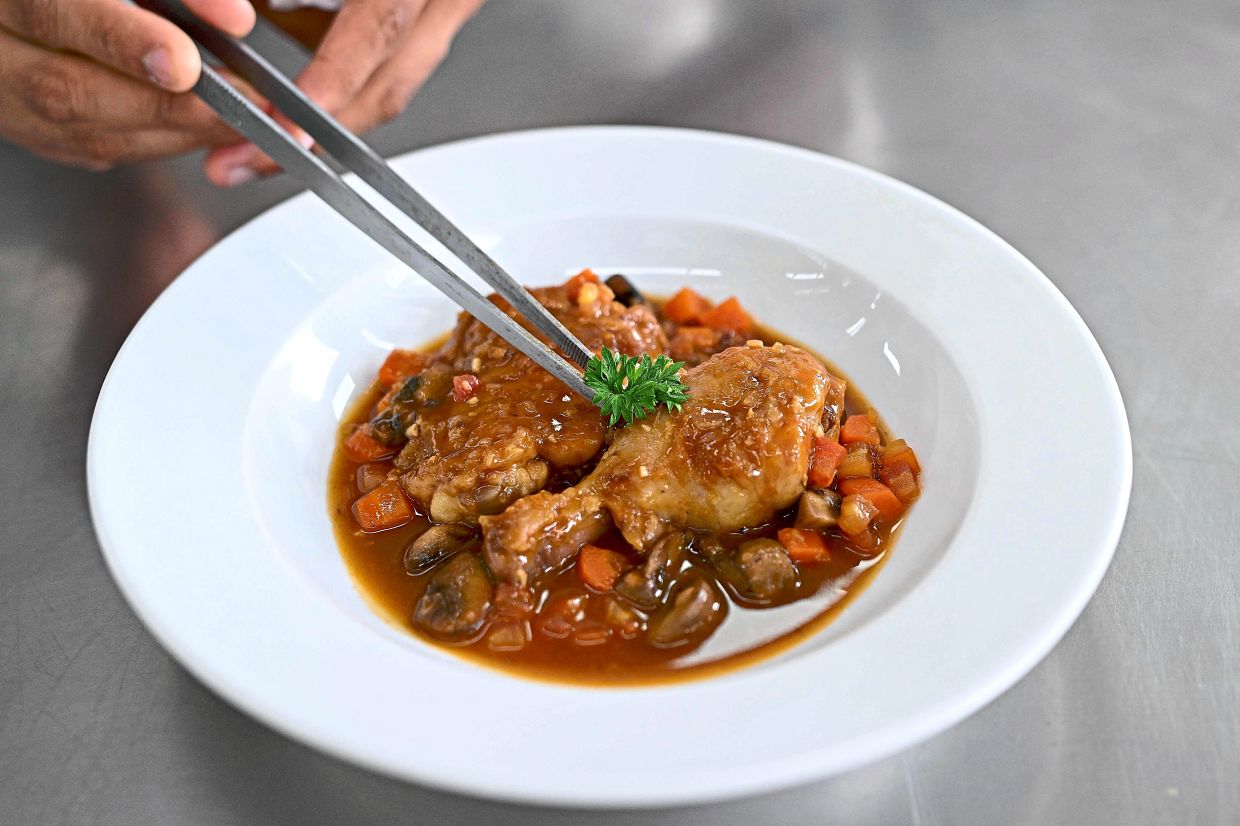
Anusha Nagia, who joined Ecole Ducasse in 2024, hopes to open a restaurant in India and one day earn a Michelin star, perhaps by betting on fusion cuisine, which is “very much in vogue”.
While chicken chasseur is one of her favourite French dishes, she fondly recalls a galantine – a French preparation of stuffed meat – in which she and her classmates incorporated the spicy flavours of chicken tikka. — AFP