ISTANBUL (Bernama-Anadolu): Iran accused the US on Monday of lacking seriousness in negotiations, saying Washington has repeatedly confused diplomacy with imposing demands on Tehran, Anadolu Ajansi (AA) reported, citing Iran's state-run news agency, IRNA.
"The American side is not serious about negotiations,” Foreign Ministry spokesman Esmaeil Baqaei said during his weekly news conference.
He accused Washington of repeatedly making false claims, recalling that US President Donald Trump had expressed support for negotiations shortly before the US military attacks on Iran in June 2025.
"What do you call this? Do you see any goodwill in this approach?” he asked.
Baqaei said Tehran had not received any new European proposal for negotiations beyond a political statement, criticising Britain, France and Germany for their positions during the conflict.
He accused the three countries of following Washington’s lead on the restoration of UN sanctions and failing to condemn military attacks against Iran.
Baqaei reiterated that Iran had never possessed nuclear weapons or sought to acquire them, accusing Washington of using allegations about Tehran’s nuclear programme to justify military action.
He said Iran had negotiated in good faith and signed the 2015 nuclear agreement, but the US withdrew from it three years later.
The spokesman accused the US administration of being influenced by Israeli claims about Iran’s nuclear programme, describing allegations that Tehran was developing a nuclear bomb as a justification for military aggression.
Tensions between Washington and Tehran have persisted since the US and Israel launched military attacks on Iran on Feb 28, triggering a regional conflict and disrupting shipping through the Strait of Hormuz.
On June 18, Trump and Pezeshkian signed a Pakistan-mediated memorandum of understanding, aimed at ending hostilities, reopening the strategic waterway and paving the way for a broader agreement.
However, disagreements over the implementation of the understanding, including the US naval blockade, sanctions and navigation through the strait, have continued to hinder diplomatic efforts.
Earlier this month, Iran said restoring security to the Strait of Hormuz remained central to negotiations with Washington, insisting that the US must take specific steps to resolve the standoff.
Meanwhile, oil prices fell on Monday after surging last week amid hopes of easing hostilities between the United States and Iran, but persistent attacks on key producer Saudi Arabia kept investors wary and prices near six-month highs.
Brent crude futures were down $1.57, or 1.35%, at $115.15 by 1239 GMT. US West Texas Intermediate crude futures were down $2.11, or 2.04%, at $101.16 per barrel.
On Friday, prices settled nearly $3 higher. Brent finished the week up 6% and WTI ended 2.3% higher.
"With the jeopardy doubled by Houthi attacks into Saudi, any Brent price dips back to the lows of last week will find grateful buyers," PVM Oil Associates analyst John Evans said in a Reuters report.
"Corrective processes are notoriously difficult to quantify, but this one has nowhere near reached any sort of levels where bulls might abandon hope."
Saudi Arabia, which along with Turkey and Pakistan was set to hold talks with Iranian officials in Tehran, said it was important to open channels for negotiations.
On Sunday, Qatari mediators traveled to Tehran as part of an effort to de-escalate regional tensions in coordination with the United States, an official briefed on the situation said.
Despite the mediation talks, attacks continued over the weekend with the Houthis saying they had struck pumping stations on Saudi Arabia's East-West crude oil pipeline and Riyadh airport. Saudi Arabia said on Sunday it had intercepted more missiles and drones.
The effects of the US-Israeli war against Iran that began on February 28 continue to reverberate as companies adjust to the disruptions of commercial shipping through the key Strait of Hormuz and Bab el-Mandeb Strait caused by the conflict.
October has been the worst month for attacks on commercial shipping in the Strait of Hormuz and nearby waterways, according to data compiled by the Washington Institute for Near East Policy, a think tank that has tracked maritime security incidents worldwide since 2017.
Meanwhile, energy ministers from Saudi Arabia and Singapore said state-owned oil company Saudi Aramco will start storing crude oil in Singapore from the second half of 2027, to make Aramco's supply chain in the region more resilient.
The head of the International Energy Agency, Fatih Birol, reiterated supply concerns, saying on Monday at an industry event in Singapore that he did not expect energy markets in 2027 to return to where they were before the Iran war.
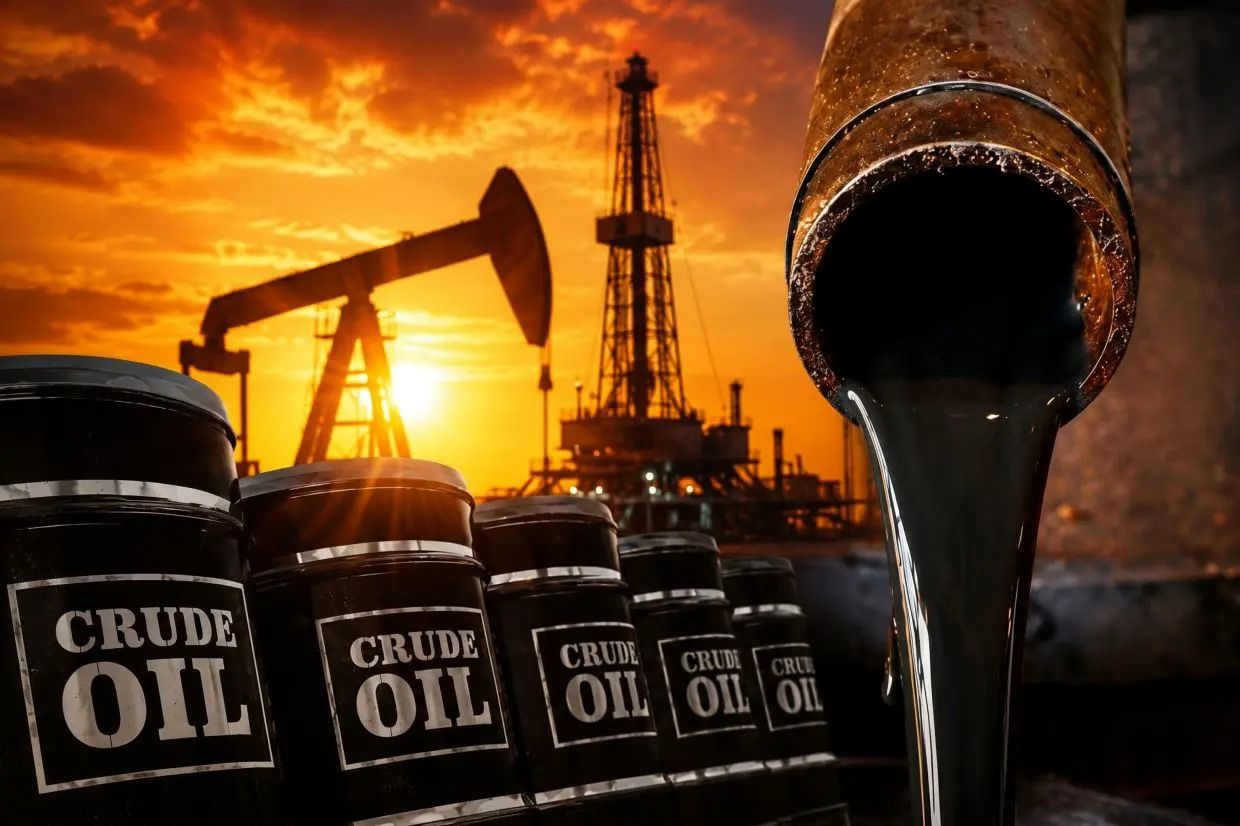
Meanwhile, oil prices fell on Monday after surging last week amid hopes of easing hostilities between the United States and Iran, but persistent attacks on key producer Saudi Arabia kept investors wary and prices near six-month highs.
Brent crude futures were down $1.57, or 1.35%, at $115.15 by 1239 GMT. US West Texas Intermediate crude futures were down $2.11, or 2.04%, at $101.16 per barrel.
On Friday, prices settled nearly $3 higher. Brent finished the week up 6% and WTI ended 2.3% higher.
"With the jeopardy doubled by Houthi attacks into Saudi, any Brent price dips back to the lows of last week will find grateful buyers," PVM Oil Associates analyst John Evans said in a Reuters report.
"Corrective processes are notoriously difficult to quantify, but this one has nowhere near reached any sort of levels where bulls might abandon hope."
Saudi Arabia, which along with Turkey and Pakistan was set to hold talks with Iranian officials in Tehran, said it was important to open channels for negotiations.
On Sunday, Qatari mediators traveled to Tehran as part of an effort to de-escalate regional tensions in coordination with the United States, an official briefed on the situation said.
Despite the mediation talks, attacks continued over the weekend with the Houthis saying they had struck pumping stations on Saudi Arabia's East-West crude oil pipeline and Riyadh airport. Saudi Arabia said on Sunday it had intercepted more missiles and drones.
The effects of the US-Israeli war against Iran that began on February 28 continue to reverberate as companies adjust to the disruptions of commercial shipping through the key Strait of Hormuz and Bab el-Mandeb Strait caused by the conflict.
October has been the worst month for attacks on commercial shipping in the Strait of Hormuz and nearby waterways, according to data compiled by the Washington Institute for Near East Policy, a think tank that has tracked maritime security incidents worldwide since 2017.
Meanwhile, energy ministers from Saudi Arabia and Singapore said state-owned oil company Saudi Aramco will start storing crude oil in Singapore from the second half of 2027, to make Aramco's supply chain in the region more resilient.
The head of the International Energy Agency, Fatih Birol, reiterated supply concerns, saying on Monday at an industry event in Singapore that he did not expect energy markets in 2027 to return to where they were before the Iran war.