
BEIJING: A dance move known as the “flash step” recently went viral on Chinese social media, inspiring countless imitations, memes and creative merchandise, including keychains.
In September, Chinese netizens jumped on the bandwagon, copying moves from a dance tutorial video made in the 1990s.
They were especially taken with three moves featured in the video: the “flash step”, “prodigal kicking the ball” and “black bear shaking fur”.
As its name vividly suggests, the flash step is a rapid, side-to-side dodging movement. “Prodigal kicking the ball” involves a rather bendy hopping kick with the arms outstretched, while “black bear shaking fur” features the dancer shaking vigorously, literally like a bear shaking its fur.
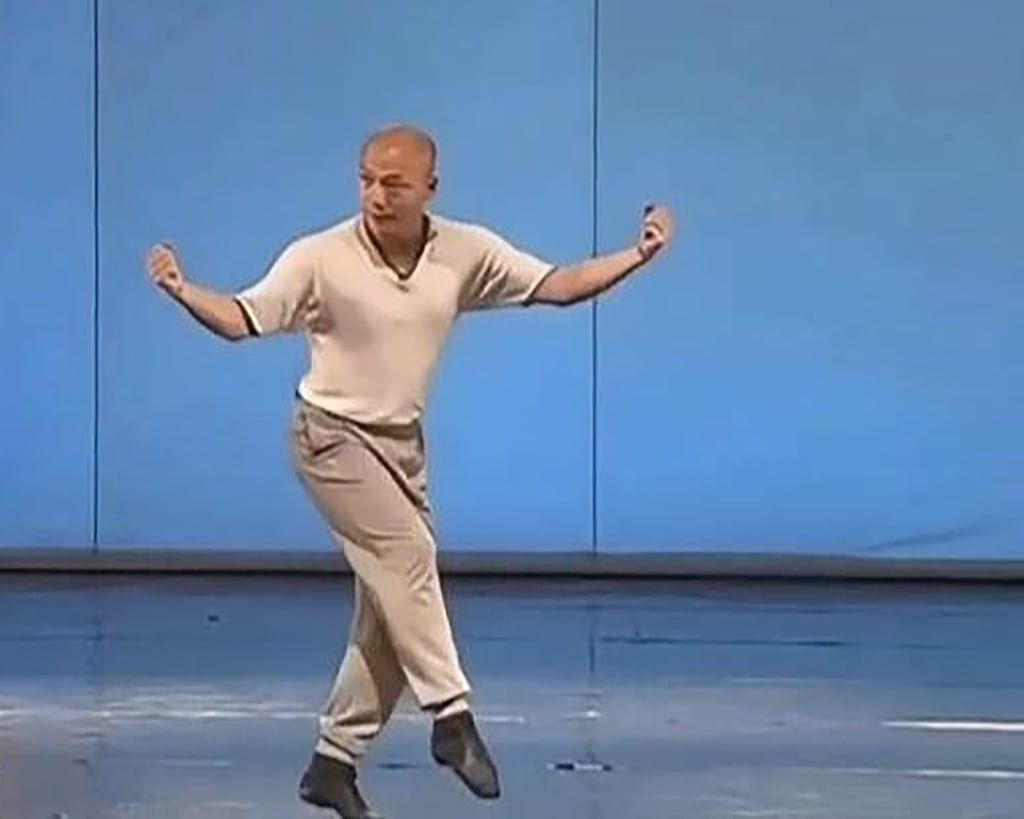
Young people found the moves humorous and began imitating them and turning them into memes.
The trend also caught the attention of celebrities, including Chinese idol and singer Lay Zhang Yixing, actress Li Yitong and even German fitness influencer Pamela Reif.
These moves are actually from a professional folk dance tutorial film made by the Beijing Dance Academy. The two teachers who demonstrate them are Zhao Tiechun and Ming Wenjun, both veteran teachers at the academy.
Furthermore, Ming is a former director-general of the Department of Art at the Ministry of Culture and Tourism, while Zhao was vice-president of the National Centre for the Performing Arts.
The flash step and “prodigal kicking the ball”, performed by Zhao, are moves from the Flower Drum Lantern dance, a national-level intangible cultural heritage from central China’s Anhui province.
The “black bear shaking fur” move comes from the drum-beating yangge folk dance of eastern China’s Shandong province.
According to Professor Tian Lu of the academy’s Department of Chinese Ethnic and Folk Dance, who took part in filming, the moves’ vivid names are exactly the names used for them in those folk dances.
For teaching purposes, the moves were extracted from the continuous sequences performed by folk dancers to train undergraduate students to shift their centre of gravity quickly and tilt their bodies into a pose.
Tian told Chinese media outlet The Paper that the moves reflect the inherent humour of folk culture, expressed through these spontaneous dance movements.
She also admitted that she had never imagined they would become so popular.
However, teacher Zhao told Xinhua News Agency that he was not surprised.
“The move has qualities that appeal to the masses. People find it fun and witty – both humorous and professional. The public’s collective creativity has generated this interesting phenomenon,” he said.
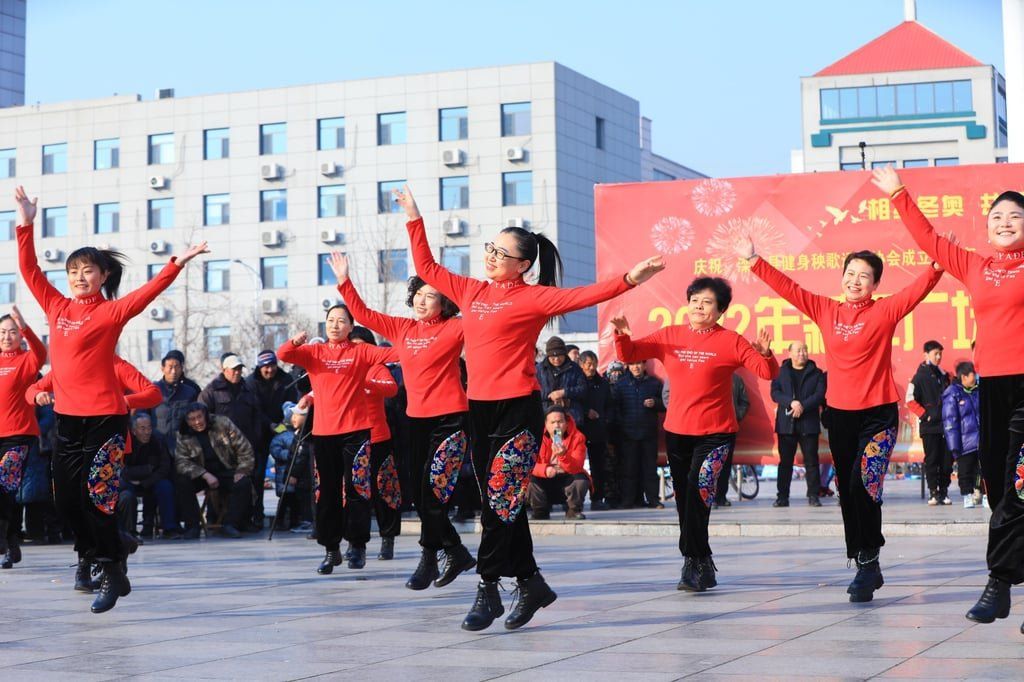
After the moves went viral, Zhao also filmed himself leading a group of people in performing the flash step.
The tutorial video that went viral was posted in 2018 by a dance graduate, who said he uploaded it simply to preserve the footage and share it with his peers.
The poster, surnamed Duan, said that when they practised the moves in class, their teachers were strict about their posture, and they did not find the moves funny at all.
As the moves were reinterpreted in memes, some social media users joked that the flash step helped them dodge people trying to assign them unwanted tasks. One user said it helped her get onto a metro train during rush hour.
On Chinese e-commerce platforms, figures of Zhao and Ming from the video have also been turned into keychains and tapes, selling for around 10 to 20 yuan (US$1–3) each.
Meanwhile, doctors have warned people copying the dance to be careful, as the moves require strong core, glute and thigh muscles. Those without professional dance training risk tearing a ligament.
In response to the viral dance craze, the Affiliated Hospital of Yangzhou University issued a public warning, saying that within just a few days, orthopaedics and sports medicine clinics in multiple regions had reported treating a significant number of young patients injured while attempting the trend. - South China Morning Post