BEIJING: Police in eastern China recently dismantled a cross-border drug-trafficking gang that allegedly involved a retired chemistry professor and a master’s degree holder in producing narcotics.
The case went viral in China, where social media users dubbed it “China’s Breaking Bad,” after the American crime drama that aired from 2008 to 2013.
The series is widely regarded as one of the greatest TV shows of all time. In China, all five seasons scored above 9 out of 10 on the country’s best-known ratings site.
During a routine inspection of a pharmaceutical technology company in 2024, police in Shandong province noticed that it had bought unusually large quantities of six chemicals used as key ingredients in etomidate.
Etomidate is a narcotic drug that has often been misused in e-cigarettes known as “zombie vapes.” Long-term use of high doses can be fatal. China placed the substance under control in 2023.
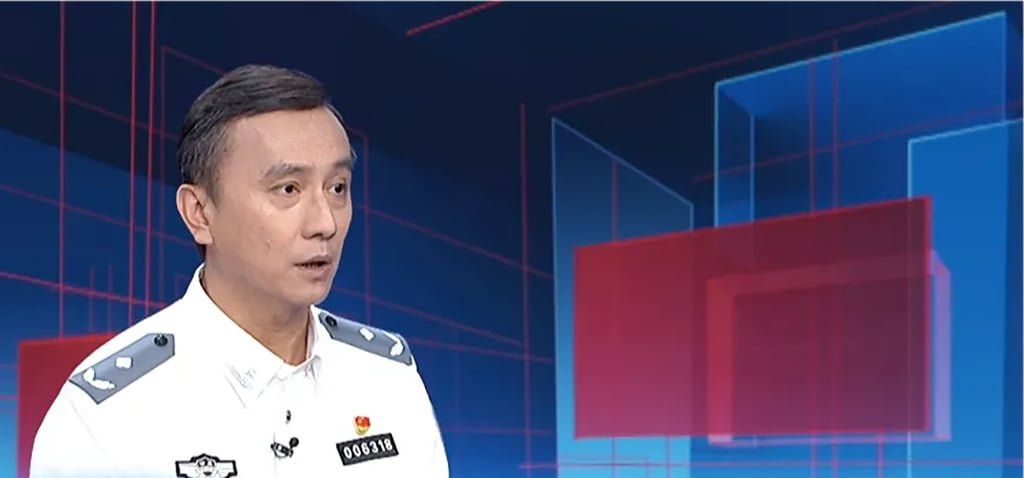
Police discovered that a man surnamed Huang was behind the purchases. He had a master’s degree in chemistry and had spent years selling e-cigarettes in Shenzhen. He worked at the pharmaceutical company for just three months before quitting.
Police suspected that Huang had bought the ingredients to produce etomidate. Their investigation found that he travelled frequently between Zibo, in Shandong, and Shenzhen, and spent several days at a time with Wu, a retired chemistry professor from a local college.
Investigators later revealed that Wu was the key figure in the production of etomidate. He had designed and refined the manufacturing process and used his connections to secure laboratory space in factories across five Chinese cities, ostensibly to develop new medicines.
According to Shandong police, the pair took care to produce only etomidate’s precursor chemicals in China, then transport them to Vietnam, Thailand and Cambodia for conversion into the finished product, in an effort to avoid legal risks.
While Wu and Huang oversaw production, an e-cigarette seller and international logistics business owner surnamed Wang arranged for the chemicals to be moved in small quantities and for the manufacturing equipment to be transported.
Police said they needed to dismantle the entire cross-border drug-manufacturing and trafficking network at once to bring its members to justice. If they found only precursor chemicals in China, they would be unable to prove a crime or make arrests.
It took Chinese police nearly two years to gather sufficient evidence and coordinate with their counterparts in Vietnam and Thailand.
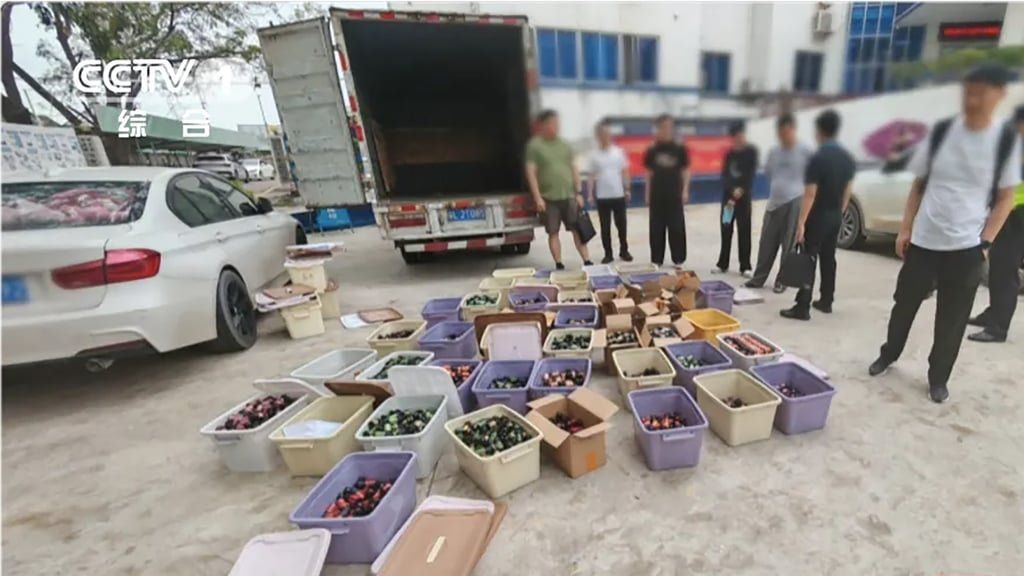
In March and April, police dismantled seven of the gang’s bases across Cambodia, Vietnam and Thailand. China Central Television reported that they arrested 71 people and seized 73kg of etomidate, five tonnes of active ingredients and multiple pieces of laboratory equipment.
Police discovered that Huang had made five million yuan (US$750,000) from the illegal operation.
The case remains under investigation, and the suspects are awaiting trial.
Under China’s Criminal Law, anyone who sells, transports or manufactures 50 grams or more of heroin may face at least 15 years in prison, life imprisonment or the death penalty, as well as confiscation of property.
In previous court cases, judges have calculated sentences by treating each gram of etomidate as equivalent to 0.4 grammes of heroin.
“Zibo Heisenberg,” one netizen joked, referring to the alias used by Walter White in Breaking Bad.
“Making drugs must be easy for chemistry experts, but most wouldn’t do it because there are more important things than profits,” another commented. - South China Morning Post