
The country has started its first nationwide survey of animal cafes amid concerns over animal welfare, hygiene and public health, a government official said, bringing greater scrutiny to the popular but lightly regulated sector.
The desktop survey, which began this month, will examine the number of facilities, the types of animals they house and the conditions they are held in, and how visitors interact with the animals.
Exotic animal cafes, where visitors can interact with species ranging from otters to owls and marmots, have become popular attractions for both Japanese and foreign tourists. But researchers say some facilities keep threatened species, raising concerns about animal welfare and the trade in wildlife.
Japan lacks specific standards governing such cafes and handling of many exotic species, said Takuya Ishikawa, an official at the Environment Ministry.
Cafes with domesticated animals including cats and dogs will also be included in the survey.
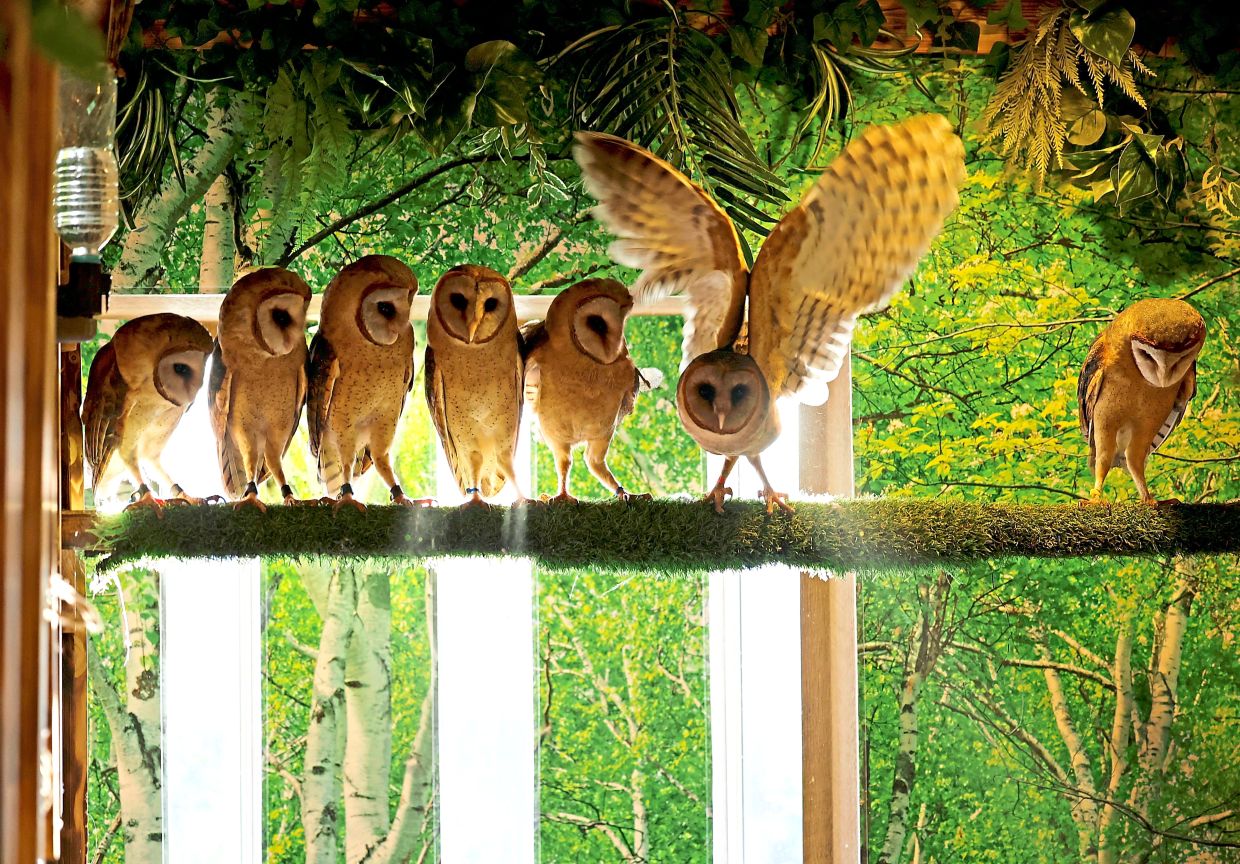
The government also plans a public awareness campaign, acknowledging that it had not done enough to inform public about the risks of interacting with exotic animals.
The prospect of tighter oversight has been welcomed by some in the industry.
“Japan is clearly lagging behind when it comes to (animal welfare) regulation,” said Syaina Nozaki, manager of Owl Otter Cafe in Kamakura, near Tokyo, which houses rescued animals.
Nozaki said that she hoped that regulations will help distinguish facilities like hers from less responsible operators focused solely on profit.
Japan, which has a large domestic pet market, ranked as the world’s second-biggest importer of both live reptiles and mammals by value in 2024, a report by the World Wildlife Fund this month said.
Of about 80 registered wildlife animal cafes in Tokyo and Osaka, three-quarters were also registered to sell animals, according to a separate report by WWF and Hokkaido University.
Researchers visiting 25 cafes found more than 1,700 animals on display, 27% of them threatened species. More than 90% of the cafes displayed animals considered at high risk of causing injury through contact, while samples from four cafes tested positive for enterohemorrhagic E. coli, which can cause bloody diarrhoea. — Reuters