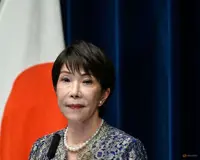
TOKYO (AP): Japanese Prime Minister Sanae Takaichi stayed away from Tokyo's controversial Yasukuni Shrine, apparently to prioritise diplomatic relations with China and South Korea, but did not mention her country’s wartime past in Asia or remorse over it in an address Saturday as Japan marked the 81st anniversary of its surrender in World War II.
Takaichi mourned the victims of major devastation in Hiroshima, Nagasaki and Okinawa, as well as those who perished on overseas battlefronts, and thanked them for their sacrifice as the "foundation of Japan's peace and prosperity today.”
She did not mention Japanese atrocities in Asia or apologize.
"Japan, since the end of the war, has consistently contributed to global peace and prosperity. We will never let the tragedy of the war be repeated," she said, adding that Japan can play a key role in addressing global challenges as "a dependable nation" in the region.
Visits by Japanese politicians to the Yasukuni Shrine, which also commemorates World War II war criminals, have been criticized by China and South Korea. They see it as showing a lack of remorse over Japan’s wartime atrocities.
Japanese Defense Minister Shinjiro Koizumi, another Cabinet minister and three executives from Takaichi's governing party showed up at the shrine earlier Saturday.
Koizumi has regularly visited the controversial shrine to mark Japan's anniversary of the end of the war on Aug. 15 and other occasions. But as a defense minister pushing to increase Japan’s military capability and weapons sales under Takaichi’s hawkish government, his visit Saturday is seen as more contentious.
The previous shrine visit by a defense minister was in 2024 by Minoru Kihara, the current chief secretary and top government spokesperson for Takaichi’s government.
Japan’s Defense Ministry prohibits group visits by service members of the Self-Defense Forces, on grounds of constitutional separation of religion and state. Koizumi said in October it is natural for anyone in any country to pay respect for those who sacrificed their lives for their nation.
Koizumi did not comment on the visit Saturday and walked past journalists at the shrine.
He is the son of popular former Prime Minister Junichiro Koizumi, who outraged China when he visited Yasukuni as a serving leader in 2006.
Three executives from Takaichi’s governing Liberal Democratic Party also prayed together Saturday at the shrine and brought offerings in a rare joint visit on the prime minister's behalf that is seen as a move to make up for Takaichi’s absence and appeal to her right-wing supporters.
Party secretary-general Shunichi Suzuki told reporters he prayed while keeping in mind the prime minister's thoughts for "the spirits of the war dead” and that he brought Takaichi’s cash offerings in her capacity as party leader.
For Takaichi, appealing to right-wing voters is key at a time when her support is seen as rapidly falling, presumably over delayed economic measures addressing rising prices as well as scandals that include alleged negative election campaign videos and unpopular revisions to Japan's imperial family succession rules.
Takaichi has not visited the shrine since taking office but has sent offerings twice for the shrine’s biannual festivals.
Tensions between Japan and China escalated in November when the Japanese leader said a Chinese attack on Taiwan could constitute "a survival-threatening situation” for Japan requiring the use of force. The comments enraged Beijing.
Attention this week was on whether Takaichi, who has repeatedly said she would pray at the shrine on Aug. 15 despite the controversy, would keep her pledge and show up at Yasukuni on Saturday.
Earlier this week, Kihara said Takaichi would make an appropriate decision, followed by Japanese media saying she would not visit the shrine to keep Japan’s already difficult ties with Beijing from worsening and maintain good ties with Seoul.
Takaichi has repeatedly resisted acknowledging Japan's wartime aggression and atrocities, and denied that coercion was used against Korean laborers and women held as sex slaves for Japanese troops. She was previously part of a campaign to remove references to wartime sexual slavery, euphemistically known as "comfort women,” from school textbooks.
She has said she is from the postwar generation who has no responsibility for Japan's past actions and that she has no intention to apologize.
The country has faced revisionist pushbacks since the 2010s under nationalistic former Prime Minister Shinzo Abe, who pushed to correct a "self-deprecating view” of Japan’s wartime history and regain national pride. Takaichi considers Abe a mentor.
Since 2013, Japanese prime ministers have stopped apologizing to Asian victims for wartime atrocities, under a precedent set by Abe. Last year, however, former Prime Minister Shigeru Ishiba expressed "remorse” over the war and called it a mistake, though he fell short of mentioning Japan's aggression across Asia or apologizing. - AP