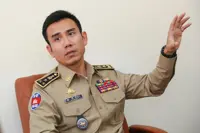
PHNOM PENH: Cambodia is facing mounting pressure on its healthcare system as climate change takes its toll, damaging vital medical infrastructure and disrupting access to essential services for vulnerable rural communities, Health Minister Prof Chheang Ra said Tuesday (Aug 11).
As extreme weather events intensify, healthcare facilities are coming under growing strain, while people in remote areas face increasing barriers to timely medical care.
"Environmental changes are redefining the requirements for resilient health systems. Extreme heat, floods, droughts, changing patterns of vector-borne diseases, food insecurity, air pollution and population displacement can have significant impacts on public health,” Chheang Ra said in his welcoming speech at the 9th Asia-Pacific Parliamentarians’ Forum on Global Health.
With support from the World Health Organization (WHO), Cambodia is hosting the forum, which is being held at the National Assembly Palace in Phnom Penh from August 11 to 13.
Themed "Universal Health Coverage in the Era of Climate Change and Artificial Intelligence”, the forum brings together parliamentarians and health stakeholders to discuss challenges facing health systems in the region.
Located in the Lower Mekong basin, Cambodia is highly exposed to natural hazards, including floods, tropical storms and prolonged droughts.
About 80 per cent of Cambodia’s population lives in rural areas, with agriculture remaining an important source of livelihoods.
Despite significant progress in reducing poverty, Cambodia’s healthcare system continues to suffer from major challenges.
"There are shortages of health workers compared with WHO-recommended ratios, insufficient infrastructure, a large and fragmented private health sector with quality and safety concerns and geographical disparities in the distribution of health services. Up to 70 per cent of (medical) specialists are concentrated in Phnom Penh,” said Chheang Ra.
Climate change and its growing impact are also raising concerns across the Mekong region, where millions of rural people depend on the river and its ecosystems for their livelihoods.
From Cambodia and Laos to Myanmar and Vietnam, communities are exposed to a volatile mix of rising temperatures, tropical storms, landslides, torrential rainfall and prolonged droughts.
These erratic weather patterns threaten livelihoods and food security, while adding mounting pressure on public health systems and essential services.
Chheang Ra called for greater equity, quality and trust in healthcare systems to advance universal health coverage to ensure that people have access to quality medical care.
"A resilient healthcare system must protect communities during (crisis) while hospitals and health centres continue operating and health workers are ready to serve,” he said. - Bernama