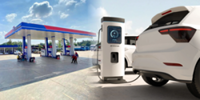
VIENTIANE: Laos is exploring plans to transform state-owned fuel stations into electric vehicle (EV) fast-charging hubs as part of its drive to expand charging infrastructure and reduce reliance on imported fuel.
The Lao State Fuel Company and Electricité du Laos signed an agreement on July 24 to study the feasibility of installing fast chargers at state fuel stations nationwide.
Under the proposal, the charging network would support both the international Combined Charging System (CCS Type 2) and China's GB/T charging standard, allowing a wider range of electric vehicles to use the facilities.
The feasibility study will also assess the conversion of existing fuel stations into multi-service energy hubs with convenience stores, cafés, restaurants and other amenities for motorists.
Authorities believe the project could help cut Laos' dependence on imported petroleum products. Although the country generates most of its electricity from hydropower, it continues to rely heavily on imported fuel, leaving it exposed to global oil price fluctuations and placing pressure on foreign currency reserves.
EV Transition Accelerates
The study comes as the government intensifies efforts to build the infrastructure needed to support a nationwide transition to electric vehicles.
Earlier this month, the Ministry of Public Works and Transport introduced new regulations requiring government approval before home EV charging systems can be installed. The rules also tightened oversight of public charging stations by requiring construction permits, technical and safety inspections, and restricting new facilities to approved locations such as shopping centres, transport hubs and fuel stations.
The measures build on a series of policies introduced this year to accelerate EV adoption.
In May, Laos suspended imports of most new petrol and diesel vehicles until the end of 2026 while introducing price controls on electric vehicles to keep them affordable. Authorities also directed relevant agencies to develop a pricing framework covering production costs, transport, taxes and profit margins to prevent excessive mark-ups.
The government has also expanded efforts to develop supporting infrastructure.
In April, it signed agreements with 27 public and private sector partners to develop charging stations, battery-swapping facilities, digital charging systems and financing for EV-related investments.
In June, authorities reinstated higher fuel excise taxes after temporary reductions introduced during the country's fuel supply crisis expired.
Officials said the long-term strategy is to reduce dependence on imported petroleum by expanding EV infrastructure and encouraging more motorists to switch to electric vehicles. - Laotian Times