JAKARTA: A string of corruption cases involving regional heads this year has renewed questions over whether the government's leadership retreat for local readers has done enough to instill integrity, after another active regent was named a graft suspect this week.
The Corruption Eradication Commission (KPK) on Tuesday (July 21) named West Lombok Regent Lalu Ahmad Zaini of West Nusa Tenggara a suspect in an alleged bribery case linked to a clean water management project.
His arrest makes Lalu the 11th sitting regional head implicated in corruption cases so far this year, all of them regents or mayors elected in the 2024 regional elections.
The figure adds to five regional heads arrested last year, including one governor and four regents.
Acting KPK deputy for investigation Achmad Taufik Husein said in Tuesday’s briefing that Lalu’s arrest should serve as a warning to public officials against “gnawing at the region’s wealth”.
Meanwhile, KPK spokesperson Budi Prasetyo said recurring cases suggested many regional leaders had yet to uphold the integrity expected of public officials.
“We consistently urge regional heads and local government officials to make integrity the foundation of their work, so governance remains transparent, accountable and free from conflicts of interest,” he said.
The latest case has also prompted fresh scrutiny of the Home Ministry's leadership retreat, a programme aimed at strengthening governance and integrity among regional leaders.
Responding to Lalu's arrest, Home Minister Tito Karnavian acknowledged the setback, noting that the implicated officials had already undergone orientation and ethics training.
“These regional heads have attended the retreat and orientation,” Tito was quoted by Kompas.com as saying on Tuesday.
“We’ve also introduced a more transparent financial system, provided guidance and they have even met with the President, yet [corruption cases] still occur.”
Still, the minister maintained that corruption ultimately comes down to personal integrity, urging regional heads to be responsible and refrain from abusing authority entrusted to them.
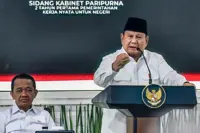
The weeklong retreat, held in Magelang, Central Java, shortly after the inauguration of around 500 regional heads in February, combined military-style discipline with lectures from President Prabowo Subianto, the KPK, the National Police and other state institutions.
Tito has repeatedly argued that the program was designed to strengthen integrity, nationalism and accountability among local leaders.
The programme, however, drew criticism over its Rp 11 billion (US$676,000) price tag at a time when the government was enforcing sweeping budget cuts across ministries, state agencies and regional administrations.
For Indonesia Corruption Watch (ICW), the growing number of graft cases involving regional leaders raises serious questions about whether the retreat programme has delivered on its stated objective.
ICW advocacy head Egi Primayogha said corruption could not be addressed through "quick-fix" programmes but instead required sustained preventive measures and institutional reforms.
“There should be improvement in political party recruitment, stronger safeguards against conflict of interest and efforts to reduce the high cost of elections,” he said.
University of Indonesia political analyst Aditya Perdana echoed the view, arguing that a short leadership retreat was unlikely to deter corruption without broader reforms to Indonesia's political and legal systems.
He also pointed to the country's weak deterrence effect, noting that some corruption convicts had reoffended after serving prison sentences. Instead, Aditya said, the more realistic long-term solution was to strengthen public political awareness so voters could make more informed choices and reject candidates with questionable integrity.
“I hope what changes is the public, the voters. They should remember that they don’t have to vote for candidates with a poor track record,” he said, stressing that the electorate ultimately determines who holds public office.
He added that the KPK could support those efforts by encouraging stronger social sanctions against public officials implicated in corruption. - The Jakarta Post/ANN