
BEIJING: A woman in southeastern China who was mistaken for dead and nearly cremated after falling into a coma has rebuilt her life as a painter.
Chen Cuiju, 49, grew up in a poor rural family in Guizhou province. In 1995, aged 18, she moved to Dongguan, Guangdong province, to work in a factory, but the gruelling hours and harsh conditions left her severely malnourished.
One day, while suffering from a fever and walking alone by a river, Chen collapsed and lost consciousness, according to the Guizhou Metropolitan Daily.
Days later, a boatman found her lying by the riverbank. Covered in dirt and barely breathing, Chen was mistaken for an unidentified corpse because she had no identification documents and was taken to a funeral home.
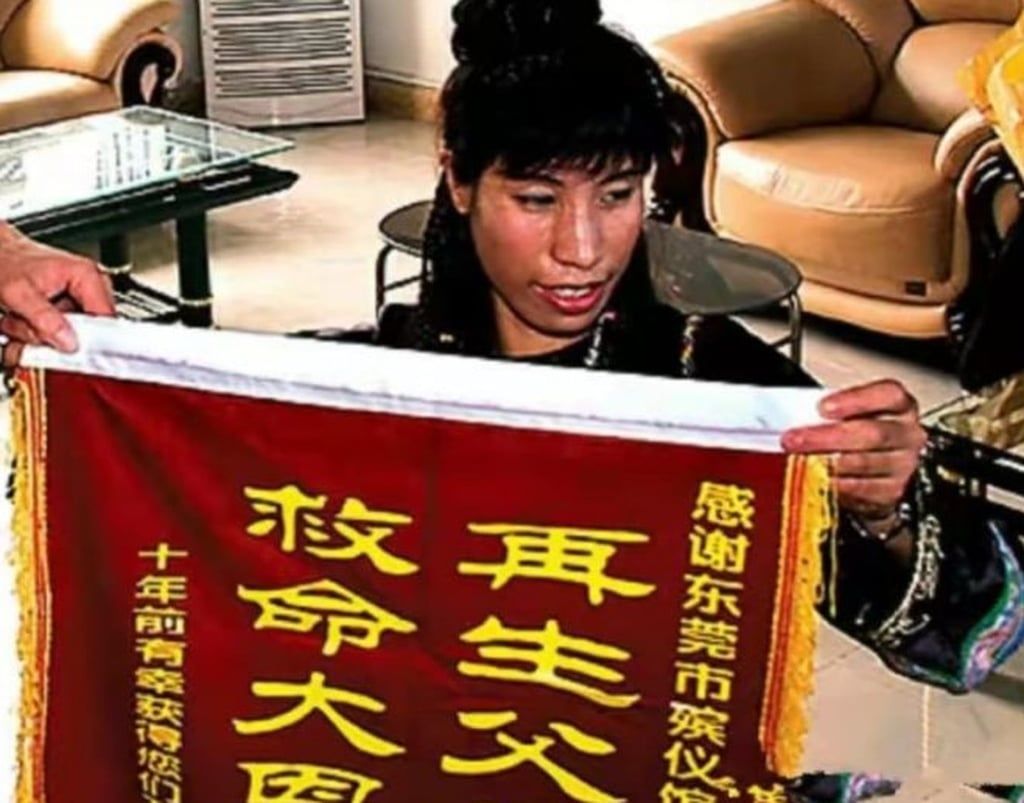
In July that year, as a worker surnamed He was preparing to cremate her, he noticed a slight movement in her foot. Realising she was still alive, he alerted the police and rushed Chen to the hospital.
Doctors reportedly diagnosed her with severe malnutrition, dehydration, and multiple organ failure. Despite her lack of identification, money or relatives nearby, the hospital continued treatment and covered her medical expenses.
After more than three months of intensive care, Chen regained consciousness and recovered. With help from local authorities, she was reunited with her family.
Her story of “returning from death” attracted nationwide attention, with strangers visiting her in hospital and offering support.
After her discharge, Chen received letters from across China. Some offered her jobs, while others encouraged her to stay strong. Among them was a letter from painter Chen Zhonglian, who invited her to study painting in Jinhua, Zhejiang province, and offered to cover her living and education costs.
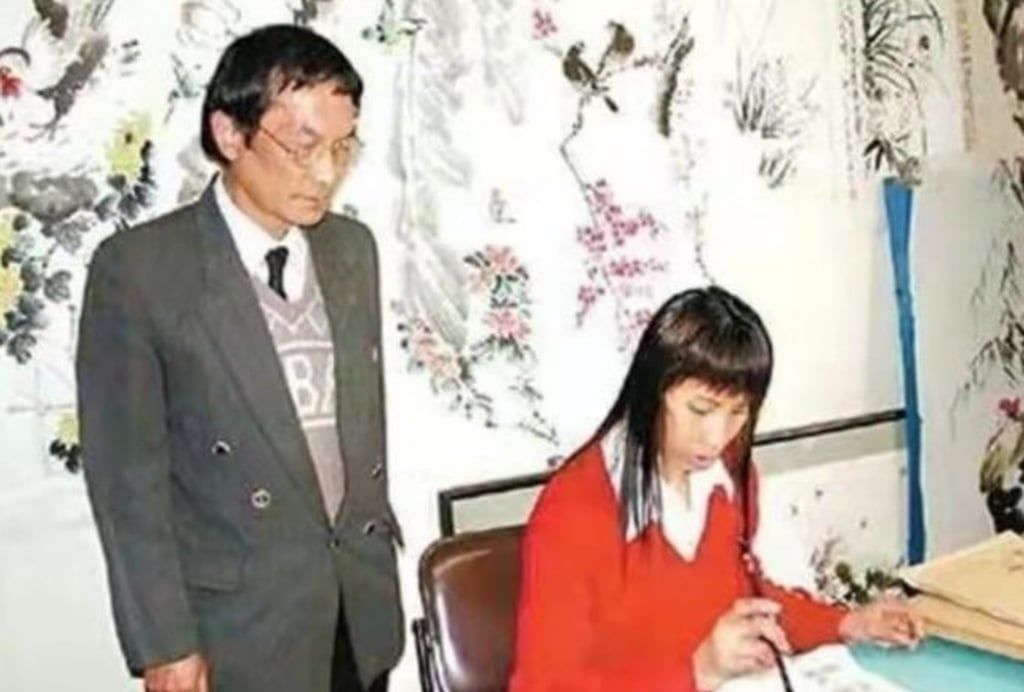
Chen Zhonglian, then an art teacher in Jinhua, said he was deeply moved by her ordeal.
“If she had a skill and knew how to support herself, perhaps such a tragedy could have been avoided,” he told local media.
In 1996, Chen moved to Jinhua with her younger brother and lived in Chen Zhonglian’s studio. Haunted by her past, she struggled with low self-esteem, especially after some people viewed her as bringing “bad luck”.
As her mentor, Chen Zhonglian encouraged Chen to interact with her classmates, recognised that she had talent and urged her to take part in competitions.
In 1999, Chen won her first major painting award and began gaining recognition in China’s art world. She later specialised in traditional Chinese painting.
“Chen has a rich inner world, delicate emotions and remarkable insight,” Chen Zhonglian told local media.
In June 2006, Chen returned to Dongguan to thank the funeral home and hospital staff who had saved her life. For the visit, she created a painting of blooming peonies beside broken, withered branches, symbolising resilience and rebirth after adversity.
Her works reportedly won dozens of awards at national and international exhibitions, with several pieces collected by art institutions. Chen was also recognised as a national first-class artist in traditional Chinese painting.
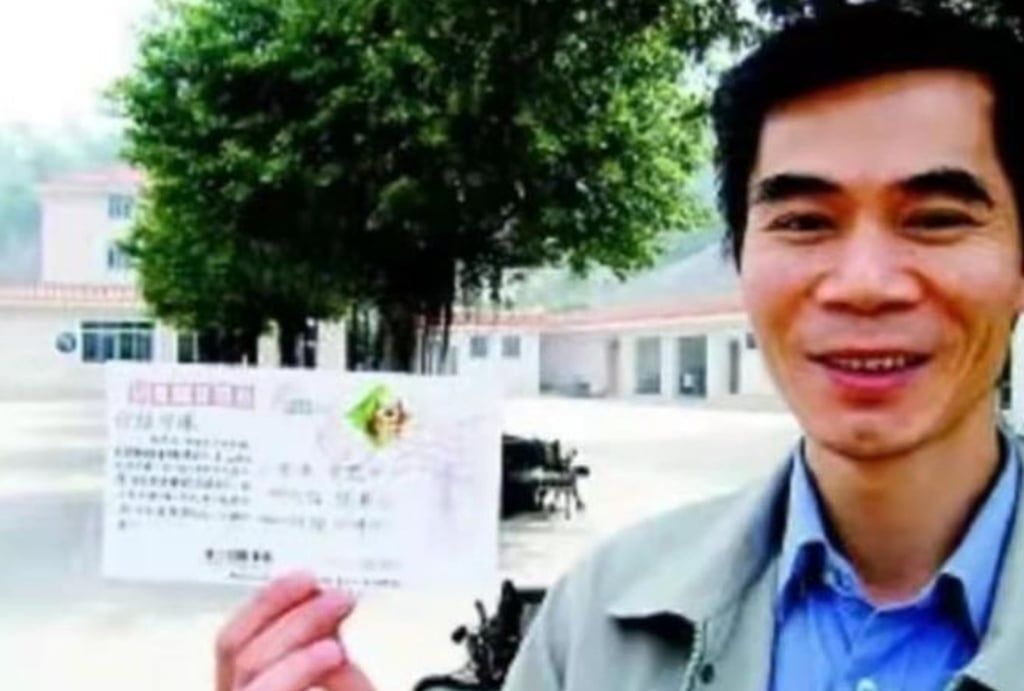
Her story was later adapted into the Cantonese opera “Cai Ju Returns Home”, which aimed to inspire young people to overcome hardship. Chen has not publicly commented on the adaptation.
In July, her story resurfaced on social media. Mainland media reported that Chen continues to paint, although little is known about her private life.
One online observer commented: “The funeral home worker’s discovery and the hospital staff’s compassion extended her life, which was a miracle. Chen then created another miracle through her own determination and hard work.” - South China Morning Post