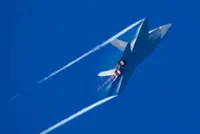
The United States launched fresh strikes against Iran and revoked a temporary license allowing its oil sales on Tuesday, triggering a retaliatory attack targeting US bases in the Gulf.
The renewed hostilities threatened to unravel a fragile ceasefire and negotiations that aim to end war in the Middle East.
US Central Command (CENTCOM) said American forces had struck Iran in response to attacks on commercial ships transiting the Strait of Hormuz, one of the world’s most strategically important waterways.
Within hours of the US operation, Iran launched a retaliatory missile and drone assault across the Gulf. Bahrain, home to the US Navy’s 5th Fleet, sounded its missile alert sirens, while the Kuwaiti army announced it was actively responding to incoming aerial attacks.
Iran’s Revolutionary Guards claimed responsibility on state media, stating their Navy and Aerospace forces had targeted 85 key US military facilities across both nations and downed an MQ-9 drone. There was no independent confirmation of damage or losses.
“US Central Command forces have begun launching a series of powerful strikes against Iran to impose heavy costs for targeting and attacking commercial shipping crewed by innocent civilians in an international waterway,” CENTCOM said in an initial statement.
Several hours later, it released another statement saying it completed the new round of strikes, hitting over 80 targets. “US forces struck Iranian defence systems, command and control networks, coastal radar sites, anti-ship missile capabilities, and more than 60 Islamic Revolutionary Guard Corps small boats in and near the strait.”
Iranian media reported explosions on Iran’s main oil hub of Kharg Island, on Qeshm Island and in the southern port cities of Sirik and Bandar Abbas.
Iran’s Khatam al-Anbiya military command vowed a “crushing response”, accusing the US of a “blatant act of aggression” and warning that Tehran would not allow US interference in the management of the Strait of Hormuz.
The tit-for-tat exchanges came after Washington moved to restore sanctions on Iranian oil by revoking a temporary waiver granted under an interim agreement reached in June, which was signed amid a pause in hostilities that has been regularly tested in recent months.
US officials said the attacks on shipping were incompatible with the understandings reached under that arrangement and warranted consequences.
Tehran condemned the move, accusing Washington of violating the Islamabad Memorandum of Understanding, and warning that Iran would take whatever measures it considered necessary to defend its interests and national security.
“Iran, while issuing a serious warning about the consequences of the US’ breach of the agreement, will take decisive measures to protect its national interest and security,” said the statement from Deputy Foreign Minister Kazem Gharibabadi, quoted by official media.
The renewed confrontation threatens negotiations aimed at permanently reopening the Strait of Hormuz, reducing tensions surrounding Iran’s nuclear programme and securing a longer-term settlement between the two sides.
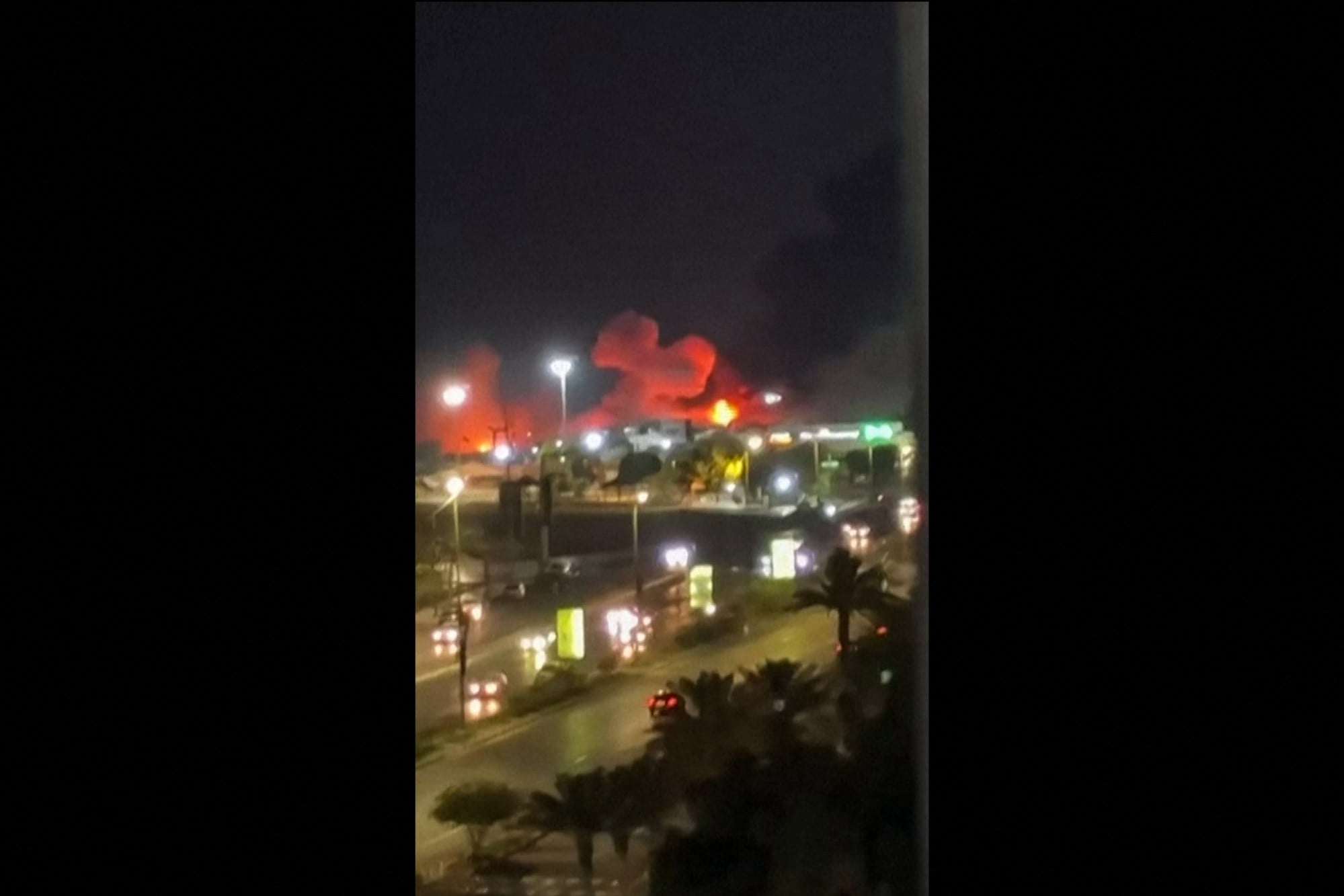
Earlier on Tuesday, three commercial vessels were struck while operating near the entrance to the Gulf, according to British maritime authorities.
One liquefied natural gas tanker caught fire after sustaining damage near the Omani coast, while two other ships were damaged but remained seaworthy and continued their voyages. No injuries were reported.
The incidents represented the largest number of attacks on commercial shipping in the waterway in a single day since April.
Qatar condemned the attack on one of its LNG carriers and publicly blamed Iran.
Majed Al-Ansari, spokesman for Qatar’s foreign ministry, described the strike as an “unacceptable attack” on international shipping and global energy security and called it a “serious and explicit violation” of international law.
In a statement posted on social media, he said Qatar held Iran “fully legally responsible”.
The Strait of Hormuz carries roughly one-fifth of global oil and natural gas trade, making any disruption a major concern for energy markets and Asian importers.
The renewed tensions immediately reverberated through global markets, with oil prices surging amid fears that a wider confrontation could threaten exports from the Gulf.
Analysts warned that any prolonged disruption to shipping through the waterway could send crude prices significantly higher and complicate efforts to stabilise global energy supplies following months of conflict.
The explosive escalation also risked overshadowing global diplomacy, as Nato leaders were set to gather in Ankara, Turkey, for a summit on Wednesday. US President Donald Trump, who is attending the gathering, has repeatedly taken aim at Nato allies for refusing to join the US and Israel in their military campaign against Iran.
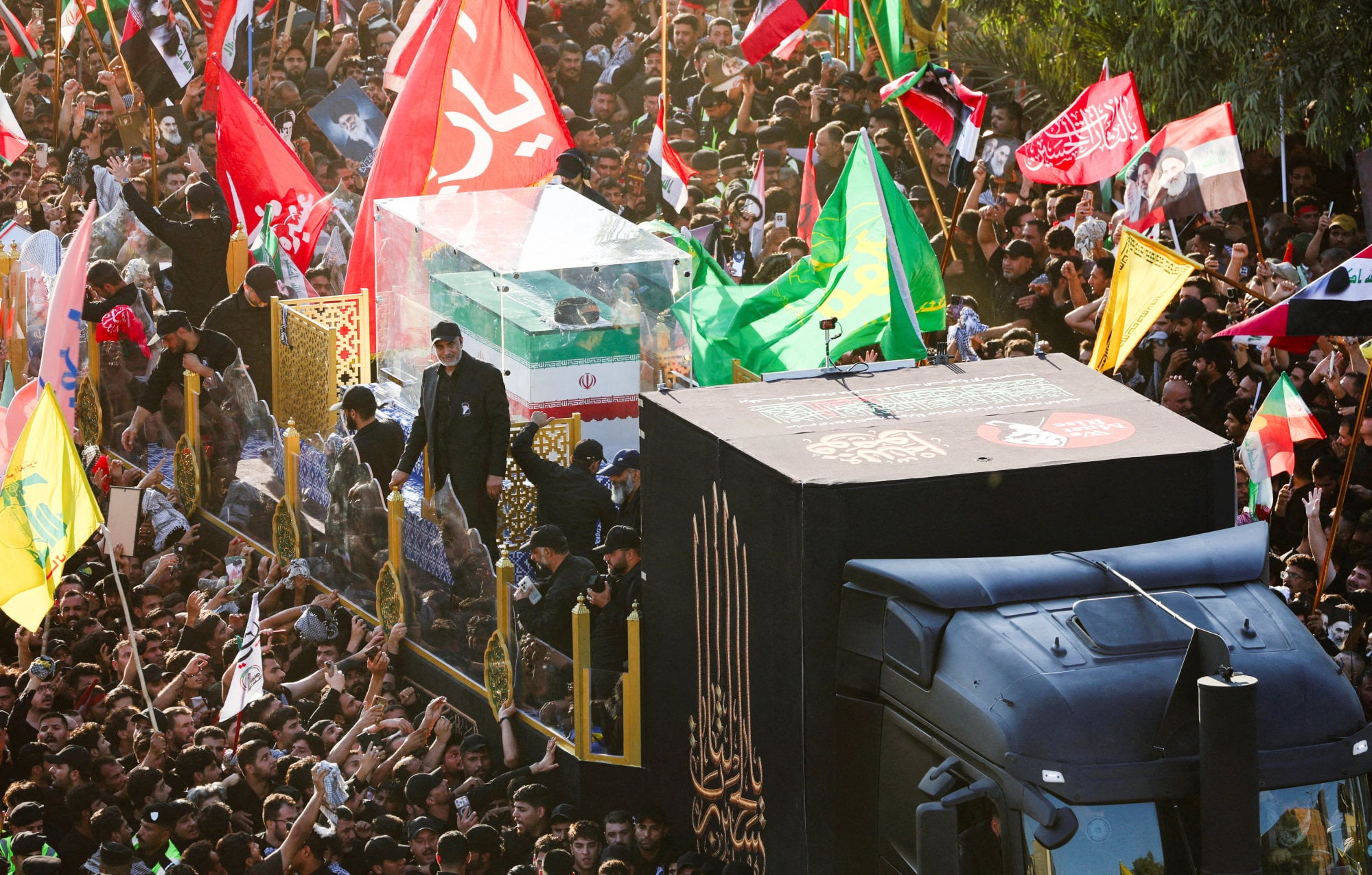
The hostilities shattered a brief period of calm as Iran continued funeral ceremonies for former supreme leader Ayatollah Ali Khamenei, who was killed on the first day of the war on February 28.
His successor and son, Mojtaba Khamenei, has not appeared publicly during the ceremonies, fuelling speculation over his whereabouts after reports he was injured in the strike that killed his father. -- SOUTH CHINA MORNING POST