PHNOM PENH: Superstitions linking cat meat to good fortune and medicinal benefits are fuelling a brutal underground trade across parts of Indochina, where animal welfare groups estimate that around one million cats are slaughtered annually in Vietnam alone.
Smaller numbers are also killed in remote areas of Cambodia and Laos, largely for their perceived medicinal value.
According to global animal welfare organisation FOUR PAWS, cats are stolen from homes and streets, trafficked and slaughtered each year in Vietnam to satisfy demand rooted in superstition and tradition.
"Cat meat is generally consumed for cultural, traditional or social reasons, rather than because it is a major dietary staple.
"In parts of South-East Asia, cat meat has historically been associated with beliefs about luck and fortune,” Jon Rosen Bennett, who oversees dog and cat welfare issues at FOUR PAWS, said.
The merciless trade still exists despite decades of awareness campaigns by governments and international activists to halt the activity in the region.
"In Vietnam, some people believe eating cat meat at certain times of the lunar month can bring good luck or help reverse a period of bad luck, while some consumers believe cat meat has health or medicinal benefits,” said Bennett.
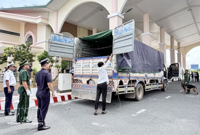
The controversial trade surfaced in Ho Chi Minh City last week after local police exposed a gang involved in the inter-provincial smuggling of the feline and rescued about 500 cats, reported VietnamNet.
Nine gang members were detained for allegedly stealing and selling cats over the past three years.
There is no nationwide ban on the slaughter, sale or consumption of cat meat in Vietnam, said Bennett.
"The majority of people in the region do not consume cat meat. In Vietnam, almost 90 per cent of people said they would support a ban on the dog and cat meat trade.
"And more than 90 per cent of people said they do not consider it to be a part of Vietnamese culture,” he said.
FOUR PAWS investigations in Vietnam in 2020 found that live cats were sold for around US$6 to US$8 per kilogramme (prices in 2020).
Cat meat was sold for around US$10 to US$12 per kilogramme, with a premium paid for black cats due to their alleged special luck-bringing or medicinal properties.
The trading of felines, also known as "little tigers" in Vietnam, not only causes unimaginable suffering for the cats but also raises public health concerns.
"Not only does the dog and cat meat trade cause enormous suffering for the animals involved, but the mass undocumented movement of animals across borders poses a serious threat to public health, with the potential spread of rabies and other zoonotic diseases,” he said.
In early June, FOUR PAWS launched an online public reporting platform as part of its awareness campaign against the dog and cat trade in Cambodia.
It is not only cats that go missing. Dogs have also fallen victim in some parts of Indochina.
Animal activists estimate that more than 10 million dogs are slaughtered for their meat each year across South-East Asia.
However, the majority of people in the region do not consume dog meat, and public sentiment is continuously growing against the trade. It remains a highly sensitive subject in some societies. - Bernama