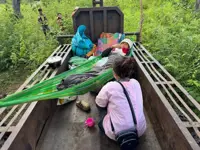
PHNOM PENH: Japan has earmarked an additional US$1.3 million to support the Cambodian citizens who were affected by last year’s border conflict.
The funding will be used for the “Responding to Urgent Needs of Vulnerable Migrants and Internally Displaced Persons affected by Thailand-Cambodia Border Crisis and Building Resilience Against Future Shocks” project.
Minister of Labour and Vocational Training Heng Sour addressed the project’s Wednesday (June 17) launch ceremony.
He described the project as reflecting the shared commitment of the Cambodian government, the Japanese government and the UN to assist vulnerable Cambodians.
The project, implemented by the UN Population Fund (UNFPA), the International Organization for Migration (IOM) and UN Women, in cooperation with the labour ministry, seeks to protect and promote the rights and dignity of returned migrant workers and at-risk communities, with particular emphasis on safeguarding women and girls.
It also aims to strengthen coordinated responses among government institutions, through long-term partnerships with the UN and civil society organisations.
Sour highlighted that the Japanese government, through ambassador Ueno Atsushi, had actively monitored the situation, called for peaceful dialogue and strict adherence to international law, and provided emergency assistance to displaced people and returning migrant workers.
He described continued cooperation as ensuring that “no one is left behind on the path toward prosperity”, noting that in response to the large-scale return of migrants, the Cambodian government moved quickly to maintain stability.
According to the minister, around 650,000 of an estimated million returning workers have secured employment, including approximately 340,000 people through ministry coordination mechanisms, which included the establishment of a dedicated hotline and the organisation of job fairs and employment forums across the country.
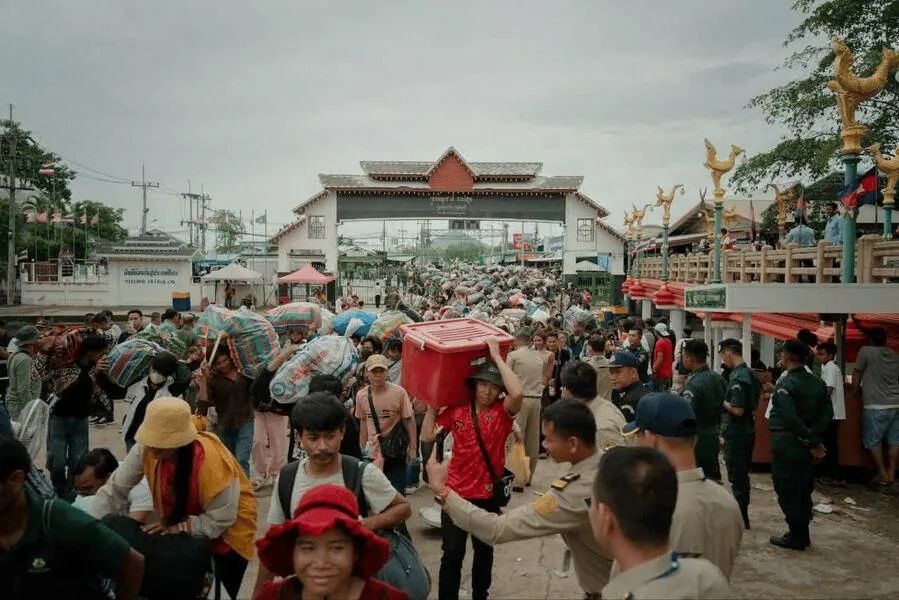
Returnees have also received vocational training through TVET programmes, including free Recognition of Prior Learning (RPL) assessments.
The minister pledged to ensure the successful implementation of the project, saying that continued cooperation would help Cambodia transform current challenges into future opportunities characterised by higher skills, better-quality jobs and stronger resilience.
In February, Japan announced almost $1 million in funding to the ILO to strengthen response mechanisms aimed at expanding employment opportunities, through the “Promoting Livelihoods and Employment Opportunities for Returnee Migrant Workers Affected by the Border Conflict” project.
Sandra Bernklau, acting UN resident coordinator in Cambodia, praised the government for providing swift and effective support to affected citizens and acknowledged the labour ministry’s rapid efforts in helping large numbers of returnees secure employment within a short period.
She stressed that partnership remains central to the shared commitment to ensure that no one is left behind, especially in the aftermath of crises.
For the UN, she said, the project represents not only an emergency response but also a critical investment in strengthening the resilience of vulnerable communities.
Ambassador Atsushi explained that the initiative builds on joint efforts to support returning migrant workers and displaced people through various forms of assistance, including protection measures for women and children, who are among the most vulnerable groups.
He expressed confidence that the project would contribute to the government’s efforts and help ease the hardships faced by returnees and displaced people.
Atsushi added that Japan would continue to work closely with the Royal Government and partner organisations to support those affected by the border crisis. - The Phnom Penh Post/ANN