A coalition of major EU member states is pushing Brussels towards a much tougher trade regime aimed at combating Chinese-style industrial overcapacity, including faster emergency tariffs, broader safeguards and new anti-circumvention powers.
A paper signed by Spain, Italy, the Netherlands, France and Lithuania days before a major China-focused debate in Brussels said the bloc must respond more aggressively to “systemic and structural industrial overcapacity” – phrases often taken as shorthand for Beijing.
The intervention comes as the European Commission prepares for a China policy orientation debate on Friday designed to chart a new course in light of growing complaints from governments and industries about the economic pressure caused by Chinese competition.
The paper – which has not been released publicly and which was first reported on by the Financial Times – calls for much more aggressive use of EU safeguard measures for sector-wide disruption, rather than product-by-product anti-dumping cases.
These allow for tariffs or quotas to be imposed where import surges are seen to be harming local industry. They have been used sparingly in the past, notably to counter surges in Chinese steel and ferroalloys, which are products used in the steel industry.
The paper – seen by the South China Morning Post – floats the adoption of a new “resilience tool”, to be “activated when European supply sources are concentrated beyond a specified threshold”.
This appears to be tacit endorsement of an instrument set to be presented by trade officials during Friday’s China debate, which will be presided over by European Commission President Ursula von der Leyen. This is likely to compel importers in crucial industries to ensure they have at least three suppliers in at least two countries, to stop the build-up of overdependence.
France’s position is well-known – President Emmanuel Macron on Friday called for a European “Section 301 tool”, in reference to a tariff mechanism used frequently against China by US President Donald Trump – but the inclusion of major member states Italy, the Netherlands and Spain suggests broader support for a revamp in China policy than previously thought.
While Spain has grown closer to China in recent years and is a popular destination for Chinese investment, officials have privately thought Madrid would back a more robust EU industrial policy.
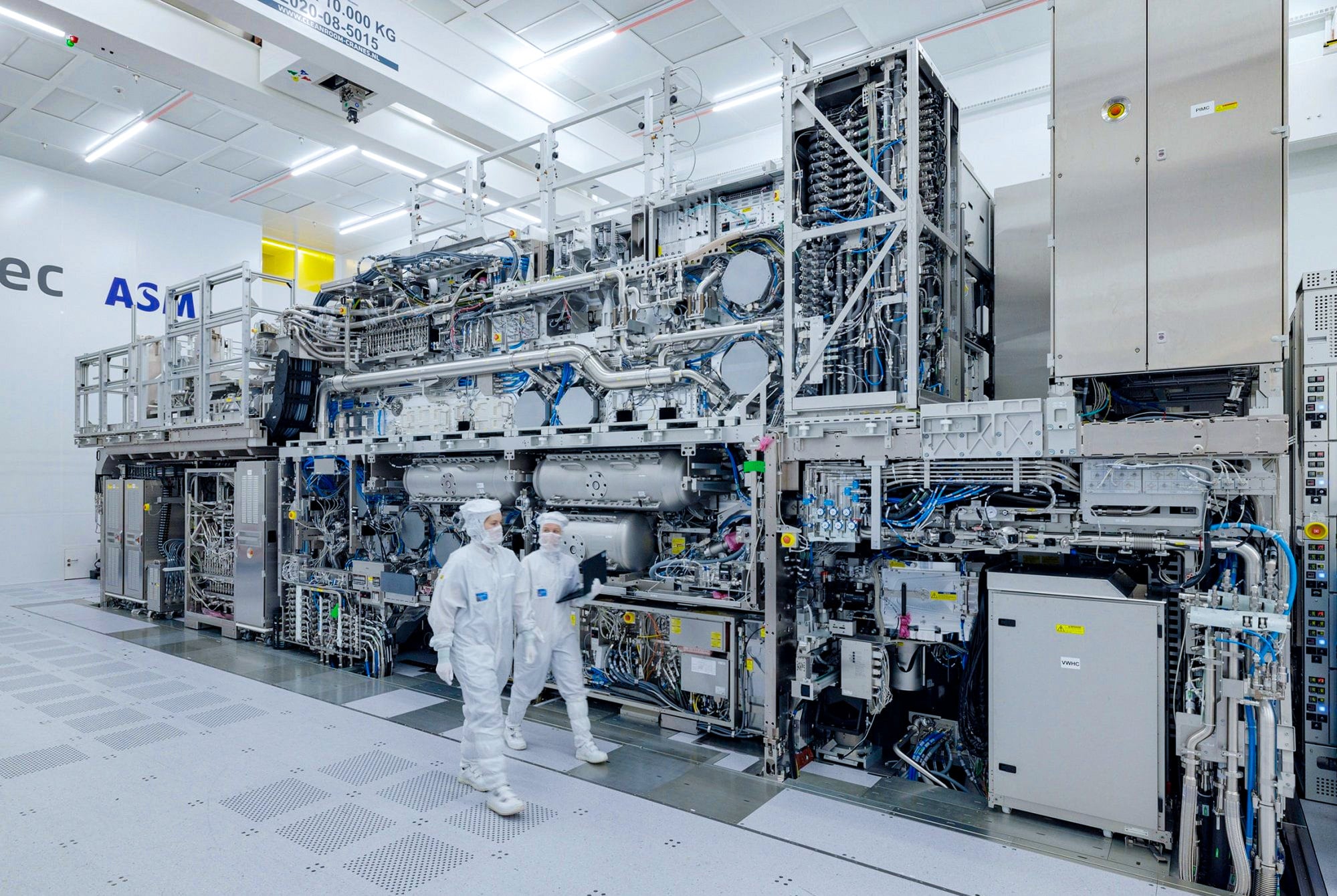
The Netherlands, while traditionally a strong supporter of free trade, has been at the coalface of economic security issues with China and the United States thanks to the presence of companies like ASML and Nexperia.
The position of Germany – the bloc’s biggest economy which plays a dominant role in formulating China policy – has yet to be determined. Its Economy Minister Katherina Reiche will travel to Beijing this week for talks with Commerce Minister Wang Wentao, accompanied by companies deeply invested in China.
Brussels is hopeful, however, that the industrial impact of what is increasingly referred to as the “China Shock 2.0” could bring Berlin closer to the companies behind the new report.
The combination of US tariffs and China’s “unfair trade practices”, the paper said, “has had a direct impact on the European industry, which lost 1 million jobs between 2019 and 2025”. A separate report published last week by the Centre for European Reform estimated that more than 400,000 German jobs tied to exports to China may already have been lost to China.
The paper describes a reality where Brussels trade officials are overwhelmed by the volume of dumping and subsidy complaints, asking for those departments responsible to be beefed up.
Those anti-dumping and anti-subsidy probes – the lion’s share of which concern China – should be complemented with emergency safeguard measures, which can be implemented more quickly, the report said.
It proposed company-level countervailing duties, not just country or product-level ones. This could be potentially significant for Chinese firms operating globally through subsidiaries, which could find themselves in the EU’s crosshairs.
It wants tougher anti-circumvention measures, to prevent companies hit by EU tariffs from funnelling goods through third countries, and for an “economic security” mindset to guide the commission’s actions on trade.
“The growing imbalance in the level playing field for the union’s industrial base, and the risk of losing critical industrial capacities and strategic sectors cannot be ignored,” the paper read.
Friday’s meeting of the European Commission’s college of commissioners is expected to set the stage for a debate on China at the European Council, composed of the bloc’s 27 national leaders, in June.
After that, Chinese Commerce Minister Wang is expected in Brussels in late June. EU sources said recent meetings with Chinese officials had been characterised by a “menacing” tone, with Beijing vowing to retaliate strongly against a raft of policy measures being devised in the Belgian capital to deal with the challenge posed by China. -- SOUTH CHINA MORNING POST