The two-month war with Iran has cost about US$25 billion, a Pentagon official told lawmakers on Wednesday, as US Defence Secretary Pete Hegseth defended a record US$1.5 trillion military budget that faces backlash from Democrats.
At a House Armed Services Committee hearing on Wednesday, Jules Hurst, the Pentagon’s chief financial officer, offered the first official estimate of the cost of the war in Iran.
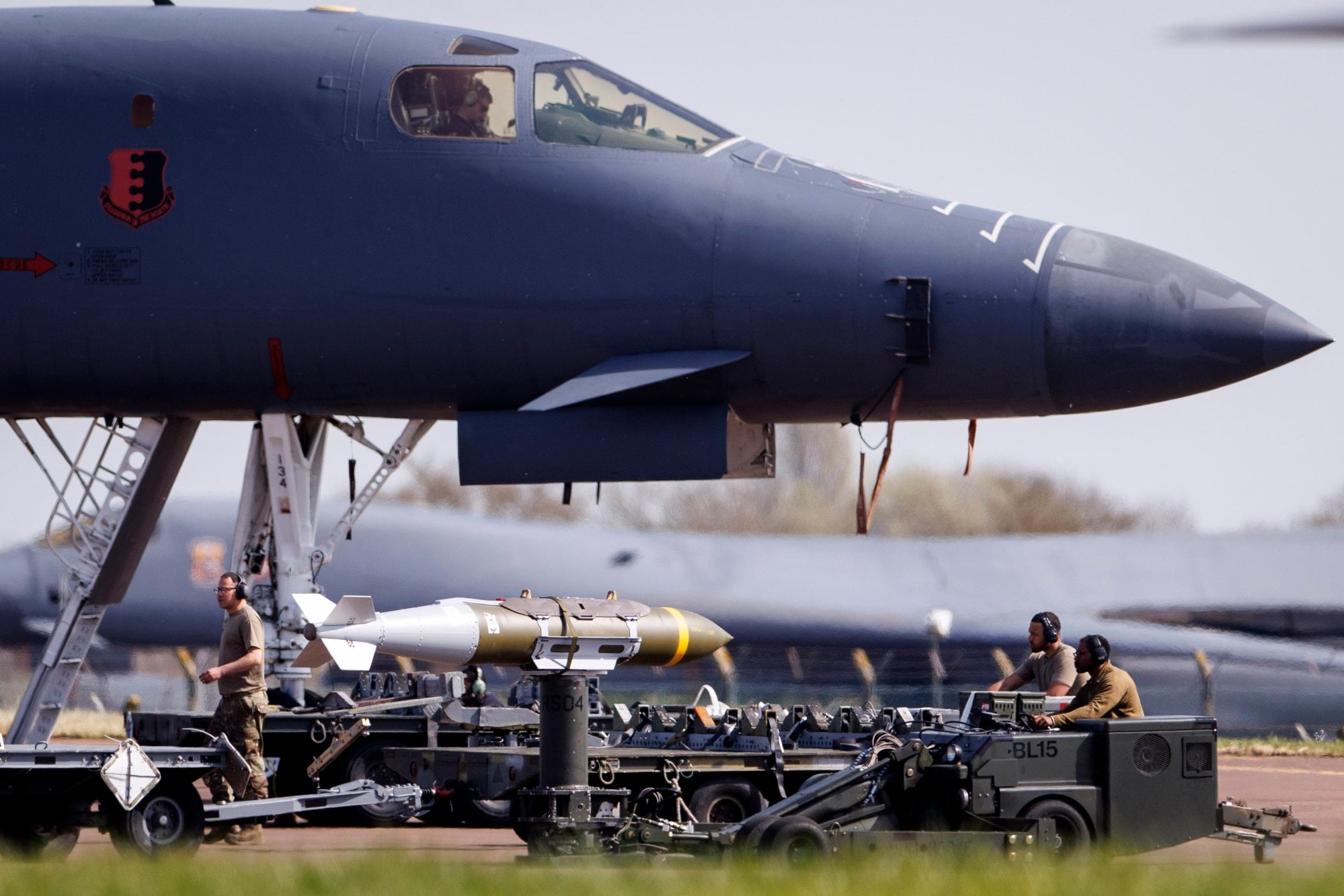
He said that most of the US$25 billion in spending went towards ammunition, but the US military also allocated funds for operations and equipment upgrades.
Hurst was one of the witnesses at the hearing on the Pentagon’s record-breaking budget. Seated next to him were Hegseth and General Dan Caine, chairman of the Joint Chiefs of Staff.
In a packed hearing room, Hegseth faced his first congressional questioning regarding the war since the US and Israel launched strikes against Iran on February 28.
The top defence official, who has faced repeated controversy over operational security, senior personnel firings and his handling of sensitive war planning since taking office, began his remarks by apparently taking aim at Congress: “The biggest challenge, the biggest adversary we face at this point are the reckless, feckless and defeatist words of congressional Democrats and some Republicans”.
During a hearing that lasted over five hours, the former Fox News host faced intense questioning from Democrats, including on the choice of war with Iran and US President Donald Trump’s military strategy, while limited Republican remarks focused on the specific use of military funds.
Democratic congressman John Garamendi called the “war of choice” a “geopolitical calamity, a strategic blunder resulting in worldwide economic crisis”.
The figure of US$25 billion already spent, raised by Hurst, sparked scepticism from Democrats. But Hegseth refused to answer questions about how much longer the war would last and how much more it would cost.
The US$25 billion amount also falls below outside estimates by think tanks that have sought to model the war’s burn rate, including the Centre for Strategic and International Studies and the American Enterprise Institute.
In response to Democrat Ro Khanna’s questioning about the economic consequences of the Iran war on American families, Hegseth countered by asking: “what the cost is of an Iranian nuclear bomb?”
The armed services committee’s ranking member, Democrat Adam Smith, said it was “absurd” to claim that the Pentagon’s Iran strategy was based on realism when the war in Iran seems like “the exact opposite of realism”.
Smith also questioned Hegseth’s claim that Iran’s nuclear facilities were completely destroyed in an attack last year, yet the Trump administration still wanted to wage this war, stating that the operation “left us exactly where we were before”.
Hegseth responded by saying that Iranian leaders “had not given up their nuclear ambitions” and still had thousands of missiles.
He also addressed the bombing of a girls’ school in Iran on the war’s opening day – an attack blamed on US forces that resulted in at least 168 deaths – calling it an “unfortunate situation” that “remains under investigation”.
The US-Israeli war against Iran has entered its third month, and the two-week ceasefire announced on April 7 under Pakistani mediation was extended last week.
But following failed talks in Islamabad, the timing of a second round of negotiations between Washington and Tehran remains undetermined.
Trump said on Wednesday afternoon that his administration was having “talks” with Iran but they had decided the US delegation was not “flying 18 hours to a meeting”.
“They’ve come a long way. The question is whether or not they’re going to go far enough. So at this moment, there will never be a deal unless they agree there will be no nuclear weapons,” said the US president.
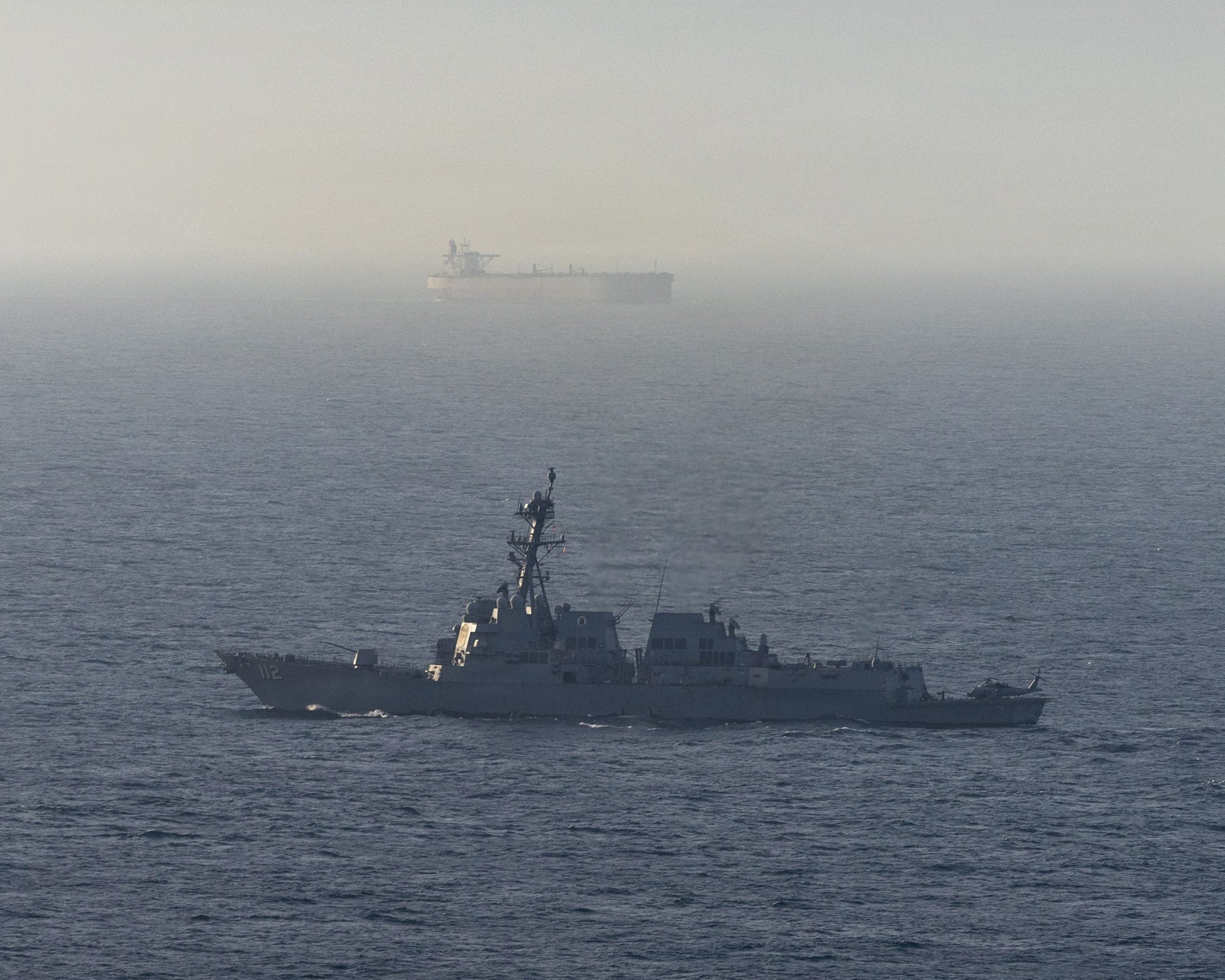
In the meantime, the US military was continuing a blockade on ships travelling to and from Iranian ports through the Strait of Hormuz – the “chokepoint” of global oil and gas transport.
Hegseth, who was greeted by protesters opposed to the war with Iran before entering the hearing on Wednesday, said the Pentagon had “looked at all aspects” of the risks of Iran blockading the Strait of Hormuz.
But Caine, the top US military officer responsible for advising the White House on the use of force, only said that the US military had considered “a full range of military options that are carefully considered with the associated risks”.
Democratic lawmakers also questioned why Washington was designating China as its primary threat while withdrawing troops from the Indo-Pacific theatre and redeploying them to the Middle East with the Central Command.
Caine said that Trump needed to make “trade-offs”, adding that: “I’m sure he has done so in this case based on the military options we’ve presented, along with the associated risks and advice”.
But Democratic congressman Joe Courtney said that deploying excessive military forces to attack Iran – which the Trump administration had described before the war as “weaker and more vulnerable than it has been in decades” – defied “common sense”.
On April 3, the White House released its budget request for financial year 2027, which includes a defence budget of US$1.5 trillion – the highest in history.
In defending this budget, Hegseth said it would ensure that the US “continues to maintain the world’s most powerful and capable military as we grapple with a complex threat environment across multiple theatres”.
Republican Mike Rogers, the committee chair, also endorsed this massive military spending, stating that Trump’s ambitious budget “accounts for the true cost of American deterrence”.
Rogers said this spending would allow the US military to “truly catch up in our modernisation efforts by quickly deploying new munitions, aircraft, ships, land, space and autonomous systems to replenish and expand our arsenal”. -- SOUTH CHINA MORNING POST