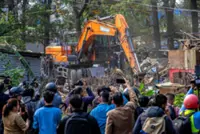
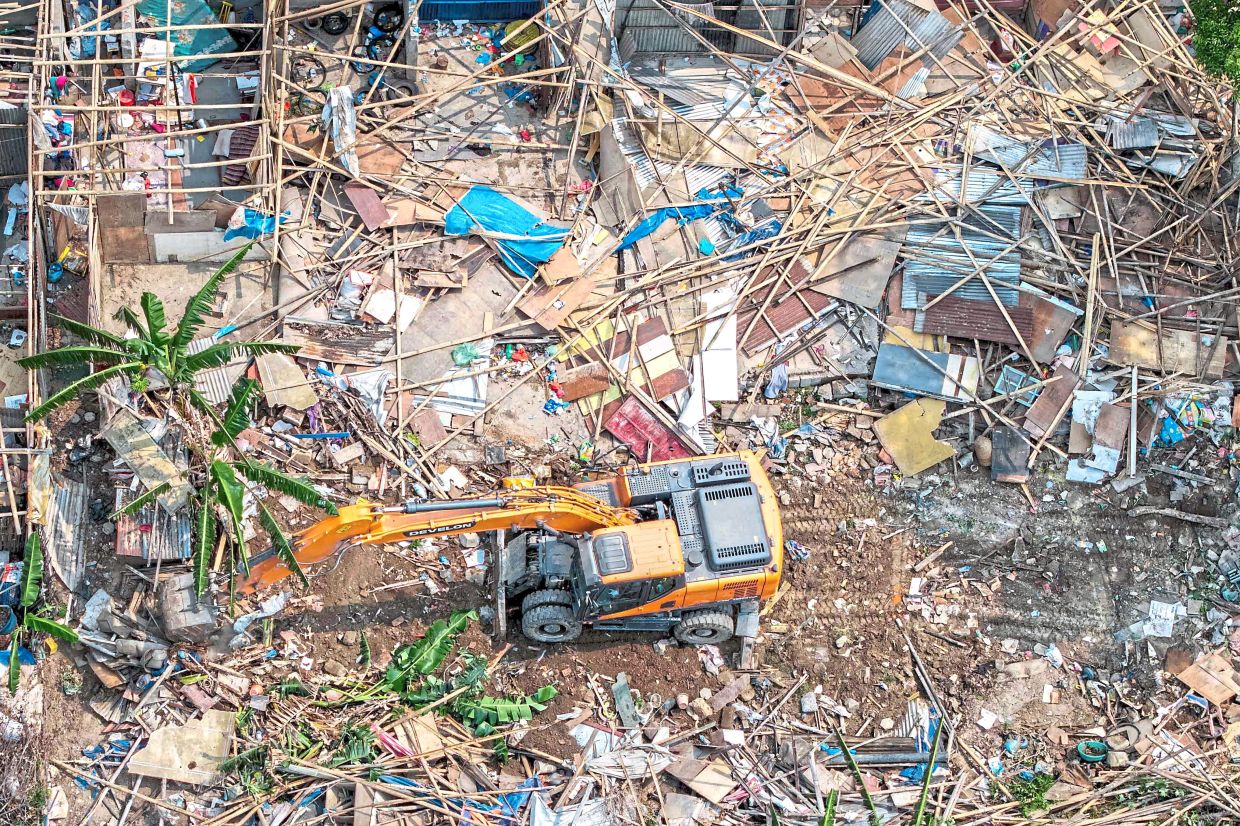
Nepali authorities have begun demolishing informal settlements that are home to thousands of people along river banks of the capital, despite criticism from rights groups.
Squatters have been living for decades on the banks of the Bagmati river and its tributaries which crisscross the Kathmandu valley.
Many live in flimsy shelters of wood and sheet metal shacks.
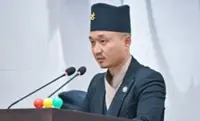
Under a directive from newly- elected Prime Minister Balendra Shah, bulldozers rolled in early yesterday with a heavy police presence to clear out the area.
“We are clearing out the settlements today in this area,” Bhishnu Prasad Joshi, chief of Kathmandu Metropolitan city police said.
Joshi said that authorities had told residents to evacuate by Friday evening ahead of the demolition.
“We are here to assist them if they do not have any place to go.”
The eviction took place peacefully, with residents carrying bags and loading furniture and belongings into small trucks.
“I don’t know if I should live or die, because I don’t have a place to stay right now,” said Puspa Kaasai, 65, who called the area her home for three decades.
Shah defended the demolition, writing on social media on Friday that it was important to remove citizens from “unorganised and flood-prone” areas.
“This government will provide a permanent solution to this problem that has been going on for years,” he said, adding that genuine squatters will be distributed land.
Shah also said the relocation would help with Kathmandu’s drainage system, improving the state of rivers that are choked with rubbish and polluted.
“It’s OK for me, the government has done it. Staying here, you have to fear floods, so I think in some ways, it’s a good decision,” another resident Dambar Bahadur Tamang, 38, said.
Amnesty International said that forced evictions reflect “a dangerous erosion of lawful governance and signals an increasingly authoritarian approach”.
“Evicting families without prior verification, meaningful consultation or guaranteed alternative housing undermines that commitment and risks turning a governance challenge into a preventable human rights crisis,” Nirajan Thapaliya, Director of Amnesty International Nepal, said in a statement on Friday. — AFP