




A Hong Kong film adapted from the 2010 Manila hostage crisis, which led to the deaths of eight Hongkongers, has stirred online debate, with some questioning whether it could cause “secondary trauma” and others saying it offers lessons from the past.
Titled Beyond Hostage Crisis, the film was released in Malaysia in April and is set to open in Hong Kong on May 28.
Information about the 90-minute film starring newly crowned Hong Kong Film Awards best actress Fish Liew Chi-yu is available on the MCL Cinemas website.
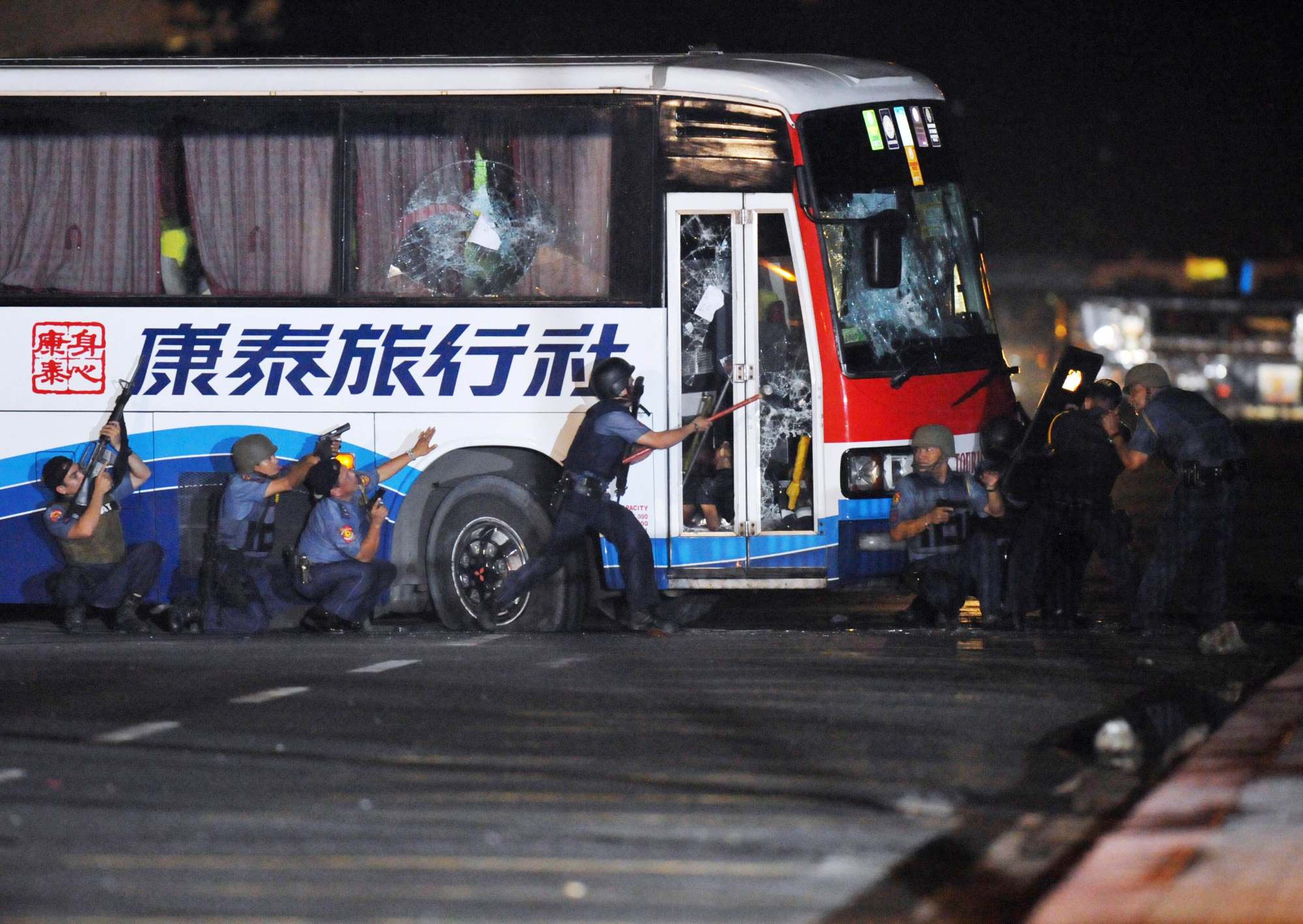
The plot is based on the August 23, 2010 hostage crisis, in which a 55-year-old former police officer armed with an M-16 rifle hijacked a tour bus carrying 22 Hong Kong tourists and three Filipinos in Manila.
He demanded reinstatement and later released nine people during negotiations, including two Filipinos.
After a 12-hour siege, seven Hong Kong tourists and the tour guide were killed, while seven survived. The gunman was later found dead with a gunshot wound to the head.
The incident deeply shook Hongkongers, many of whom watched it unfold live on television.
On social media platform Threads, users expressed mixed reactions to the film’s release.
“I watched it all on television back then – why would I want to watch it again?” one user said, followed by a string of crying emojis.
“I will remember that [incident] for the rest of my life, from the moment when the hostages could still open the curtains to peek out of the window, and the tour guide was still looking around at the back of the bus ... I truly believed they would be OK, and then the gunshots, the screams ...”
Another user lashed out at the film.
“Do they think Hongkongers have not suffered enough? We have not healed from the Wang Fuk Court tragedy yet, and now they want us to relive the hostage crisis all over again? This is insane,” the user said in a post, referring to a Tai Po housing complex where 168 people were killed in one of Hong Kong’s deadliest fires in November.
A third Threads user also questioned the film: “Will it cause secondary trauma to survivors and family members?”
But some users defended the film.
“I believe the film has its value – to let the next generation who did not live through it know that this event actually happened,” a Threads user named “kena280” said.
Another user noted that many wars, collective traumas and earthquake disasters had also been made into films.
“The focus should be on honouring the victims and learning from the past, rather than being too sensitive and calling it a form of secondary trauma,” another user with the handle “dordor.neko” wrote.
Yik Siu-ling, a survivor injured in the incident, praised the film in a March interview posted on Facebook.
“It is a really good film, very touching. Especially under Hong Kong’s current climate, this film is really worth watching,” Yik said in Cantonese.
The film has been screening in Malaysia since early April.
Times Multimedia Innovation Limited was one of the production companies. According to the government’s Cultural and Creative Industries Development Agency website, the company’s contact person shares the same Chinese name as the film’s director, Tony Leung Hung-wah.
The South China Morning Post has reached out to Times Multimedia Innovation for comment.


