
SOUTH-EAST ASIA (dpa): They stretch across vast swathes of Russia, Canada, Indonesia, Brazil and the Democratic Republic of the Congo, acting as a kind of lung for the world and home to endangered iconic species such as the orangutan and the Siberian tiger as well as a source of raw materials for furniture and paper.
Forests also provide employment to 42 million people worldwide, around 1.2% of the world’s workers, according to the Food and Agriculture Organization of the United Nations (FAO), the International Labour Organization (ILO), and the Thünen Institute of Forestry in Germany.
"Across the sector, wood and wood product manufacturing remains the largest source of employment, accounting for approximately 58% of total forest employment, followed by forestry and logging, and pulp and paper manufacturing," the FAO said in a press release.
The number could seem high at first glance, given that much of the world has long since industrialized, urbanized, and added employment in sectors such as technology and services.
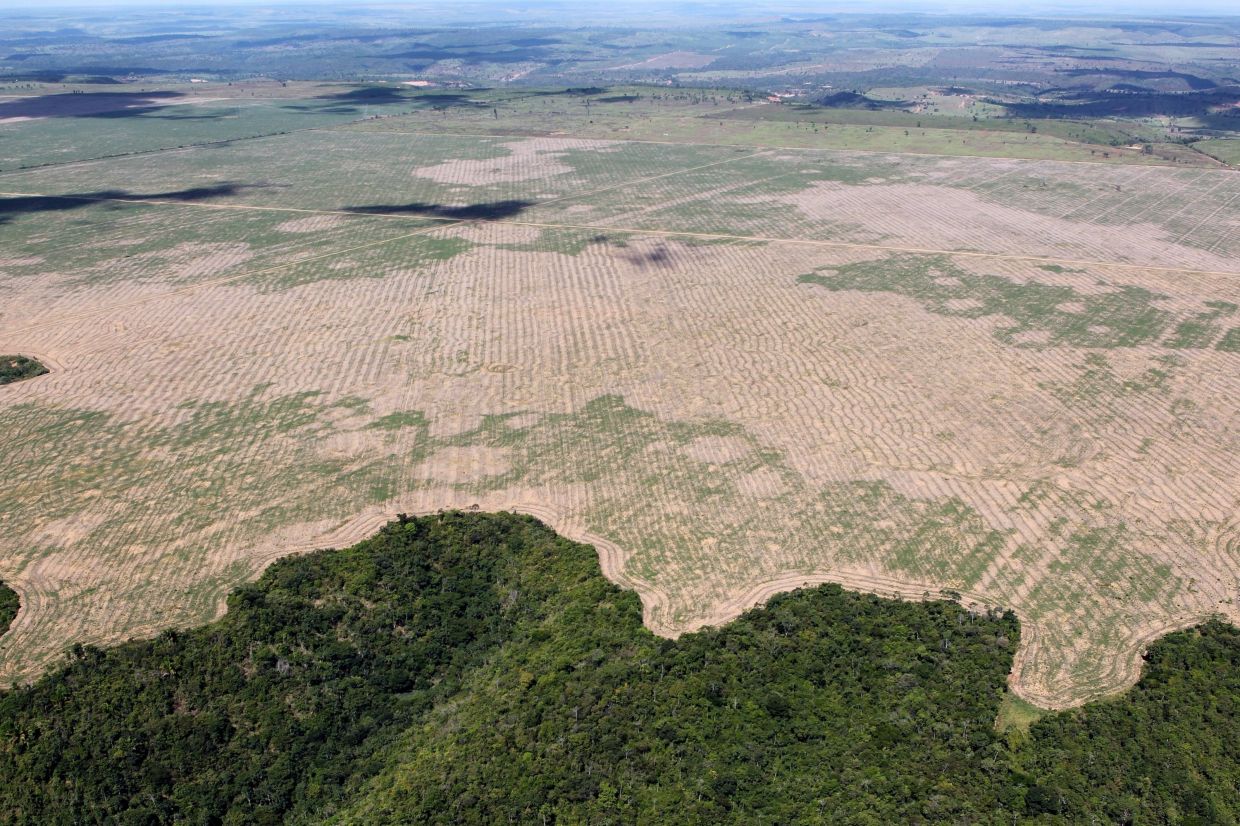
The decline in employment in forests is due in part to deforestation and net forest loss, with the FAO estimating around 10 million hectares cut down each year despite high-profile campaigns warning not only about habitat loss but also potential effects on climate.
Between 2010 and 2020, the world saw net forest loss of 4.7 million hectares per year, meaning that for every 10 million hectares razed, just over 5 million were planted.
Other estimates suggest that the world has lost around one-third of the forest it had at the end of the last Ice Age - an area about twice the size of the United States - with most of the destruction carried out over the past 300 years.
That said, there still is about 4 billion hectares of forest worldwide, 20% of which stretches over multiple time zones across the vast Siberia region and takes up an area almost equivalent to the United States.
Canada and Brazil are next with combined forested areas almost as big as Russia's. - dpa