
BANGKOK: Rising global energy costs are beginning to ripple through Thailand’s economy, pushing up prices across fresh food markets and raising concerns that broader household goods could follow.
Data monitoring by the Commerce Ministry shows a clear upward trend in both agricultural and consumer goods, with fresh protein products leading the increase as producers face higher input costs linked to energy price volatility driven by tensions in the Middle East.
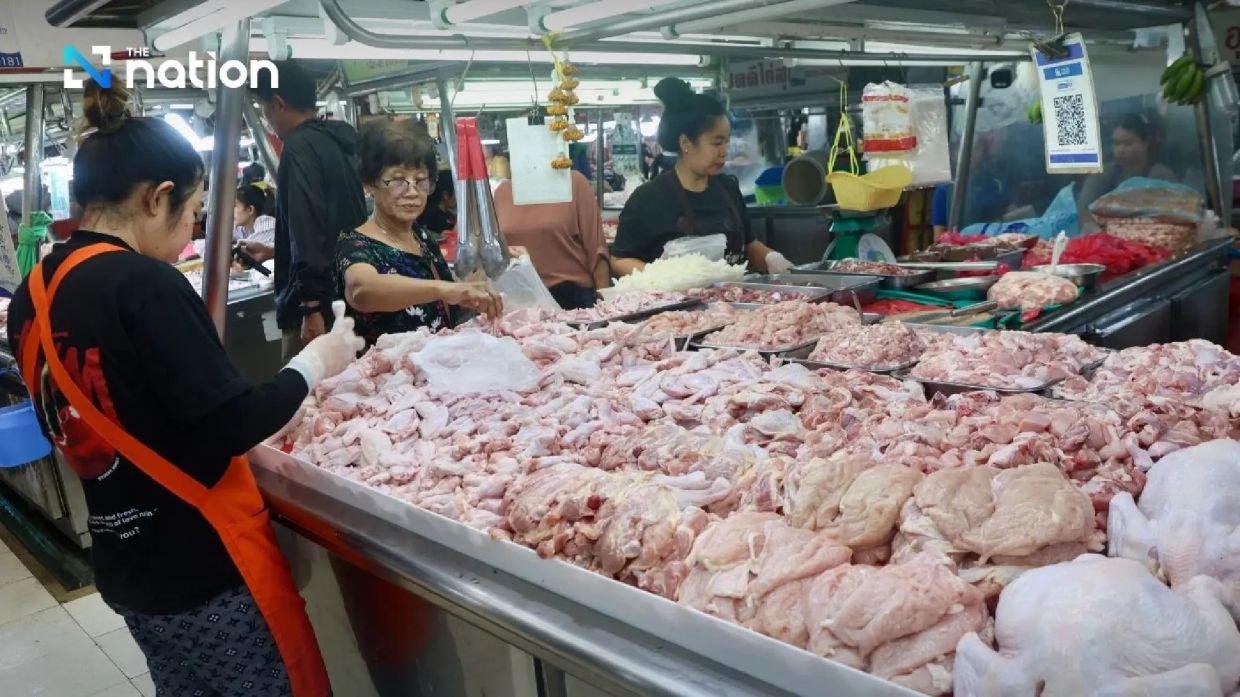
Among the most noticeable changes, fresh chicken prices have climbed steadily since early March. Chicken drumsticks, which were previously sold at an average of THB80–85 per kilogramme, rose to THB92–95 by April 17. Chicken thighs have also increased, moving from THB85–100 to THB95–100 per kilogramme.
Pork prices have followed a similar trajectory. Untrimmed pork leg cuts have risen to THB140–150 per kilogramme, up from THB130–145 recorded in early March. Meanwhile, eggs have also become more expensive. Popular size-three eggs increased from THB3.5–3.6 per egg in mid-March to THB3.90–4 by mid-April.
Vegetable prices have remained relatively stable overall. Kale and Chinese morning glory are still priced at around THB35–40 per kilogramme, while coriander remains in the range of THB90–100. However, limes have surged sharply due to seasonal factors, with prices rising from THB3–4 per fruit in March to THB6–8, as hot weather reduced supply.
The Office of Trade Policy and Strategy (TPSO) said a comparison of modern trade retail prices between March 17 and April 7 showed a clear pattern of increases, particularly in meat products, partly due to tightening supply.
Egg prices rose from THB121 to THB133 per tray, an increase of 9.9%, marking one of the sharper adjustments among essential goods. Pork prices increased across all categories, with notable rises including pork loin at Big C, up from THB129 to THB135 per kilogramme, and pork tenderloin at VR Fresh, rising from THB147 to THB152.
Other cuts saw even steeper increases. Pork shoulder at Big C rose from THB170 to THB184 per kilogramme, while trimmed tenderloin from CP jumped from THB143 to THB161, a 12.59% increase. Trimmed pork neck also climbed from THB182 to THB193. Overall, pork prices rose between 3% and 12.6%, with processed and value-added cuts seeing the largest increases.
In contrast, some consumer goods have not yet seen direct price hikes, as intense competition has pushed manufacturers to rely on promotions instead. For example, 1-litre vegetable oil, which previously sold at promotional prices of THB43–45, is now typically discounted to THB48–50, closer to its full price of THB50.
Shampoo products, commonly sold in sizes ranging from 350ml to 380ml, continue to retail between THB99 and THB179 under standard promotional campaigns. Laundry detergents and liquid detergents show varied pricing depending on size and formulation, with smaller packages more volatile, while larger formats remain relatively stable.
TPSO director-general Nantapong Chiralerspong said the Producer Price Index (PPI) is expected to rise and remain volatile in the second quarter of 2026. Energy prices and exchange rate movements are key factors driving production costs higher.
Despite these pressures, some producers have not fully passed on cost increases due to weak purchasing power and strong competition both domestically and internationally.
Meanwhile, pressure is building for further price adjustments. According to the Commerce Ministry, the Central Committee on Prices of Goods and Services is reviewing requests from businesses seeking to raise prices on three key items: bottled palm oil, shampoo and soap.
Deputy Prime Minister and Commerce Minister Suphajee Suthumpun said authorities are currently assessing the requests based on cost structures, with decisions expected within 15 days. Four palm oil producers have already submitted applications, and discussions with operators will be held before any approval is granted.
For now, no price increases have been authorised but the direction of travel is clear, as cost pressures continue to build across the supply chain. - The Nation/ANN