For most ordinary people in ancient China, using the toilet was a routine necessity.
In the imperial court, however, even the most private act became a carefully staged display of status and ritual.
Papermaking, one of China’s Four Great Inventions, had emerged by the Han dynasty (206 BC–220), yet paper remained too precious for daily use.
Instead of toilet paper, commoners relied on leaves, pebbles, or tiles for personal cleaning, while the elite used silk or cloth. They also employed slender wooden or bamboo strips called ce chou, some of which were lavishly crafted from gold or jade and were washed and dried after each use.
However, their hardness made careless handling painful, even dangerous, and limited their effectiveness in cleaning.
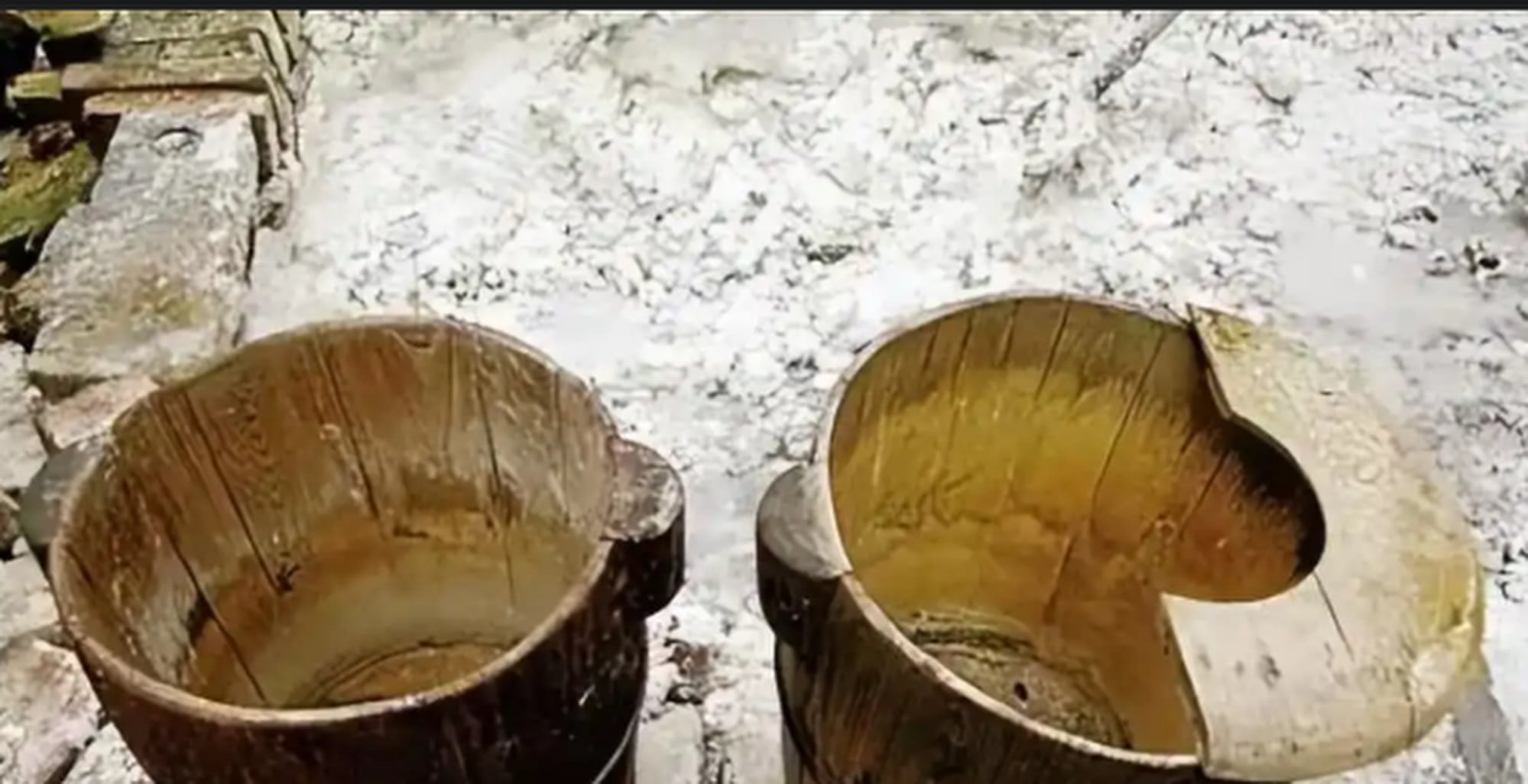
According to the Book of Southern Tang, Emperor Li Yu personally prepared ce chou for monks, testing its smoothness against his own cheek.
Archaeological evidence indicates that China’s earliest toilets, dating back roughly 5,000 years, were simple pits located outside homes in Xian, Shaanxi province, northwestern China. Once filled, these pits were covered with soil.
By the Zhou dynasty (1046–256 BC), sewage and waste management had become more sophisticated; palace servants poured water into toilets, channelling waste into collection pools for use as fertiliser or livestock feed.
Early toilet designs were crude, and accidents were common. The Zuo Zhuan recorded that Duke Jing of Jin, monarch of the Jin state, reigned 599–581 BC, drowned after falling into a latrine pit.
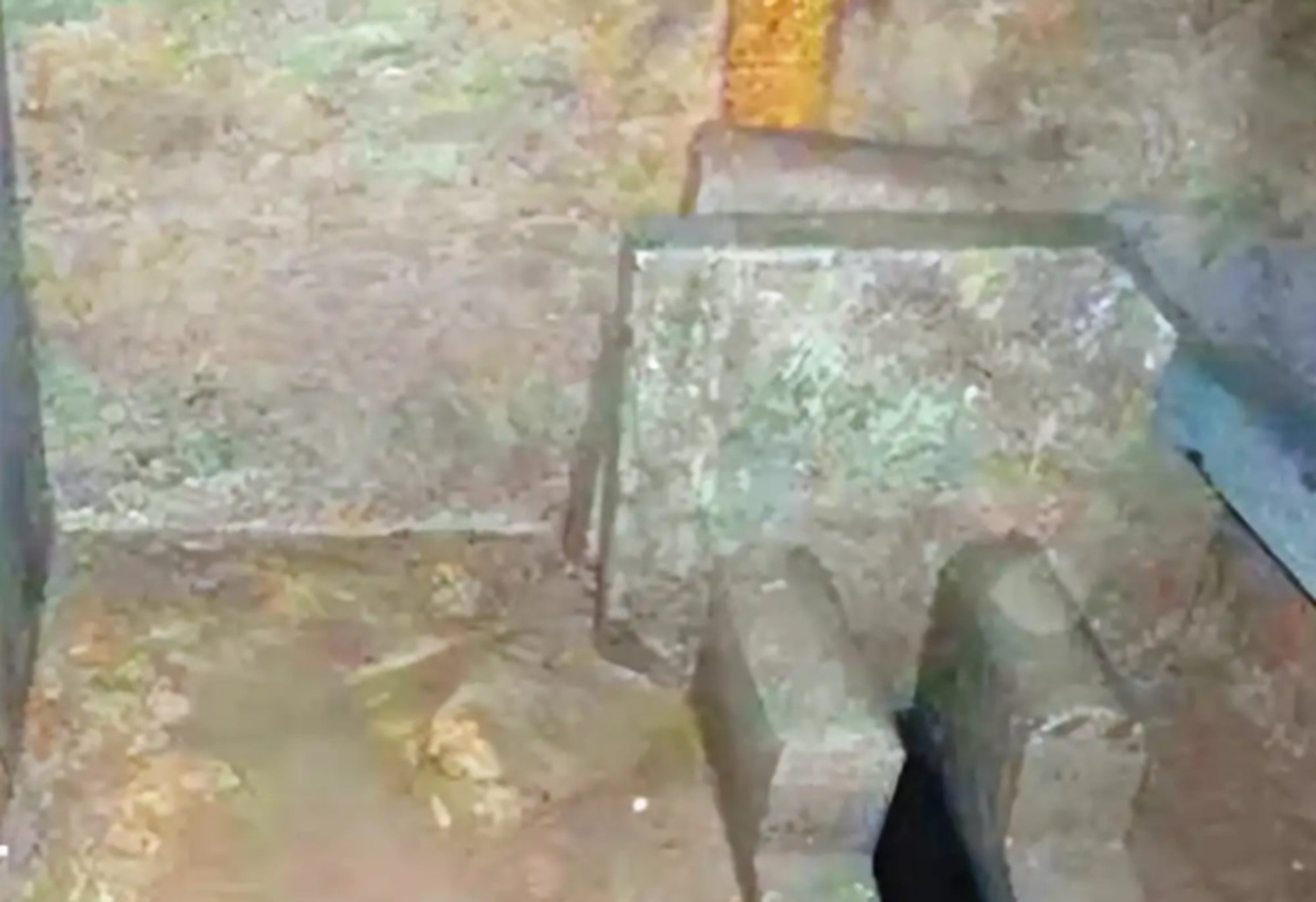
During the Qin dynasty (221–206 BC), toilets were upgraded with ventilation holes and skylights, and noble facilities often featured footrests and handrails.
In the Han dynasty, imperial toilets became portable, crafted from jade in designs resembling modern seats. Royal family members sometimes plugged their noses with dried dates to mask foul odours.
According to the historical text Yulin, the official Shi Chong (249–300) became famous for the extravagance of his toilet.
Draped with gauzy curtains, it was so lavish that visitors often mistook it for a bedroom.
Inside, maidservants held scented pouches, assisted with dressing, and handed him skincare products.
Among commoners at that time, toilets were frequently built above pigsties, combining sanitation with livestock management.
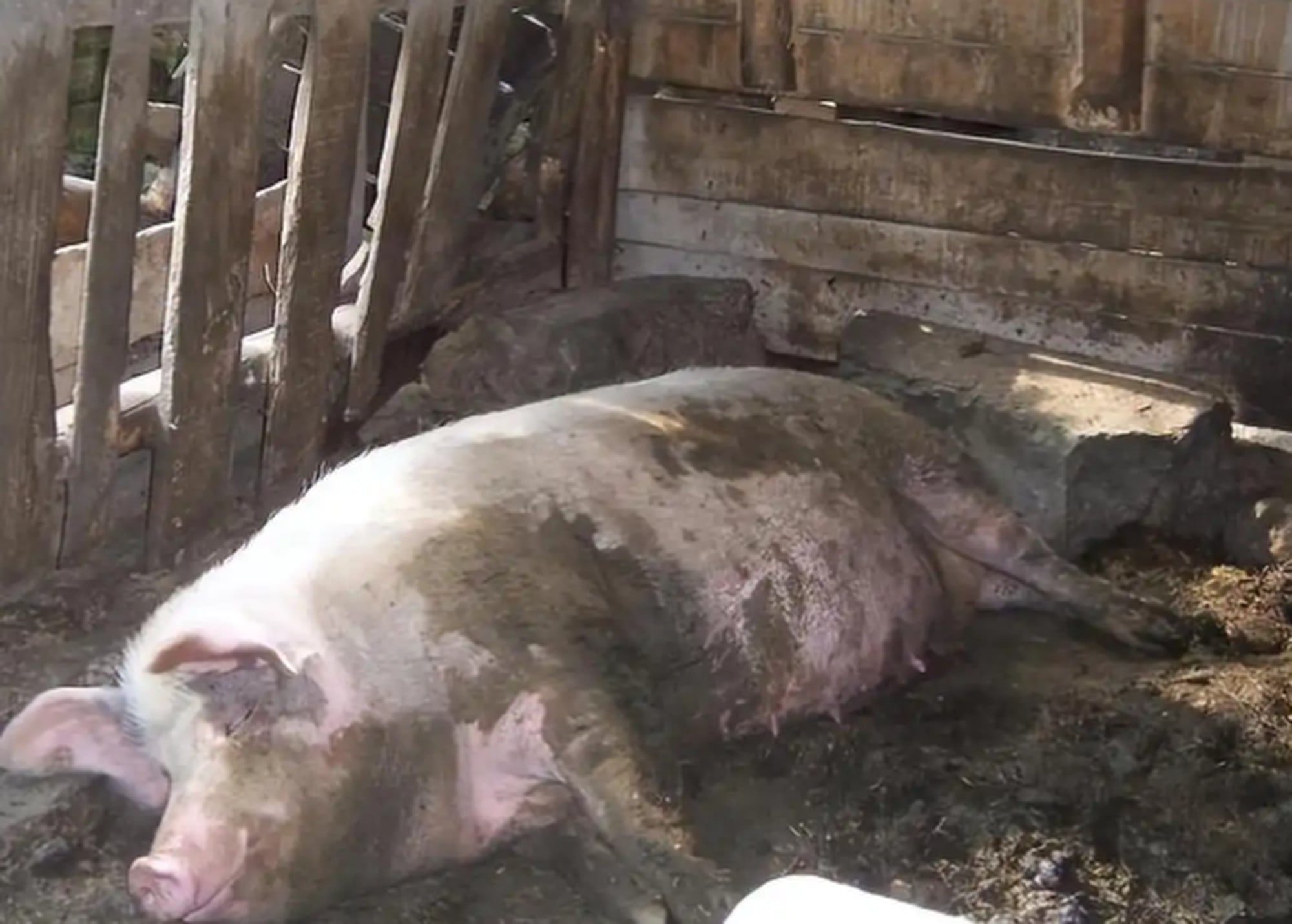
In one infamous episode recorded in the Shiji, Empress Lü had the limbs of her favoured concubine Qi severed and confined her to a toilet, humiliating her as a “human pig,” since such spaces were considered fit only for pigs.
Ancient royal nobles often followed elaborate rituals when using the toilet, changing clothes and burning incense, attended by multiple servants.
Aromatic wood and charcoal ash were also placed beneath the seat to mask odours.
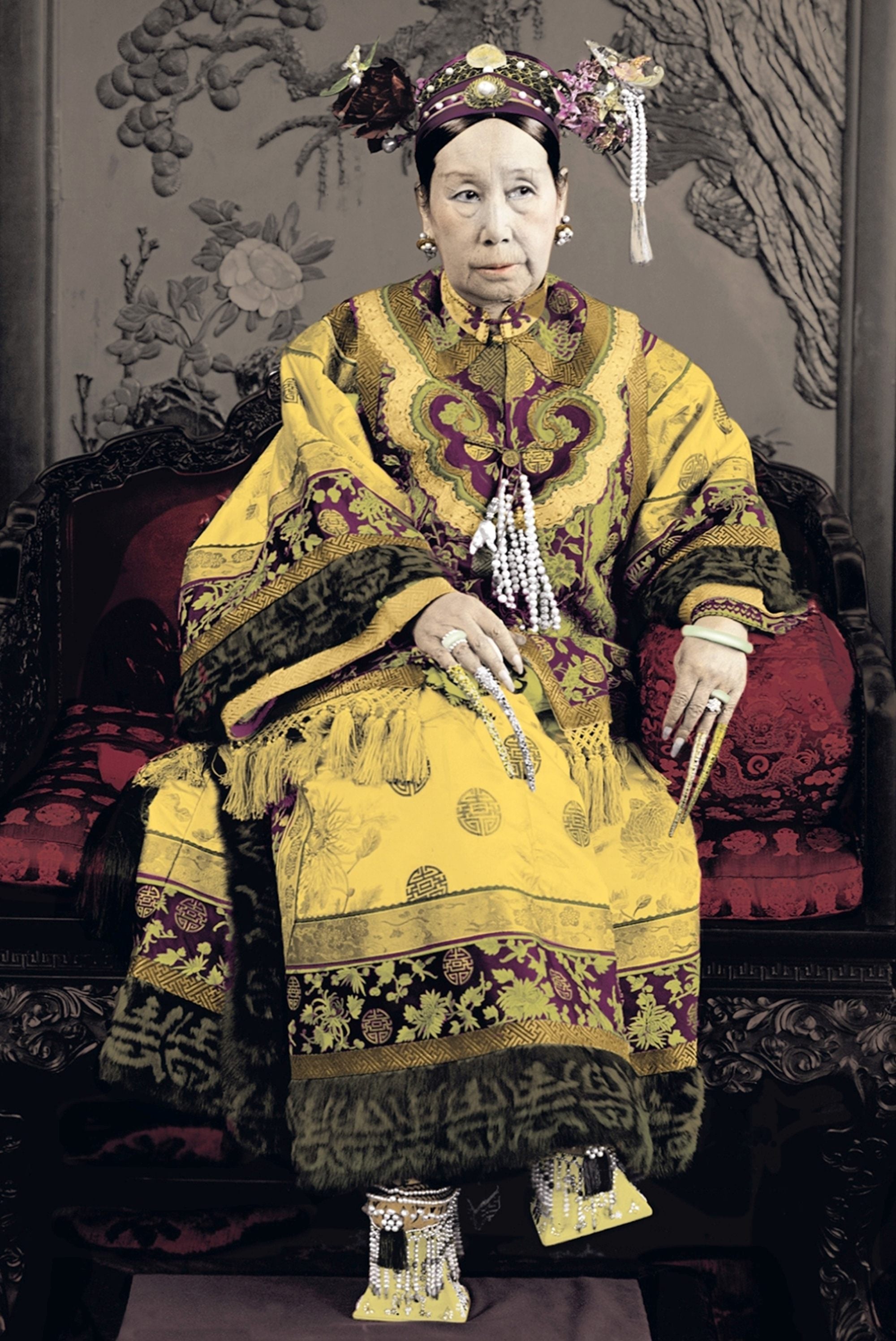
Reports suggest that Empress Dowager Cixi had 28 attendants managing every aspect of her toilet routine, while eunuchs carried the toilet over their heads into the room.
Some attendants handed her toilet paper, others provided cushions, and still others tended to the incense and washing.
The Miscellaneous Records of the Old Capital described her toilet as extraordinarily luxurious, reportedly made from high-quality sandalwood and shaped like a gecko.
For ordinary people, public toilets were often crude and overcrowded, with streets sometimes temporarily converted into open-air latrines.
The earliest public facilities in China date back to the Xia (2070–1600 BC) and Shang (1600–1050 BC) dynasties, when roadside open toilets were common.
By the Song dynasty (960–1279), city administrations enforced stricter management, with dedicated workers collecting and disposing of waste.
In the Qing dynasty (1644–1912), public toilets charged fees, and some managers even stocked them with novels and advertisements to attract visitors.
Ancient Chinese people also worshipped a toilet goddess for luck, fertility, and justice. Known as Zi Gu, her story exists in multiple versions.
One account describes her as a concubine of a Tang dynasty (618–907) official who was murdered in a toilet; another states she was a consort of a Han emperor.
Remembered as kind and gentle, she was regarded as a spiritual guide by many ancient women, who visited toilets to honour her during the Lantern Festival. -- SOUTH CHINA MORNING POST