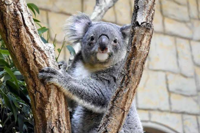
PUNCH the baby snow monkey and his stuffed orang utan have captured hearts worldwide, spawned memes and even won over the White House with their charm.
But in the wild, his fellow Japanese macaques often have a starkly different image: pests to be shooed away or even eliminated to prevent economic damage to farmers.
The agriculture ministry estimated that monkeys caused ¥770mil worth of damage in 2024 – enough for Japan to sanction the capture and killing of thousands of primates every year.
The treatment of the monkeys is an issue that divides those who suffer the consequence of stolen crops and others who advocate for a more humane solution.

“It’s important to put countermeasures in place to prevent damage,” said Takayo Soma, a primatologist at Kyoto University.
“But it isn’t very scientific to cull a certain number of monkeys without proper justification.”
Killing a troop of monkeys only invites another to take its place, rendering the practice ineffective and “never-ending”, said Shigeyuki Izumiyama, a professor at Shinshu University.
Instead, some advocate for non-lethal measures such as electric fences and “monkey dogs”, or pet dogs that can be trained to chase the intruders away across an entire mountain.
Apple farmer Takumi Matsuda, one of few agriculturalists enamoured with snow monkeys, said humans need to recognise the role they play in causing the problem in the first place, such as by encroaching on the critters’ natural habitat.
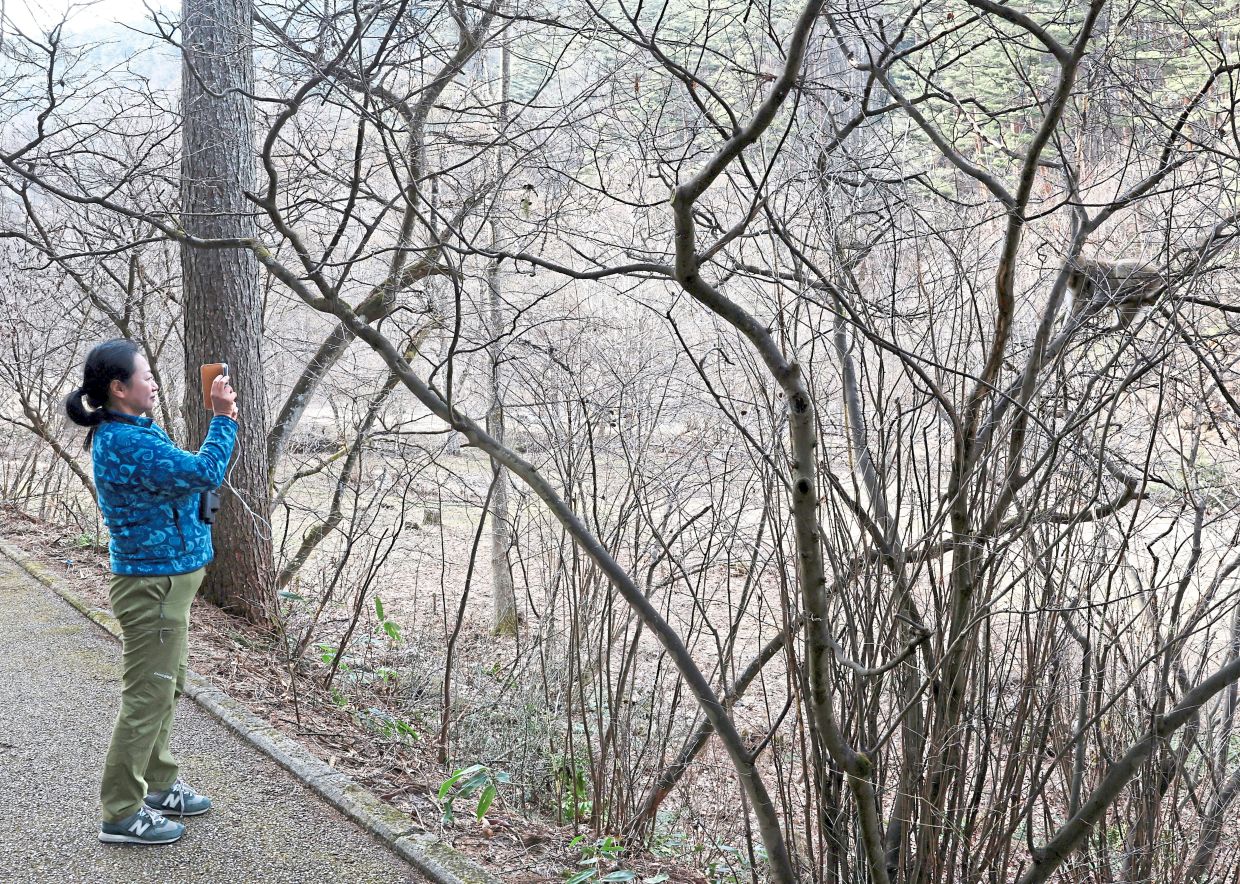
Matsuda has amassed a following on Instagram by sharing photos and videos he takes of the primates in the mountains of Nagano prefecture, but said he also understands farmers’ concerns.
“It’s not that farmers hate the monkeys; they are worried about the impact on their livelihood,” he said.
“I really hope Punch will be a starting point for a lot more people to go and see real Japanese macaques living in the wild.” — Reuters