
SJ Semiconductor, a key player in China’s advanced chip packaging sector, has received approval to list on Shanghai’s Nasdaq-style Star Market on Tuesday, marking a fresh step in the country’s push for semiconductor self-reliance amid US restrictions.
Its planned initial public offering (IPO) marks a significant milestone for China’s chipmaking industry, as Beijing pivots towards the high-stakes field of advanced packaging.
The move also reflects how companies across China’s semiconductor supply chain are moving to meet surging demand for home-grown AI chips amid the global artificial intelligence frenzy.
What is advanced chip packaging?
At its core, advanced semiconductor packaging refers to a suite of manufacturing processes that integrate multiple dies into a single, high-performance electronic package.
By moving beyond the limits of a single silicon die, this approach boosts processing capability while reducing power consumption and production costs.
SJ Semiconductor uses advanced techniques including 2.5D and 3D-integrated circuits, heterogeneous integration and fan-out wafer-level packaging.
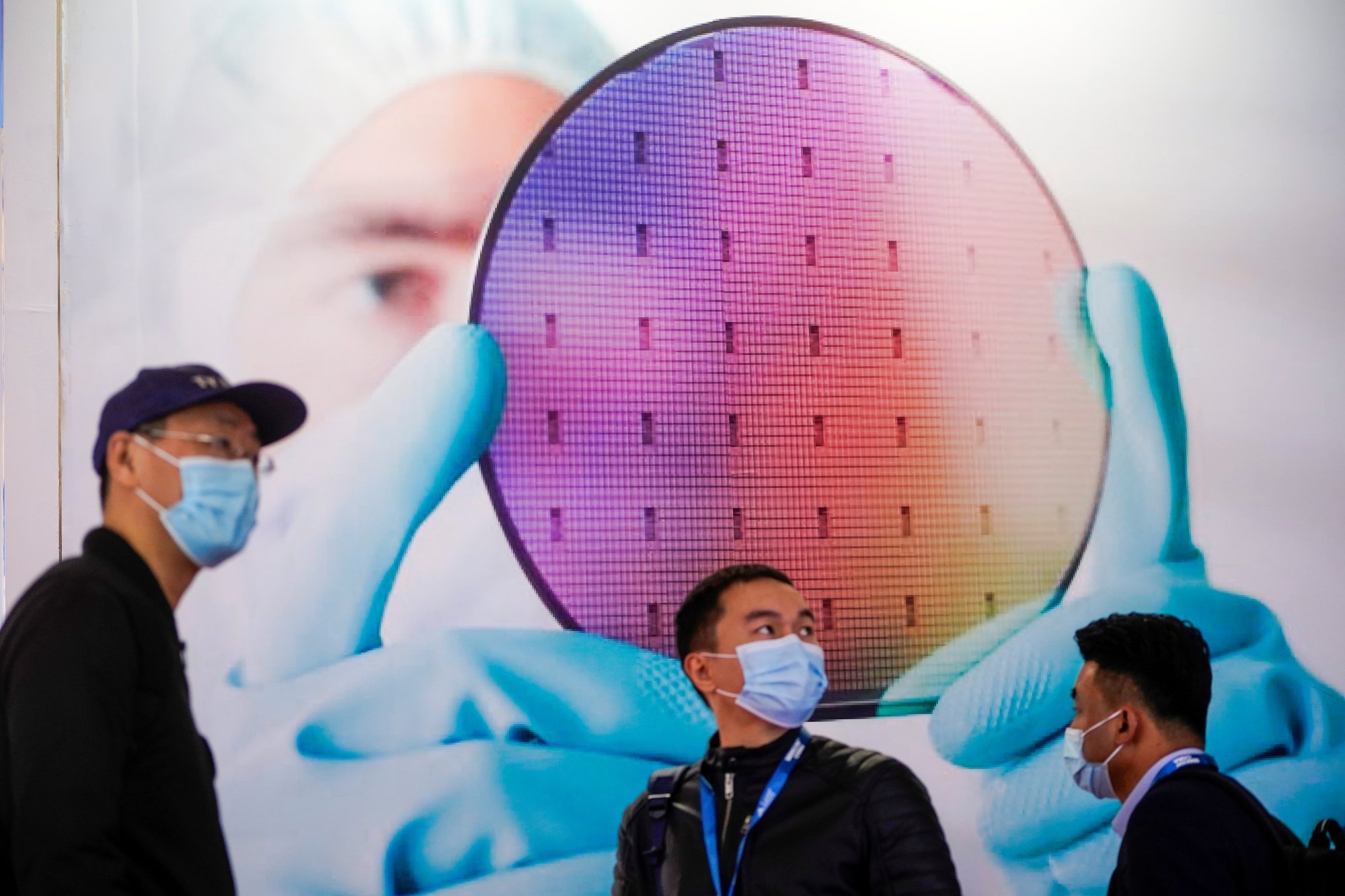
Each method represents a different way of assembling chips from a wafer into a single, electrically connected unit protected by plastic, metal or glass. These packaged chiplets are then mounted onto printed circuit boards, forming the high speed core of electronic devices.
Why does SJ Semiconductor’s IPO matter?
The planned IPO comes as Beijing accelerates its drive for chip self-sufficiency, seeking to bypass Western export restrictions by focusing on so-called “More than Moore” technologies – approaches that use advanced packaging to combine multiple domestic chips into high-performance systems.
SJ Semiconductor has emerged as a key link in this sovereign supply chain, providing the 2.5D and 3D integration capabilities needed to power the country’s next generation of AI and high-performance computing hardware.
According to research firm Gartner, SJ Semiconductor ranked as the world’s 10th-largest packaging and testing company and the fourth-largest in China in 2024. Its revenue compound annual growth rate from 2022 to 2024 was also the fastest among the global top 10.
The company has received backing from the China Integrated Circuit Industry Investment Fund – known as the “Big Fund” – a flagship vehicle supporting Beijing’s push for technological self-reliance in semiconductors, which helped coordinate major capital injections.
SJ Semiconductor is seeking further funding to meet rising domestic demand for advanced AI chips. Through the IPO, it plans to raise 4.8 billion yuan (US$700 million), of which about 4 billion yuan would be allocated to a 3D chip packaging project, according to its prospectus.
Who is SJ Semiconductor?
SJ Semiconductor was founded in 2014 in Jiangyin, a city in eastern Jiangsu province, and grew with support from some of China’s largest semiconductor players. The company was formed through a strategic alliance between Semiconductor Manufacturing International Corporation (SMIC) and Jiangsu Changjiang Electronics Technology Group, China’s leading chip foundry and top packaging firm, respectively.
SMIC, once a major shareholder, sold its entire stake for about US$400 million in 2021 – a move widely seen as part of efforts to spin off SJ Semiconductor and reduce the risk of it being targeted by US restrictions. The two companies, however, have maintained close cooperation in manufacturing and packaging.
The firm began with advanced 12-inch silicon wafer processing and has since expanded to offer a full range of advanced packaging and testing services, including wafer-level and multi-chip integration.
It now provides packaging services for high-performance chips such as graphics processing units, central processing units and other AI-related semiconductors, according to the company.
SJ Semiconductor has also seen a significant shift in its revenue mix.
Its chiplet-based multi-chip packaging business, which accounted for just 5.3 per cent of revenue in 2022, rose to more than 56 per cent by mid-2025. The expansion reflects strong demand from the mainland’s AI chip designers seeking alternatives to chip-on-wafer-on-substrate packaging, a proprietary technology of the Taiwan Semiconductor Manufacturing Company. -- SOUTH CHINA MORNING POST