The world’s largest human migration, China’s Spring Festival travel rush, could date back more than 2,000 years and reflects the history and development of China’s transport networks.
This year’s Spring Festival rush, or chunyun, takes place from February 2 to March 13, and is expected to produce a total of 9.5 billion passenger trips.
The chunyun is believed to first appear along with the invention of the term guo nian, or spending the New Year, in the Zhou dynasty (1046–256).
The New Year, which is also known as the Spring Festival, was celebrated with worshipping rituals to pray for a good harvest in the following year.
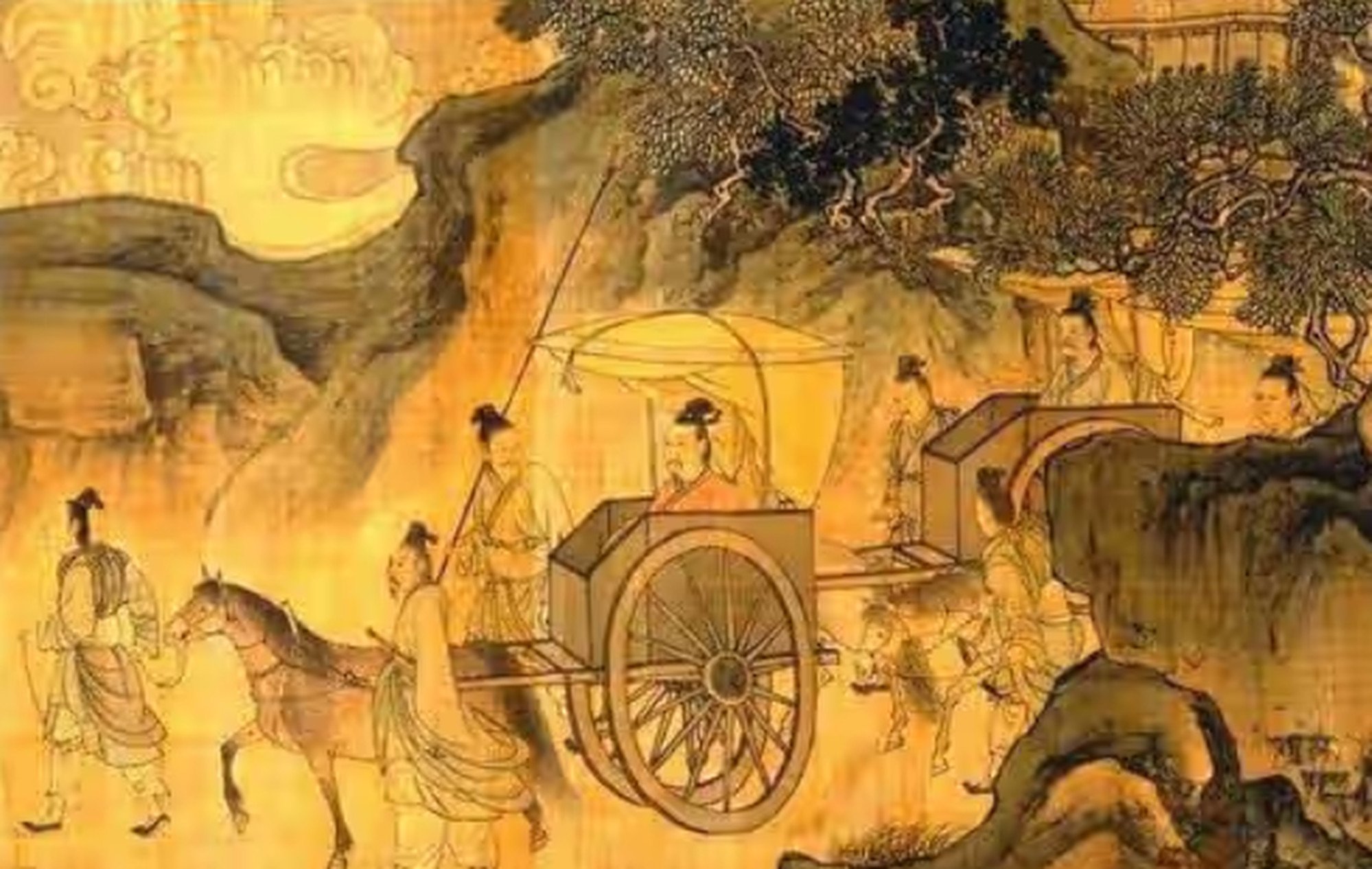
The tradition of family reunion during the period was also established then to demonstrate the Confucian value of filial piety.
In ancient China, it was mostly government officials, exam candidates and businessmen who engaged in Spring Festival travel.
Chinese population, farmers, were bound to their land, while people also followed the Confucian saying that “while your parents are alive, do not travel far”.
The history of Spring Festival travel also reflects the development of China’s transport infrastructure.
Under the reign of Qin Shi Huang, China’s first emperor, from 221 to 210 BC, the nationwide standardisation of road and cart axle widths enabled people to travel across the empire.
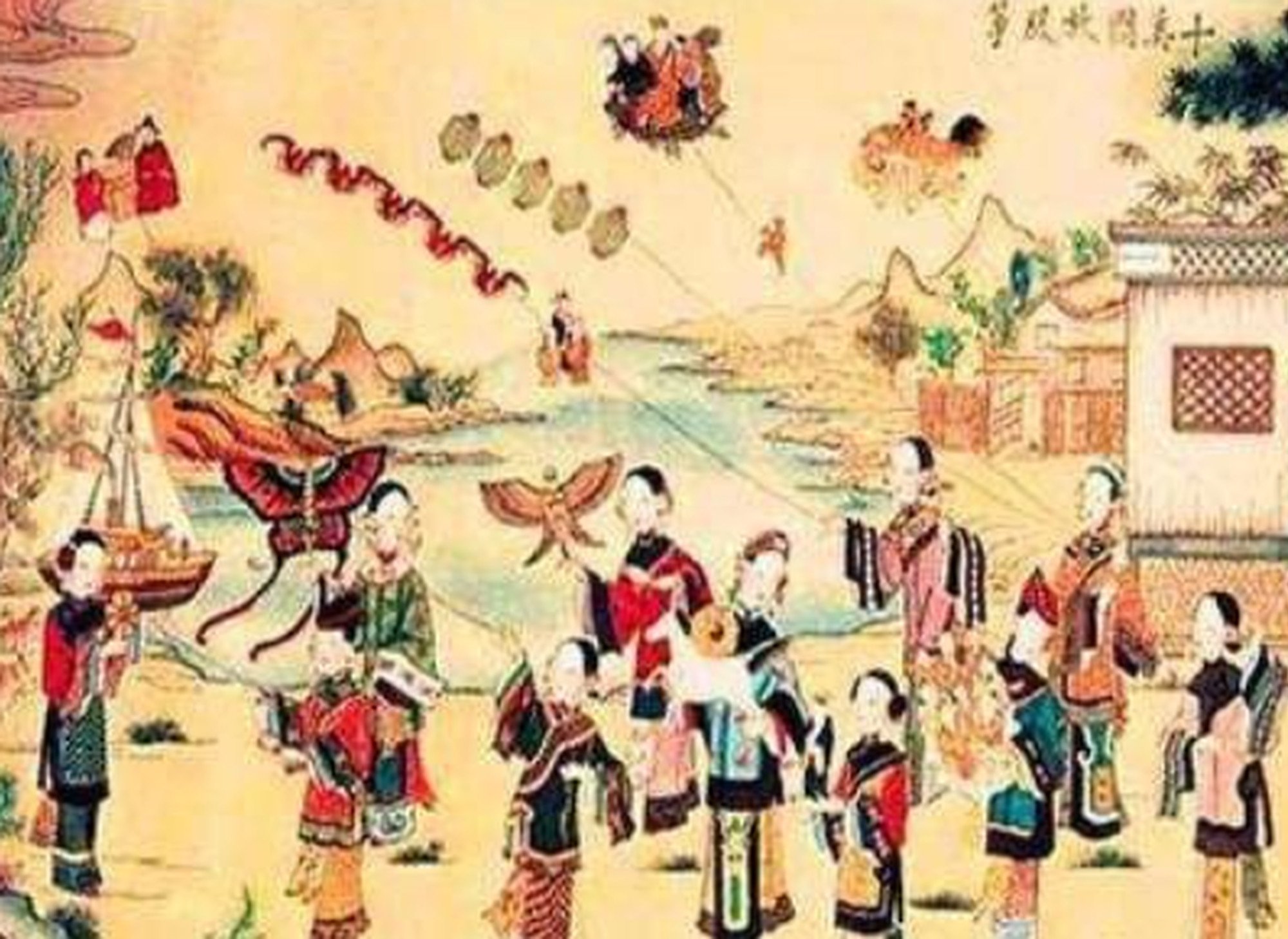
Qin Shi Huang also ordered construction of chidao, which is literally translated as “speed ways”.
They stretched out from the capital city Xianyang in multiple directions across China and were thousands of kilometres long in total.
During the Sui and Tang dynasties (581-907), China’s waterborne transport infrastructure was massively developed.
It was also during this time that China’s Grand Canal, a waterway system that connects Beijing to eastern Zhejiang province, was first completed.
Despite this development, trips remained extremely time-consuming due to technological limitations. People needed to set off at least a month in advance to get home in time.
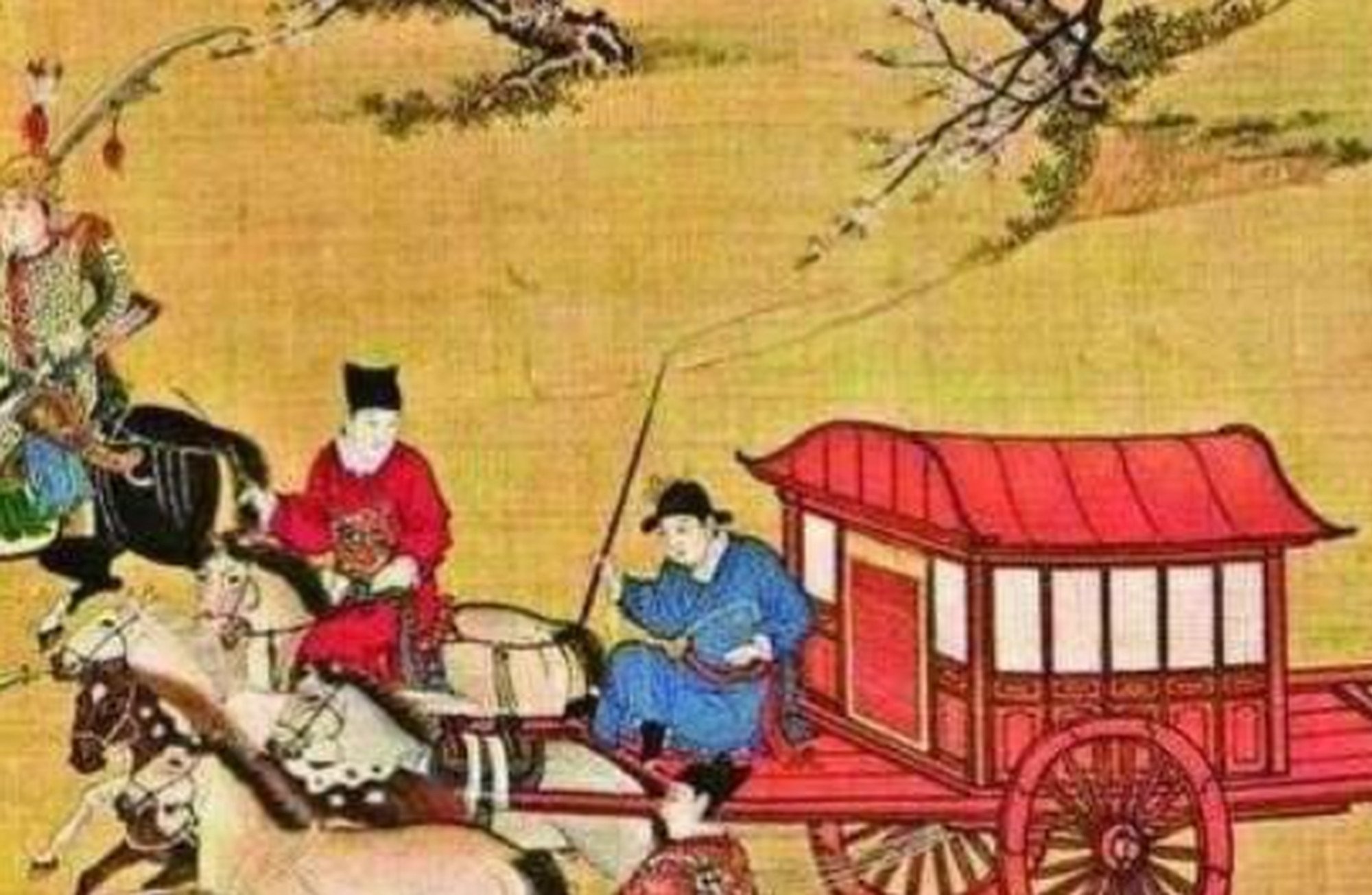
The difficult journeys were documented in ancient literature.
For example, Chinese poet and historian Ouyang Xiu (1007-1072) wrote that it took him two months to escort his mother’s body from his workplace in Yingzhou, today’s Fuyang city in Anhui province, central China, to their ancestral home in Yongfeng, in today’s Jiangxi province, and back to Yingzhou to spend the Spring Festival.
Today, the same trip only takes nine hours one way by car.
Traffic jams were also serious in ancient times.
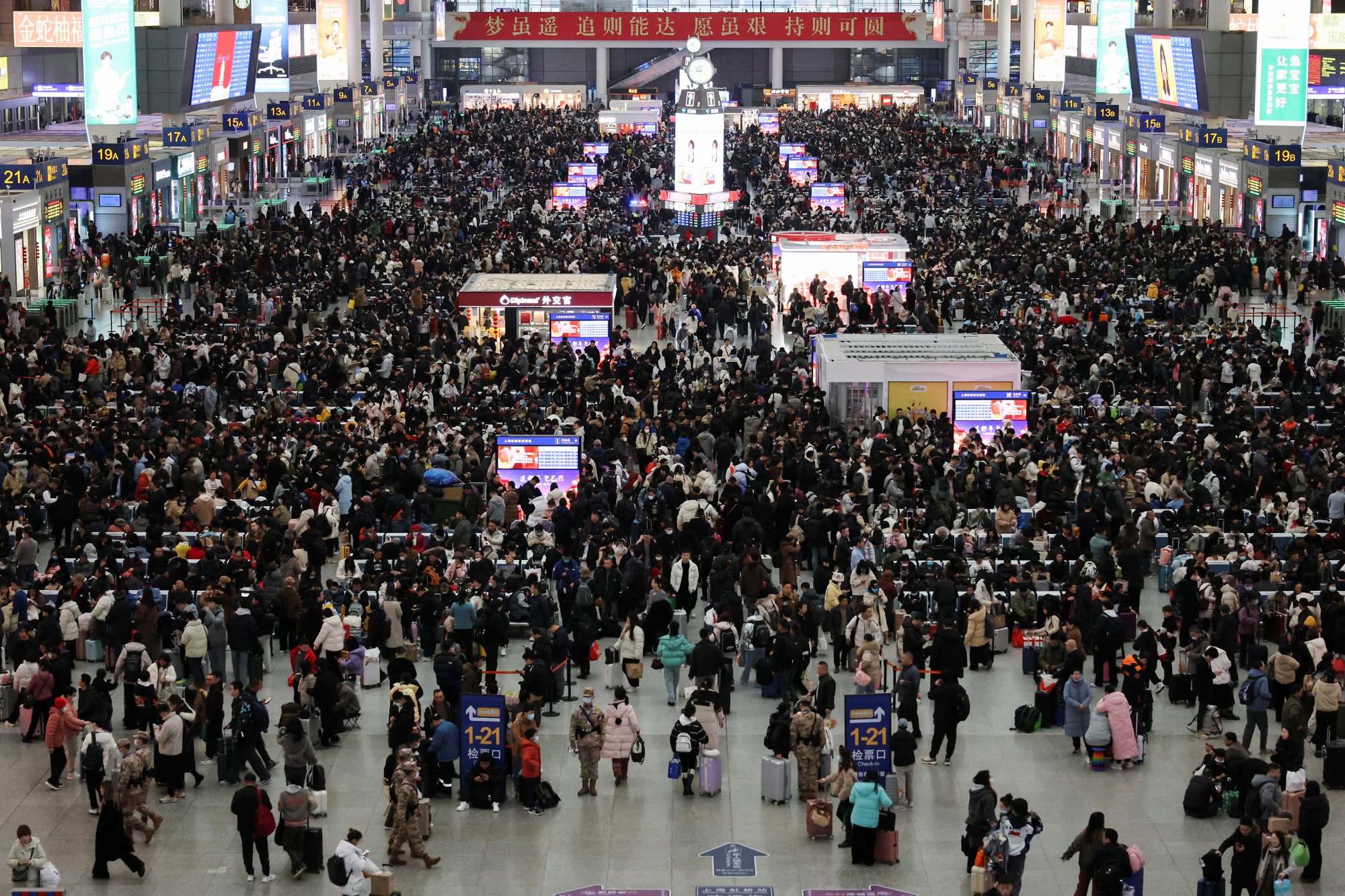
A Ming dynasty (1368-1644) minister called Wang Xijue expressed his frustration when he arrived at his hometown by water but got stuck for four hours at the port.
Ancient people tended to choose waterways as it was a much cheaper option.
Also, even if a person could afford to rent a cart and horses, there was also a strict hierarchy that regulated the type and size of carts that could be ridden according to social rank.
Danger was also a factor, including natural disasters, fierce wild animals and bandits on their journeys.
During the Tang (618–907) and Song (960–1279) dynasties, officials whose home was 3,000 km away from work were also given more than a month’s holiday, travel time excluded, to spend with their family.
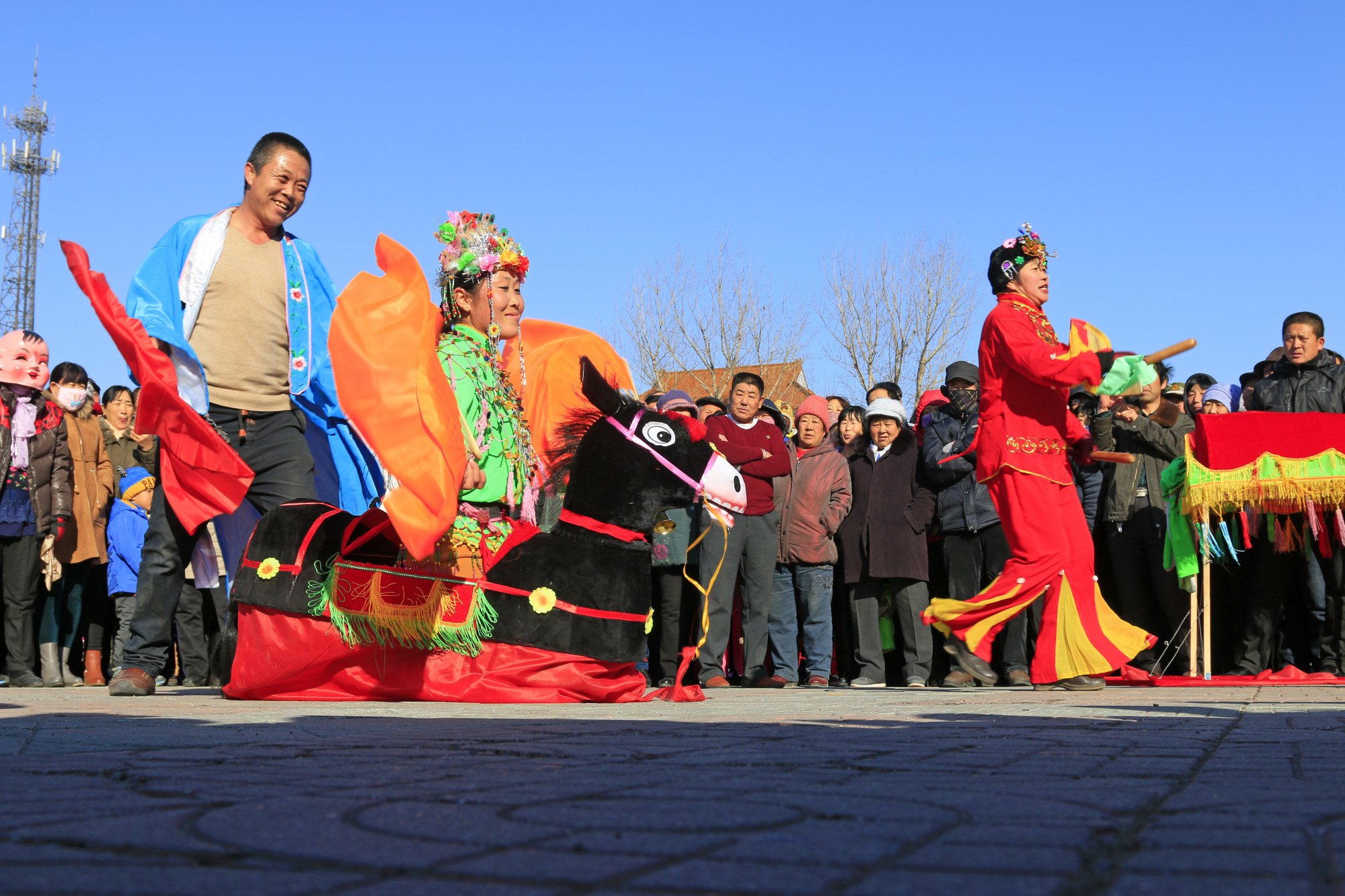
The word chunyun first appeared in a People’s Daily report in 1980 and was invented to describe the new migration trend that emerged following China’s reform and opening up, which witnessed more people travelling far for better opportunities.
Nowadays, a month’s holiday is considered a luxury in China. This year, China’s official Spring Festival holiday lasts nine days and requires people to work on two weekend days in lieu of weekday holidays.
The scramble for train tickets for the Spring Festival each year is described by many people as a “war”.
The country’s railway operator said it had sold a total of 140 million train tickets by February 8.
Some posted online that the tickets sold out almost instantly.
People also employed superstitious methods to increase their chances, such as operating their phones while putting them inside rice cookers.
Their theory was that a rice cooker can work as a Faraday cage and block undesired signals. -- SOUTH CHINA MORNING POST