
BANGKOK: It has become a hot topic that has animal lovers and the public on alert after the Ministry of Digital Economy and Society (DES) confirmed that reports of parrot fever (Psittacosis) in Thailand are true, not fake news, following a strict review by Thailand’s Anti-Fake News Centre (AFNC) under the government’s policy.
The first patient was found to have contracted the infection after keeping birds in a poorly ventilated area.
Thailand’s first case timeline and source of infection
Wetang Phuangsup, spokesperson for the DES (career civil service side), referred to monitoring results and fake-news reports received by the AFNC.
This follows the policy on preventing and addressing security and social threats set by Chaichanok Chidchob, Minister of Digital Economy and Society, which has elevated the importance of public awareness and resilience against technology-enabled crime, fake news and disinformation.
For the No. 1 item, the news is true: Thailand has found a psittacosis patient.
The DES coordinated with the Department of Disease Control under the Ministry of Public Health to confirm it as “true news”.
Thailand has found one psittacosis patient, identified in late 2025.
The patient had an underlying condition and a history of keeping birds in a poorly ventilated area, and did not use protective equipment while cleaning the cage.
The patient has since been treated and has fully recovered.
Psittacosis, a silent threat from birds, can lead to severe illness with one inhalation.
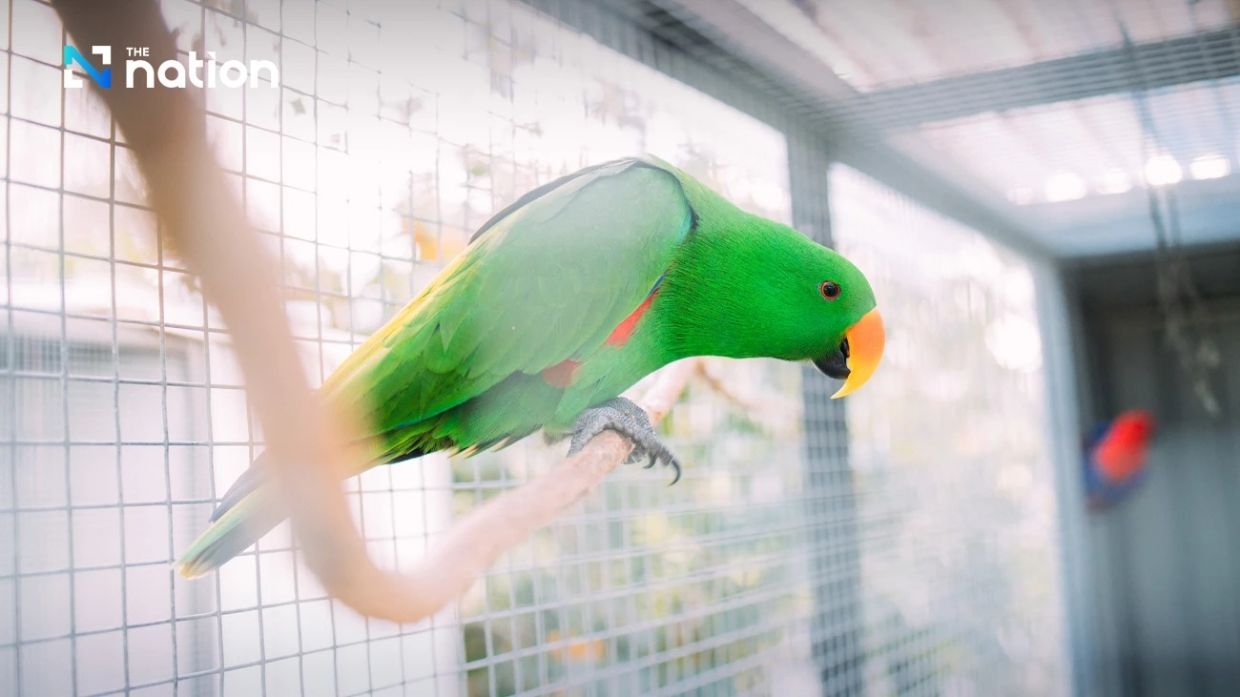
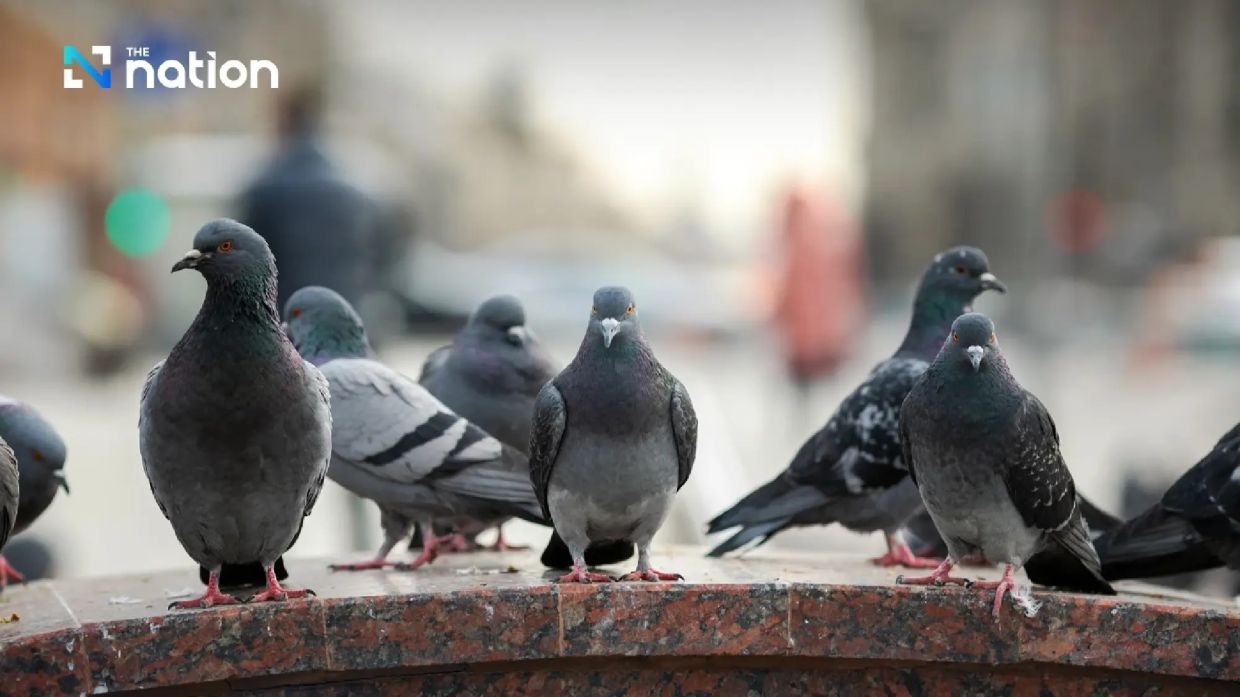
Psittacosis is caused by the bacterium Chlamydophila psittaci, found in many birds and poultry species, such as:
- Parrots
- Pigeons
- Ducks
- Turkeys
How infection occurs
People can become infected by inhaling airborne particles from dried droppings, feathers, or bird secretions.
What symptoms should you watch for
Psittacosis symptoms can appear similar to common respiratory illnesses, which may cause people to let their guard down.
Symptoms include:
- High fever and chills
- Severe headache
- Muscle aches
- Dry cough
High-risk groups requiring extra caution
People in close contact with birds or poultry, such as bird owners, veterinarians, and those who feed birds.
The Department of Disease Control advises “don’t drop your guard”
- Avoid direct contact: If unnecessary, do not directly touch birds or bird droppings.
- Protect yourself every time: If cleaning cages or caring for birds, always wear a face mask and gloves.
- Strict hygiene: Wash hands thoroughly with soap after handling animals.
- Seek medical care immediately: If you have a fever or cough and a history of bird contact, inform a doctor promptly for an accurate diagnosis. - The Nation/ANN