




Chinese artificial intelligence unicorn Moonshot AI has raised US$500 million in its recent Series C funding round, according to a report, as start-up rivals MiniMax Group and Zhipu AI gear up for their initial public offerings (IPOs).
Moonshot AI, developer of the highly lauded Kimi AI models, saw IDG Capital lay out US$150 million to lead the latest financing round, with existing stakeholders Alibaba Group Holding and Tencent Holdings also participating, Chinese technology news outlet LatePost reported on Wednesday. Alibaba owns the South China Morning Post.
The fresh injection of capital pushed Moonshot AI’s valuation to US$4.3 billion, according to the report. The company now holds more than 10 billion yuan (US$1.4 billion) in cash reserves, LatePost reported, citing an internal letter by founder and CEO Yang Zhilin dated Wednesday.
That financial war chest helped explain why Moonshot AI did not pursue a public listing like fellow “AI tigers” MiniMax and Zhipu AI.
Moonshot AI was “in no rush for an IPO in the short term”, Yang said in the internal letter. The firm, however, did not rule out a potential listing in the future.
The Beijing-based company declined to comment on the report.
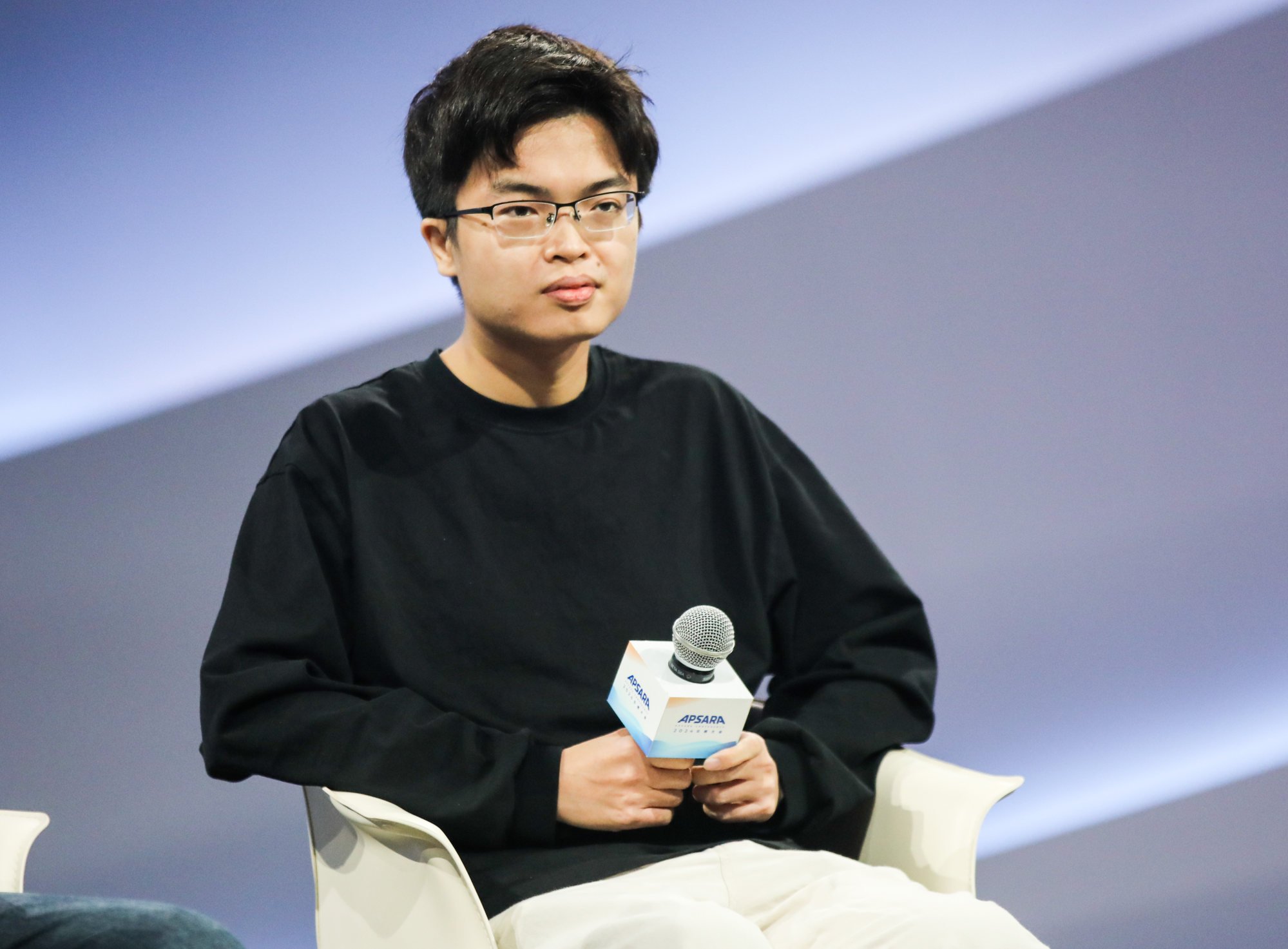
The firm’s major competitors, MiniMax and Zhipu AI, planned to raise HK$4.19 billion (US$538 million) and HK$4.35 billion, respectively, by going public in Hong Kong.
A US government report recently singled out Moonshot AI as evidence of the “growing depth” of China’s AI industry.
Beyond DeepSeek, a growing number of Chinese companies were now developing world-leading “open-weight” AI models, according to a report earlier this month by the Centre for AI Standards and Innovation at the US Department of Commerce.
The report evaluated Moonshot AI’s flagship Kimi K2 Thinking model, released in November, which outperformed OpenAI’s GPT-5 and Anthropic’s Claude Sonnet 4.5 in several benchmarks, eliciting high praise from industry experts on social media.
Kimi K2 Thinking has helped increase Moonshot AI’s application programming interface revenue fourfold in overseas markets from September to November, according to Yang’s internal letter cited in the LatePost report. The number of global paying users also grew 170 per cent month on month during that period. -- SOUTH CHINA MORNING POST



