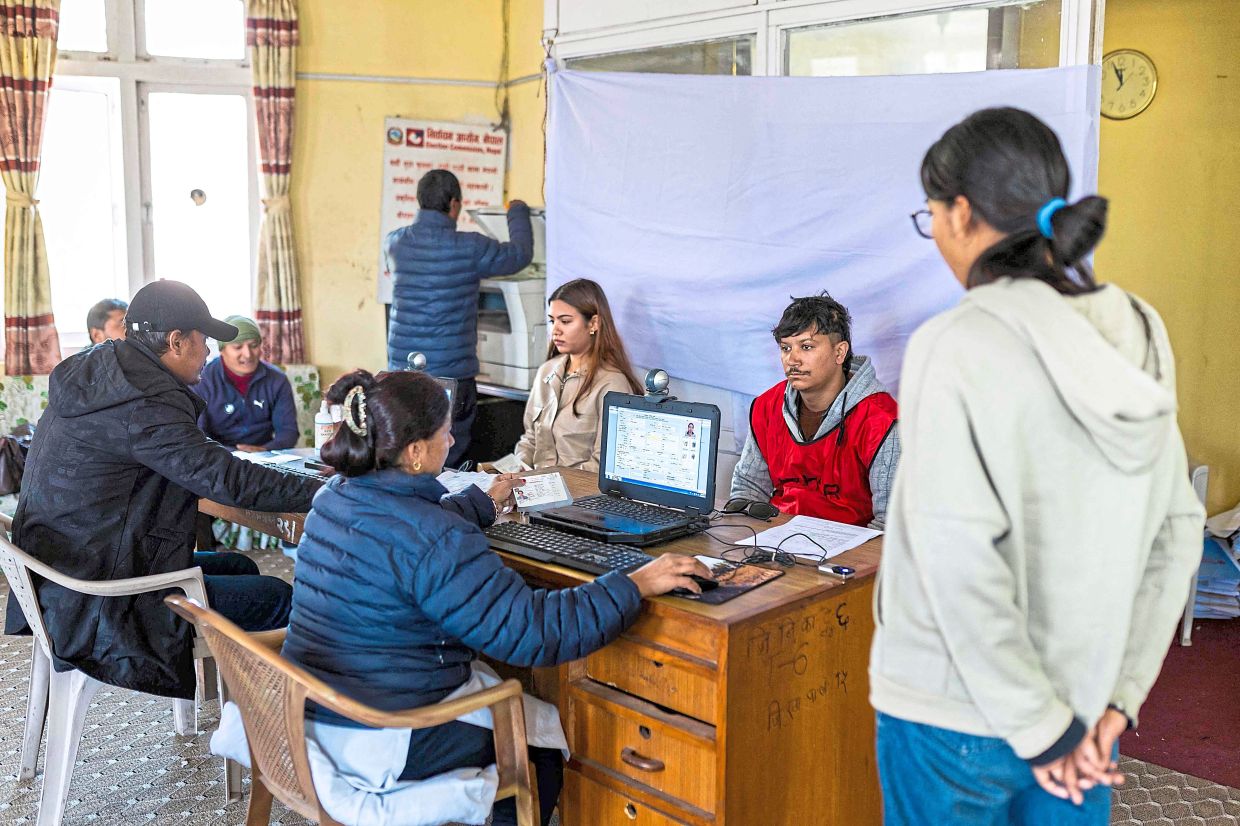
Months after a deadly uprising, Nepalis are again lining up – not to demonstrate, but to register to vote and potentially run in the election they helped bring about.
“We must have new faces in the election,” said Kishori Karki, a 25-year-old law graduate, who is not only a first-time voter but has also applied to register a new party for the March 2026 polls.
She is among the young Nepalis stepping forward as candidates in a political system long dominated by familiar, ageing faces.
Footage of Karki taking an injured demonstrator to hospital on a motorbike – on the first day of protests that toppled the government – was among the many videos that went viral.
The Sept 8-9 demonstrations, initially triggered by anger over a brief government ban on social media, were spearheaded by protesters under the loose “Gen Z” umbrella title.
Anger, however, ran deeper.
Years of economic stagnation and entrenched corruption had primed the country of 30 million people for upheaval.
Karki says she wants to keep the movement’s spirit alive.
“It was important that we bring the people who were in the movement, who want to do something, under one umbrella,” she said.
Need new thinking
At least 76 people were killed during the demonstrations.
Parliament, courts and government offices were torched, and four-time prime minister KP Sharma Oli, 73, was ousted.
Thousands of young activists then used the group-chat app Discord to nominate 73-year-old former chief justice Sushila Karki as their preferred interim leader.
Days later, she was appointed to steer the Himalayan nation until elections on March 5, 2026.
“If the very generation that led the protest which brought this government to power does not participate in the election it is now conducting, then how will the movement be truly institutionalised?” asked Uparjun Chamling.
The 25-year-old, who participated in the protest, also intends to stand in the upcoming election.
“In the spirit of the Gen Z movement, we need new faces,” he said. “But, more importantly, we need new thinking.”
Voter interest has surged, especially among young people who see the election as a critical test of whether their movement can translate into meaningful change.
“The protest sparked my interest in politics,” said 26-year-old student Sabita Biswokarma, who was among those who queued this week to register before the Nov 21 deadline.
Nearly 675,000 new voters have already registered, half of them through a new online system that young Nepalis have welcomed.
“The online registration was encouraging,” added Biswokarma. “So to some extent, Gen Z demands are being heard.”
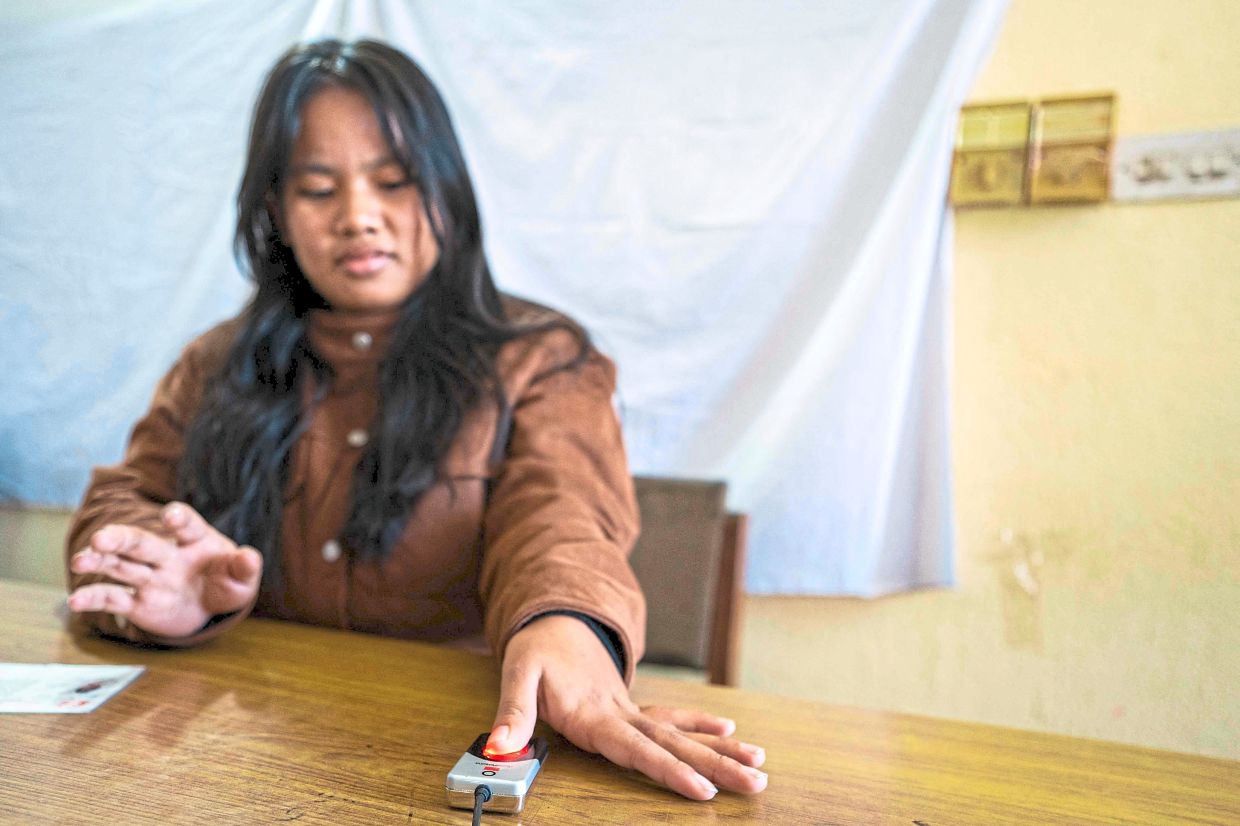
My voting rights
At the Election Commission, 123 parties have registered with 32 new parties under consideration. The party deadline to register is Nov 26.
Many of those involved in the protest have been campaigning for voter registration and say they will continue to raise awareness on the ground ahead of the polls.
However, most key Gen Z figures are yet to either join – or open – a new political party.
“People are expecting a new party from Gen Z,” said Kaushal Kafle, a journalist reporting on political developments within the Gen Z community. “But when the protest began, this degree of change was not expected – so they were not prepared.”
Kafle said that while “many new parties are coming up”, some Gen Z leaders were seeking to back candidates they support, rather than taking the political plunge directly.
“It seems that most are anxious to take that step,” Kafle said. “Their focus is to build a network across the country and provide support if there are candidates for the election.”
The path to the March elections remains fraught. Nepal’s political landscape is volatile, scarred by deep public distrust in the established parties.
But a political spark has been lit.
“I was never interested in politics,” said Sunita Tamang, 40, who also registered to vote for the first time. But after this political change, I felt that I should exercise my voting rights to choose good leadership.” — AFP