BANGKOK: For over six decades, the Thai public witnessed the tireless efforts of Her Majesty Queen Sirikit The Queen Mother to protect Thailand's people and natural heritage.
Among her most enduring projects is the conservation of sea turtles, a mission rooted in her observation that the widespread consumption of turtle eggs threatened the species with extinction.
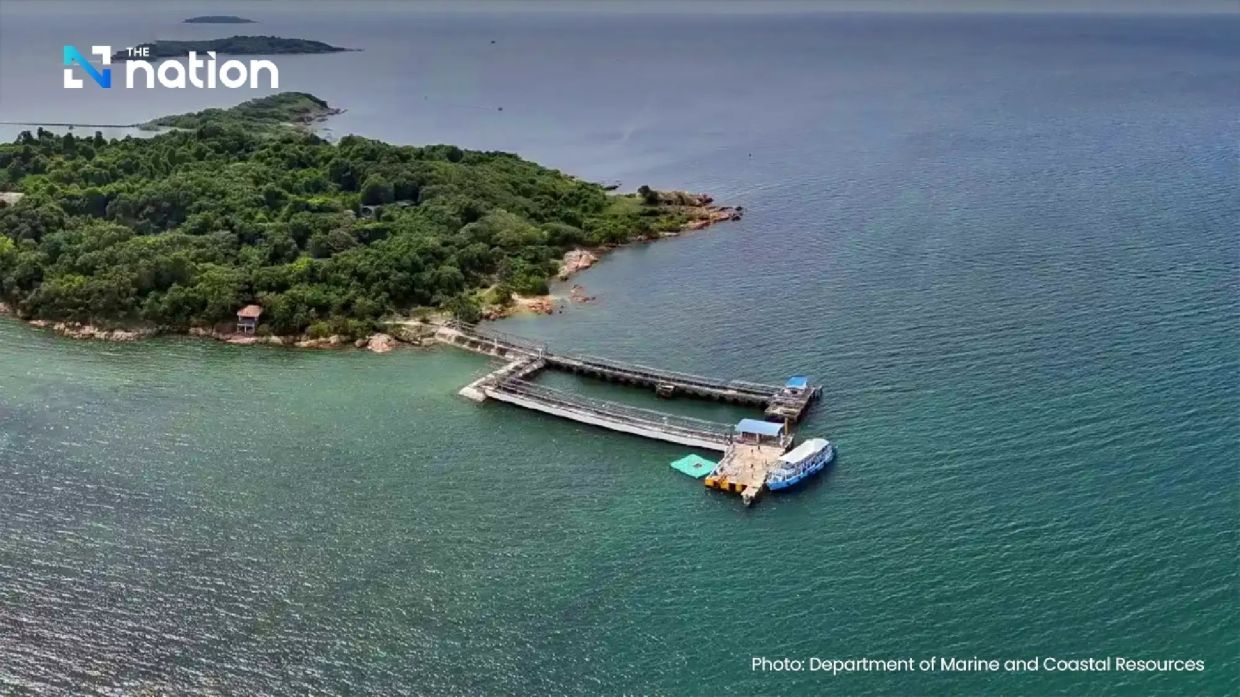
In an extraordinary act of conservation, Her Majesty commissioned the purchase of property to establish a breeding and propagation centre. Eventually, MR Kukrit Pramoj presented Koh Man Nai in Rayong Province to Her Majesty.
Concerned about the declining populations of Hawksbill, Green, Olive Ridley, and Leatherback turtles—despite legal changes by the Department of Fisheries in 1950—Her Majesty demonstrated immense compassion.
She granted her personal property on Koh Man Nai to the Department of Fisheries to be established as the "Her Majesty's Sea Turtle Conservation Project".
From royal gift to global conservation hub
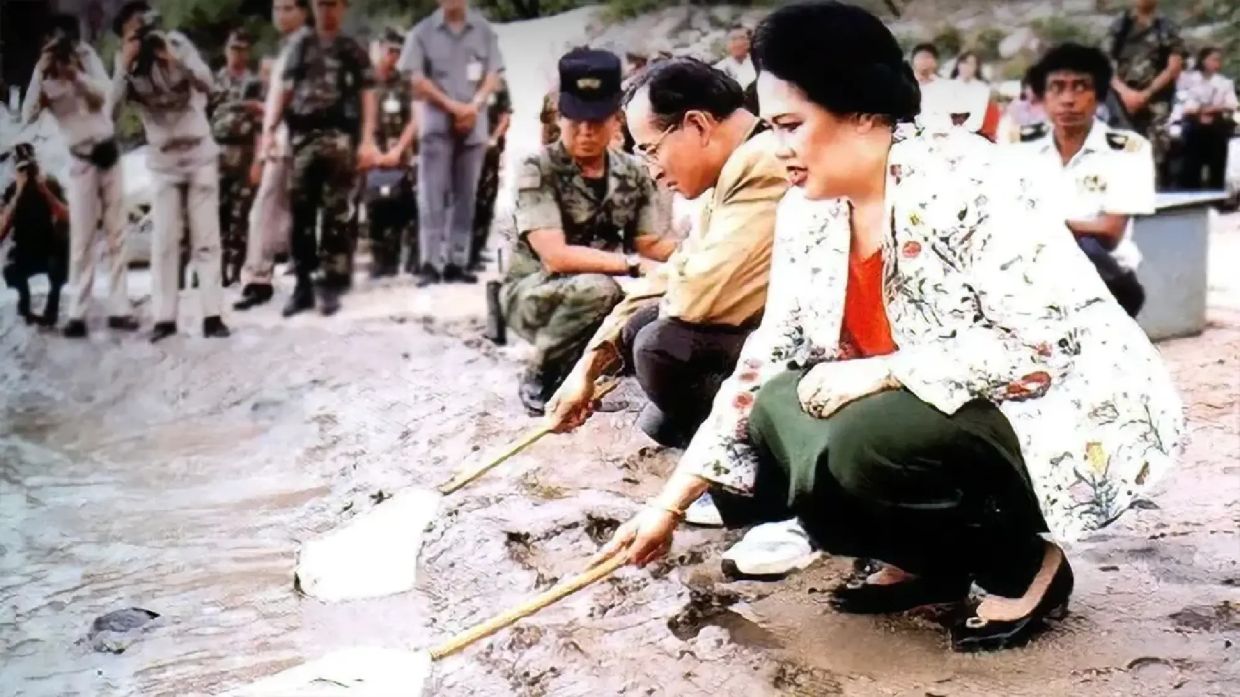
In 1979, the project began on the 137-rai (54-acre) island. Her Majesty granted 100 sea turtles and hatchlings to be released into the Gulf of Thailand at Koh Man Nai on 11 August of that year.
The Royal Thai Navy took on a crucial role, collecting eggs from nearby islands like Koh Khram for incubation and care. Hatchlings were raised for six months, tagged for monitoring, and then released. A healthy number were retained as breeding stock.
Further royal-inspired action followed:
1981: The Ministry of Commerce prohibited the export of sea turtle shells, formalising the protection.
The government subsequently amended the Fisheries Act to prohibit the possession of turtle shells and related products, with violators facing stiff fines and potential imprisonment.
The Conservation Centre at Koh Man Nai has proven highly successful, now self-sufficient in breeding by incubating wild eggs, raising the hatchlings in nursery ponds, and releasing them back into their natural habitat. This single act of generosity spurred a nationwide awakening in marine conservation.
An enduring legacy and scientific training
The project has since evolved, now known as the Eastern Gulf of Thailand Marine and Coastal Resources Research Centre.
Its mandate has expanded to include the research and breeding of other rare species, such as dugongs, dolphins, giant clams, corals, and seagrass.
The Royal Thai Navy reinforced the commitment in 1989, dedicating the surrounding islands—Koh Khram, Koh Ira, and Koh Chan—to conservation efforts.
Staff are stationed across 16 beaches to prevent poaching, collect eggs, and ensure the health of the hatchlings before release.
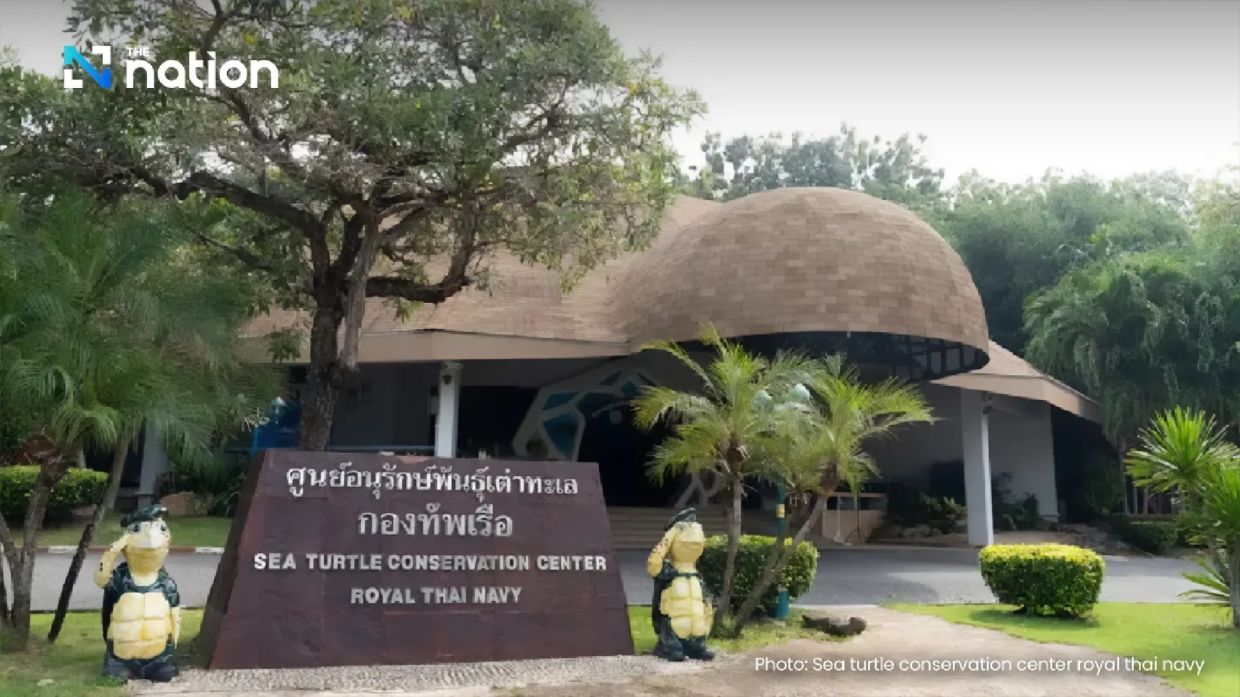
In 1994, the Royal Thai Navy Sea Turtle Conservation Centre was established as a public education hub, allowing visitors to see the incubation and nursing processes firsthand, thereby fostering a collective conservation ethic.
The island of the turtles
Asst Prof Dr Thon Thamrongnawasawat, a prominent marine scientist, has repeatedly championed the significance of this initiative.
In a 2020 post, he highlighted that Koh Man Nai, the only island in Thailand specifically dedicated to turtles, became national property in 1975.
"Over the past 45 years, tens of thousands of hatchlings have stayed here... The large 30-rai pond in the sea remains the final sanctuary for injured turtles... I do not know if any other Queen in the world has ever given an island to the turtles. I couldn't find one... Koh Man Nai remains the Island of the Turtles, a testament to the love Her Majesty bestowed upon the sea."
In a subsequent tribute, Dr Thon reaffirmed the profound impact: "The hatchlings of that era have become the grandmother turtles of this era. The student interns have become professors in marine science... She granted her private island to the sea."
Today, Koh Man Nai remains a major destination where tourists can visit and witness the ongoing Royal Initiative: a sanctuary for sea turtles, a research site for marine science, and an enduring symbol of a Queen’s love for the natural world. - The Nation/ANN