

Pay boost despite outrage


The nation has nearly doubled a key allowance for its lawmakers, an official said, one month after cancelling some of the benefits given to parliamentarians in an effort to assuage public anger following a series of violent demonstrations.

In August, thousands of students, rights groups, and other civilians joined protests against the government’s spending priorities, including pay rises for lawmakers. The demonstrations later spiralled into riots after a motorcycle taxi driver was killed during a police operation.
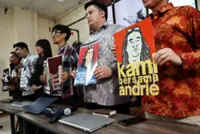
The violence, which spread to 32 of Indonesia’s 38 provinces, resulted in 10 deaths and at least 5,000 arrests, making it the deadliest outbreak of unrest in the archipelago for over two decades.

The increase in the “recess allowance” for lawmakers – which is given to parliamentarians to support their work in their constituencies while parliament is not in session – came into effect on Oct 3, at the start of the latest break, Deputy Speaker Sufmi Dasco Ahmad said yesterday.

Each lawmaker will now get 700 million rupiah (RM177,764) for each recess, Dasco said, up from 400 million rupiah (RM101,580) previously.

Indonesia’s 580 parliamentarians take about five breaks a year.

The allowance, which Dasco said had been approved by the finance ministry in May, is earmarked for visits and activities in electoral districts.

The August protests were sparked by anger at the perks available to politicians, with each lawmaker also entitled to an additional 100 million rupiah (RM25,394) per month in housing and other allowances.

Following the unrest, some of the benefits were removed, cutting the total to 65.5 million rupiah (RM16,633).

While Indo­nesia is South-East Asia’s biggest economy and a member of the G20, the World Bank says tens of millions of Indonesians still live in poverty.

Dasco defended the increase, saying the last allowance was based on the 2019-2024 period and didn’t take into account the subsequent rises in staple food prices and transportation costs.

“So this is not a raise, it’s a policy decided by the house’s secretariat after reviewing various kinds of aspects,” Dasco said, adding the figure was not proposed by the house but the secretariat.

Dasco, who is also a senior politician in President Prabowo Subianto’s Gerindra party, said parliament was developing a digital reporting mechanism to ensure transparency, which will be open to the public.

“It’s like Indonesians have been pranked,” said Lucius Karus from Formappi, a non-profit parliamentary watchdog. “We were satisfied by the abolition of the housing allowance, but, in fact, another fantastic allowance has appeared.” — Reuters

Follow us on our official WhatsApp channel for breaking news alerts and key updates!

Next In Aseanplus News

US provides US$4mil for demining in Cambodia, pledges to clear UXOs from homes of displaced persons
Foreign affairs a key, regular task in new era, says Vietnamese foreign minister
Why Indonesian K-pop fans are boycotting a Korean bank
Philippines' Tropical Storm Basyang' death toll rises to 12, affected families now 132,000
Trump’s South America threats fizzle as China’s trade surges, powered by Peru port
Heavy snow grounds flights at Jeju Airport, South Korea stranding about 11,000 passengers
China women pay for ‘companions’ in role-playing games, spark love commercialisation debate
Former Thai PM Paetongtarn casts ballot, to watch Pheu Thai results Sunday (Feb 8) evening
Fatal accident in Singapore's Chinatown: Driver arrested after six-year-old girl died
Knife-wielding man chases uni student at Melaka mall

Others Also Read