




Shut out of China’s massive soybean market, the United States is pressing countries across Africa and Asia to step up purchases of American soybeans, as President Donald Trump’s trade team seeks new markets, while tensions over tariffs ripple through global trade.
“We’re calling up all our soybean customers around the world as part of our trade negotiations,” Kevin Hassett, director of the National Economic Council at the White House, said in a CNBC interview on Monday. He added the Trump administration was “also getting ready to have really strong policies to support our farmers”.
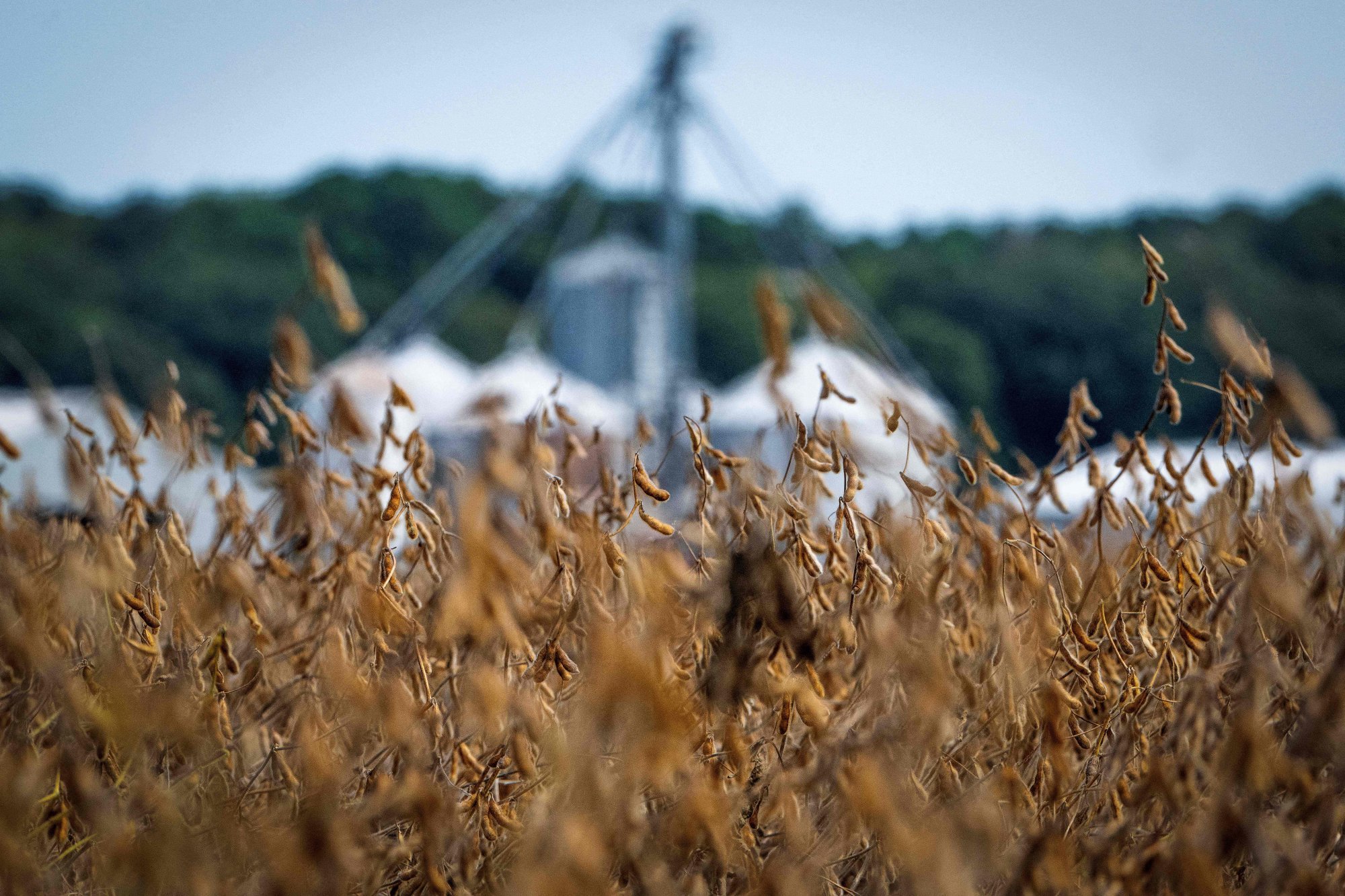
With silos full and exports drying up, Beijing – a major buyer of US soybeans – has not purchased any this season, diverting orders to Brazil and Argentina instead. In retaliation for Trump’s tariffs on Chinese goods, China imposed a 25 per cent levy on American soybeans in April, further eroding their price competitiveness.
Beyond Beijing, top importers of US soybeans include Mexico, the European Union, Japan and Indonesia. Yet Trump’s team is pushing into untested markets such as India, already burdened by tariffs, as American farmers hunt for buyers from Vietnam to Nigeria.
India, which is currently slapped with 50 per cent tariffs, including 25 per cent related to its purchases of Russian oil, is another possible buyer.
On Monday, Divya Kumar Gulati, chairman of India’s Compound Livestock Feed Manufacturers Association (CLFMA), said a CLFMA delegation had recently visited farms in the United States and found that American farmers were “losing money badly”.
He added that the ongoing trade negotiations could open the door to soybean imports from the US for use in animal feed.
“The US farmers are losing money, a lot of money, because China has stopped buying. So they are in a desperate situation at the moment; they need to sell somewhere,” he said.
Last month, Kim Reynolds, the Republican governor of Iowa, a US state heavily reliant on soybean farming, travelled to India with a delegation that included Iowa Secretary of Agriculture Mike Naig, along with agricultural and business leaders from the state.
The eight-day visit stretching from the north to the south of the South Asian giant is aimed at deepening partnerships to help ramp up sales of American soybeans, since China turned its back on US farmers. Illinois is the top soybean-growing state, but Iowa, Nebraska and Minnesota are also large producers.
As New Delhi has demanded the removal of Russian oil levies, Trump’s trade team has wanted the full opening of India’s agriculture market to American products.
With Indian farmers being a key voter bank, the demand is politically sensitive for India’s Prime Minister Narendra Modi and his party Bharatiya Janata Party.
Recently, another South Asian country cranked up its imports of US soybeans to cheer Trump. Since the beginning of 2025, Bangladesh, a neighbour of India, has imported over 400,000 MT of soybeans from the US.
Similarly, in June, Vietnam signed a Memorandum of Understanding with the US Soybean Export Council, vowing to buy more than $1.4 billion in US agricultural products, including soybeans, corn and wheat.
In Africa, a delegation from the American Soybean Association visited Nigeria in August to promote the use of soybean in fish feed and reaffirm the West African country as a key agricultural trade partner.
Nigeria is a member of the African Growth and Opportunity Act, a free-trade pact that was established by former president Bill Clinton in 2000 with nearly three dozen African countries. AGOA expired last week, without any word from the Trump administration on its future.
Canada has been a consistent but relatively small buyer of US soybeans. But when Prime Minister Mark Carney visits the White House on Tuesday, Trump is likely to push for more. Carney, meanwhile, comes to Washington under growing pressure at home to win relief on 50 per cent steel and aluminium levies.
According to Karoline Leavitt, the White House press secretary, trade will be on top of the agenda when the two leaders meet.
But that’s unlikely to match China, which has accounted for more than 40 per cent of soybean exports in the last five years, as per US Department of Agriculture data.
Last week, Trump said he would discuss the issue with President Xi Jinping later this month when the pair meet on the sidelines of the Asia-Pacific Economic Cooperation in South Korea. Trump has slammed Beijing for what he called a negotiating tactic, pledging to help American farmers with the money that the US is collecting through tariffs on all major trading partners, including China.
The Trump administration is also weighing a multi-billion-dollar bailout package to support farmers caught in the crossfire.
China’s actions are widely seen as retaliation for Washington’s refusal to lift 20 per cent tariffs on fentanyl-related imports from China. Those levies, originally imposed to pressure Beijing to crack down on the flow of the deadly synthetic drug, have now become a stumbling block in broader trade talks between the world’s two largest economies.
In his first showdown with China, Trump poured over US$22 billion into farm aid in 2019 and nearly doubled that to US$46 billion the following year, part of which was tied to Covid relief.
Scott Kennedy of the Center for Strategic and International Studies, a think tank in Washington, on Monday, said during a public event that China “has a real incentive to buy soybeans from around the world. There’s no reason why they shouldn’t consume American ones”.
Calling the tariff truce between the US and China a “ceasefire”, he added that “it’s not particularly good for the US economy to have 55 per cent tariffs on China, so I can see ways to need to reduce the tariff levels again”.
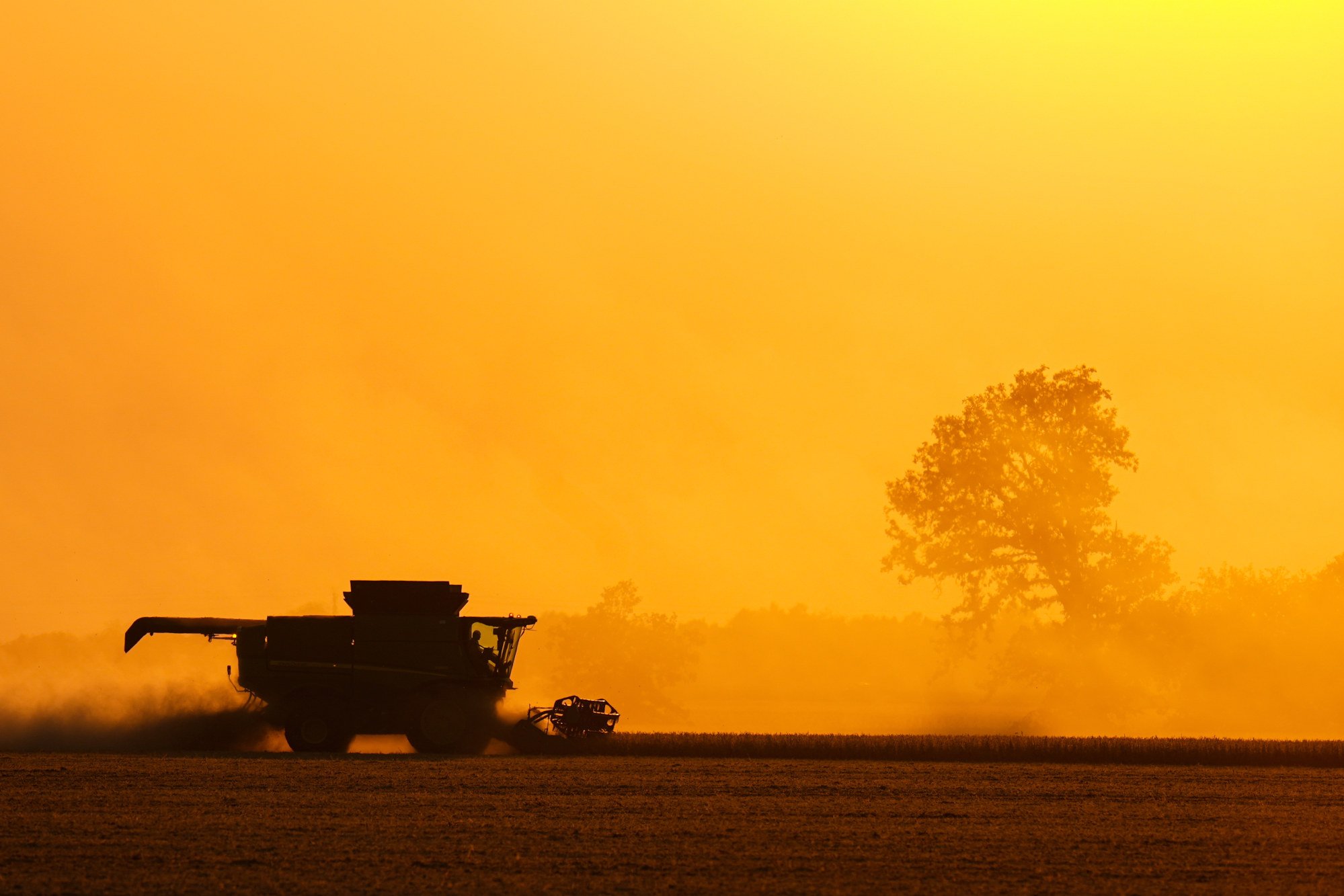
Meanwhile, American farm lobbies warn that if the stand-off drags on, the bailout may only be a short-term lifeline for a sector that has already weathered years of tariff wars.
“Government payments and programmes never make farmers’ bottom line whole. It will often serve as a band aid on a wound”, Caleb Ragland, president of the American Soybean Association, told CNN last week.
In a statement issued last month, Ragland called on the Trump administration to “prioritise securing an immediate deal on soybeans with China”.
“US farmers cannot wait and hope any longer”, he said, adding, “the farm economy is suffering while our competitors supplant the United States in the biggest soybean import market in the world.”


