



'Unspeakable horror': the attacks on Hiroshima and Nagasaki, 80 years after and it still hurts


This combination image of two file photos dated 1945 shows a view of the city of Hiroshima before (L) and after (R) the first atomic bomb was dropped by a US Air Force B-29 aircraft on the city on August 6, 1945. The US nuclear bombing of Hiroshima on August 6, 1945, left around 140,000 people dead. It was followed days later by the bombing of Nagasaki on August 9 that killed around 74,000 people. The twin bombings dealt the final blow to imperial Japan, which surrendered on August 15, 1945, bringing an end to World War II. -- Photo by AFP

TOKYO (AFP): Japan this week marks 80 years since the United States dropped atomic bombs on Hiroshima and Nagasaki in World War II.

The first on August 6, 1945 killed around 140,000 people in Hiroshima and three days later another 74,000 perished in Nagasaki.

Here are some facts about the devastating attacks:

- The bombs -

The first atomic bomb was dropped on the western city of Hiroshima by the US bomber Enola Gay, nicknamed "Little Boy".

It detonated about 600 metres from the ground, with a force equivalent to 15,000 tonnes of TNT.

Tens of thousands died instantly, while others succumbed to injuries or illness in the weeks, months and years that followed.

Three days later the US dropped a second bomb, dubbed "Fat Man", on the southern city of Nagasaki.

The attacks remain the only time atomic bombs have been used in wartime.
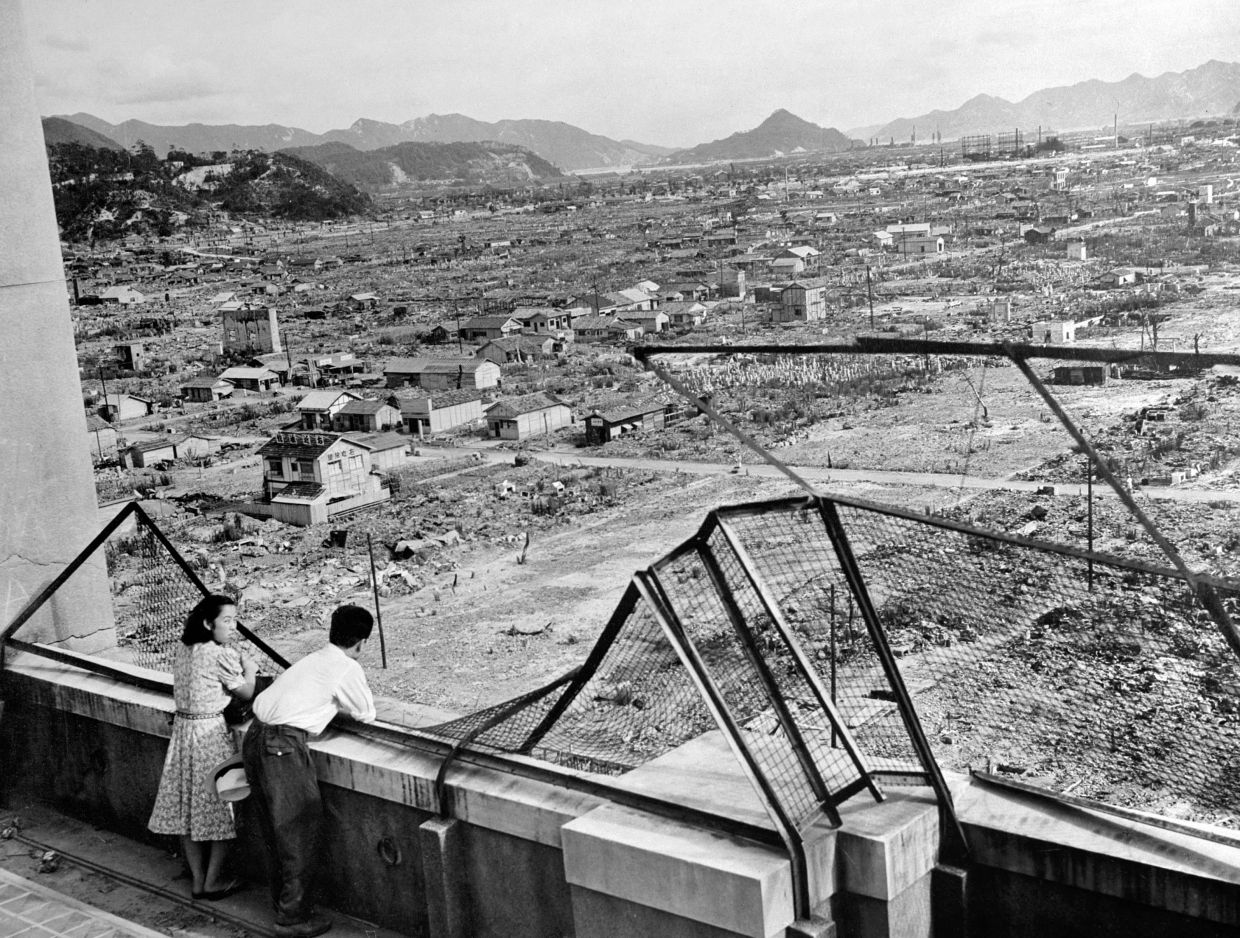
This photo, taken in 1948, shows a view of the devastated city of Hiroshima in Japan, three years after the first atomic bomb was dropped on a population. The US nuclear bombing of Hiroshima on August 6, 1945, left around 140,000 people dead. It was followed days later by the bombing of Nagasaki on August 9 that killed around 74,000 people. The twin bombings dealt the final blow to imperial Japan, which surrendered on August 15, 1945, bringing an end to World War II. -- Photo by AFPThis photo, taken in 1948, shows a view of the devastated city of Hiroshima in Japan, three years after the first atomic bomb was dropped on a population. The US nuclear bombing of Hiroshima on August 6, 1945, left around 140,000 people dead. It was followed days later by the bombing of Nagasaki on August 9 that killed around 74,000 people. The twin bombings dealt the final blow to imperial Japan, which surrendered on August 15, 1945, bringing an end to World War II. -- Photo by AFP

- The attacks -

In Hiroshima, the first thing people noticed was an "intense ball of fire", according to the International Committee of the Red Cross (ICRC).

Temperatures near the blast reached an estimated 7,000 degrees Celsius (12,632 degrees Fahrenheit), which incinerated everything within a radius of about three kilometres (five miles).

"I remember the charred bodies of little children lying around the hypocentre area like black rocks," Koichi Wada, a witness who was 18 at the time of the Nagasaki attack, has said of the bombing.

ICRC experts say there were cases of temporary or permanent blindness due to the intense flash of light, and subsequent related damage such as cataracts.

A whirlwind of heat generated also ignited thousands of fires that ravaged large parts of the mostly wooden city. A firestorm that consumed all available oxygen caused more deaths by suffocation.

It has been estimated that burn- and fire-related casualties accounted for more than half of the immediate deaths in Hiroshima.

The explosion generated an enormous shock wave that blew people through the air. Others were crushed to death inside collapsed buildings or injured or killed by flying debris.
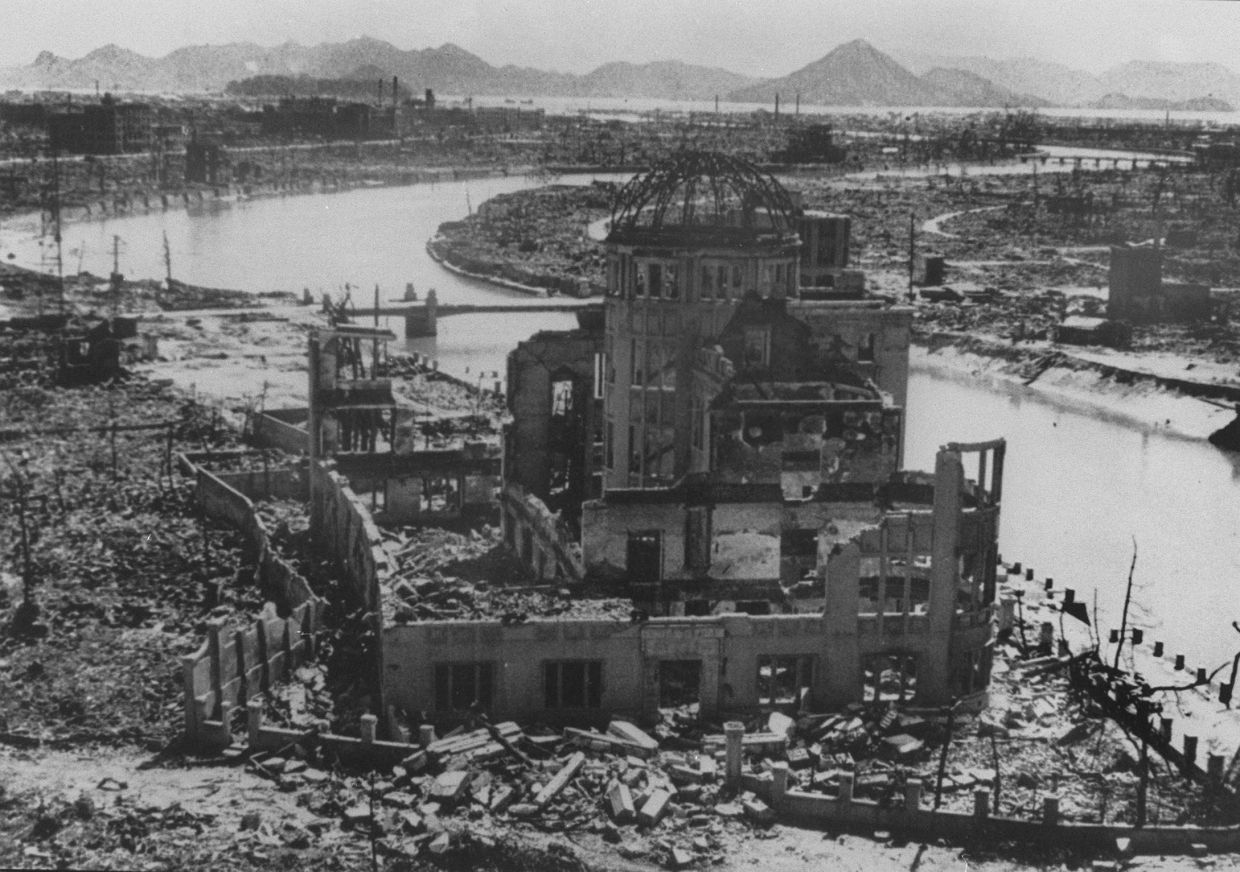
A photo dated September 1945 of the remains of the Prefectural Industry Promotion Building after the bombing of Hiroshima, which was later preserved as a monument. The US nuclear bombing of Hiroshima on August 6, 1945, left around 140,000 people dead. It was followed days later by the bombing of Nagasaki on August 9 that killed around 74,000 people. The twin bombings dealt the final blow to imperial Japan, which surrendered on August 15, 1945, bringing an end to World War II. -- Photo by AFPA photo dated September 1945 of the remains of the Prefectural Industry Promotion Building after the bombing of Hiroshima, which was later preserved as a monument. The US nuclear bombing of Hiroshima on August 6, 1945, left around 140,000 people dead. It was followed days later by the bombing of Nagasaki on August 9 that killed around 74,000 people. The twin bombings dealt the final blow to imperial Japan, which surrendered on August 15, 1945, bringing an end to World War II. -- Photo by AFP

- Radiation effects -

Radiation sickness was reported in the aftermath by many who survived the initial blasts and firestorms.

Acute symptoms included vomiting, headaches, nausea, diarrhoea, haemorrhaging and hair loss, with radiation sickness fatal for many within a few weeks or months.

Survivors, known as "hibakusha", also experienced longer-term effects including elevated risks of thyroid cancer and leukaemia, and both Hiroshima and Nagasaki have seen elevated cancer rates.

Of 50,000 radiation victims from both cities studied by the Japanese-US Radiation Effects Research Foundation, about 100 died of leukaemia and 850 suffered from radiation-induced cancers.

The group found no evidence however of a "significant increase" in serious birth defects among survivors' children.
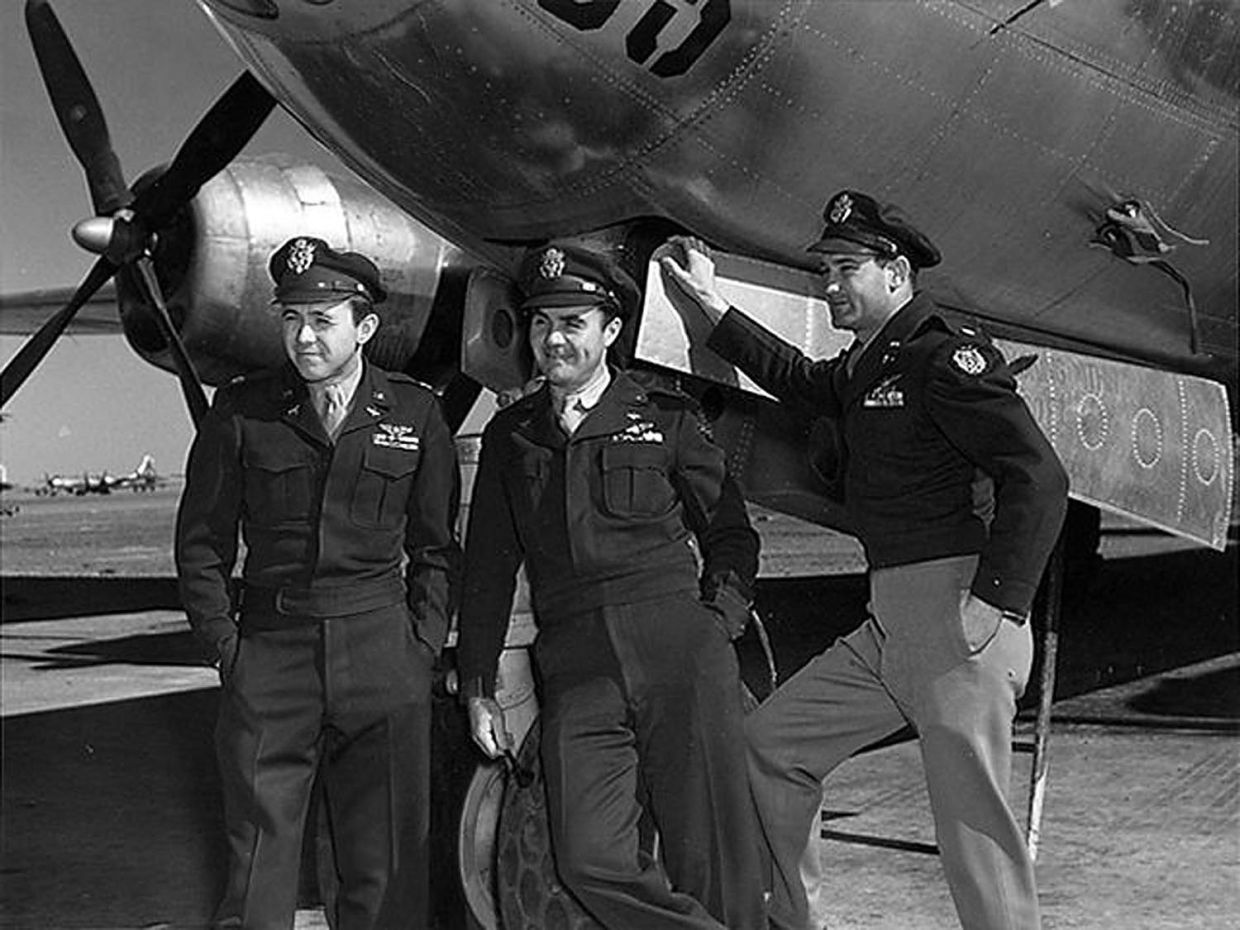
This file photo from the US Air Force, taken in August 1945, shows Maj. Theodore Van Kirk (L), navigator, Col. Paul Tibbets (C), pilot, and Maj. Thomas Ferebee, bombardier, after dropping the first atomic bomb on Japan. The US nuclear bombing of Hiroshima on August 6, 1945, left around 140,000 people dead. It was followed days later by the bombing of Nagasaki on August 9 that killed around 74,000 people. The twin bombings dealt the final blow to imperial Japan, which surrendered on August 15, 1945, bringing an end to World War II. - Photo: AFPThis file photo from the US Air Force, taken in August 1945, shows Maj. Theodore Van Kirk (L), navigator, Col. Paul Tibbets (C), pilot, and Maj. Thomas Ferebee, bombardier, after dropping the first atomic bomb on Japan. The US nuclear bombing of Hiroshima on August 6, 1945, left around 140,000 people dead. It was followed days later by the bombing of Nagasaki on August 9 that killed around 74,000 people. The twin bombings dealt the final blow to imperial Japan, which surrendered on August 15, 1945, bringing an end to World War II. - Photo: AFP

- The aftermath -

The twin bombings dealt the final blow to imperial Japan, which surrendered on August 15, 1945, bringing an end to World War II.

Historians have debated whether the bombings ultimately saved lives by bringing an end to the conflict and averting a ground invasion.

But those calculations meant little to survivors, many of whom battled decades of physical and psychological trauma, as well as the stigma that sometimes came with being a hibakusha.

Despite their suffering, many survivors were shunned -- in particular for marriage -- because of prejudice over radiation exposure.

Survivors and their supporters have become some of the loudest and most powerful voices opposing nuclear weapons, including meeting world leaders to press their case.

Last year, the Japanese anti-nuclear group Nihon Hidankyo, a grassroots movement of hibakusha, won the Nobel Peace Prize.

In 2019, Pope Francis met several hibakusha in Hiroshima and Nagasaki, decrying the "unspeakable horror" and calling for the abolition of nuclear weapons.

In 2016, Barack Obama became the first sitting US president to visit Hiroshima. He offered no apology for the attack, but embraced survivors and called for a world free of nuclear weapons.

Russia is one of around 100 countries expected to attend this year's memorial in Nagasaki, the first time Moscow has been invited to commemorations in the city since the start of the war with Ukraine. - AFP



Follow us on our official WhatsApp channel for breaking news alerts and key updates!
Hiroshima , Nagasaki , Bombing , 80 Years , Anniversary

Next In Aseanplus News

Powerful 7.6-magnitude earthquake strikes Japan's northeast region
Asean News Headlines at 10pm on Monday (Dec 8, 2025)
Residents seen fleeing from their homes as Thailand hits Cambodia border area with airstrikes again
The sun releases strong solar flare, produce strong plasma ejection toward Earth
Japan recalls much-loved Pocky, other Glico chocolate products over smell; six million units of 20 chocolate products affected
India's Tata signs up Intel as major customer for $14 billion chip foray
Thailand urges Myanmar junta to allow transition after vote
377 schools in Cambodia closed due to the border conflict with Thailand
Global leaders pledge US$1.9bil to end polio, protect children worldwide
Actor Jet Li rebuts rumours of heart transplant or blood transfusion to maintain youth

Others Also Read